
Last updated November 4, 2026
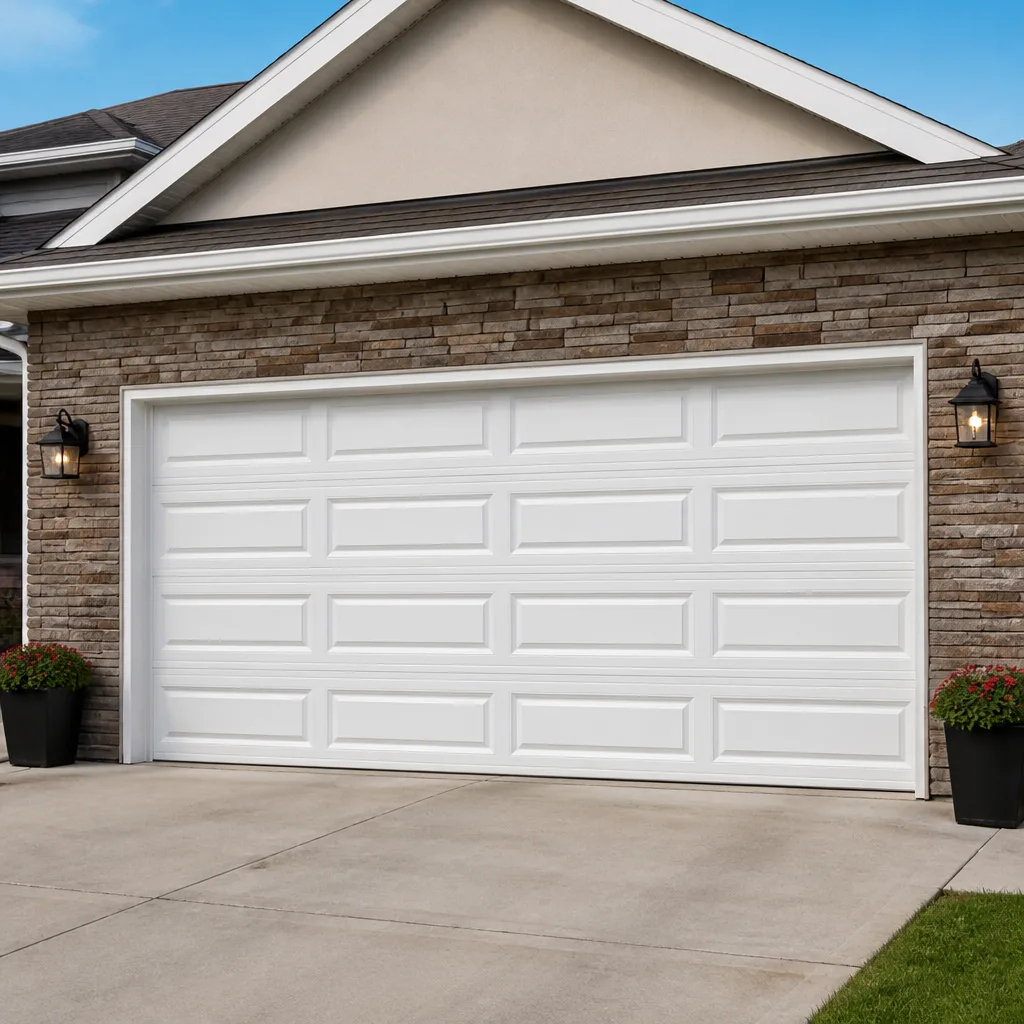 Raised-panel steel
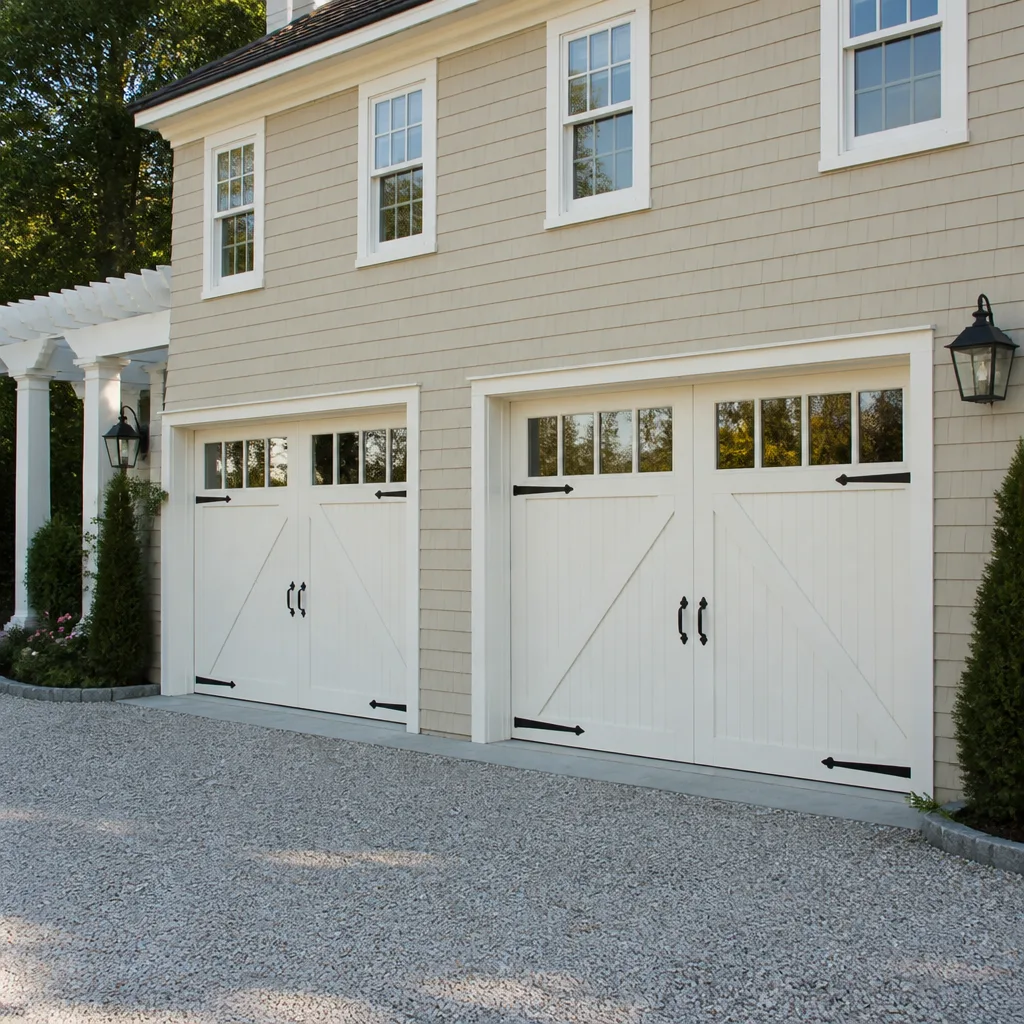 Carriage house
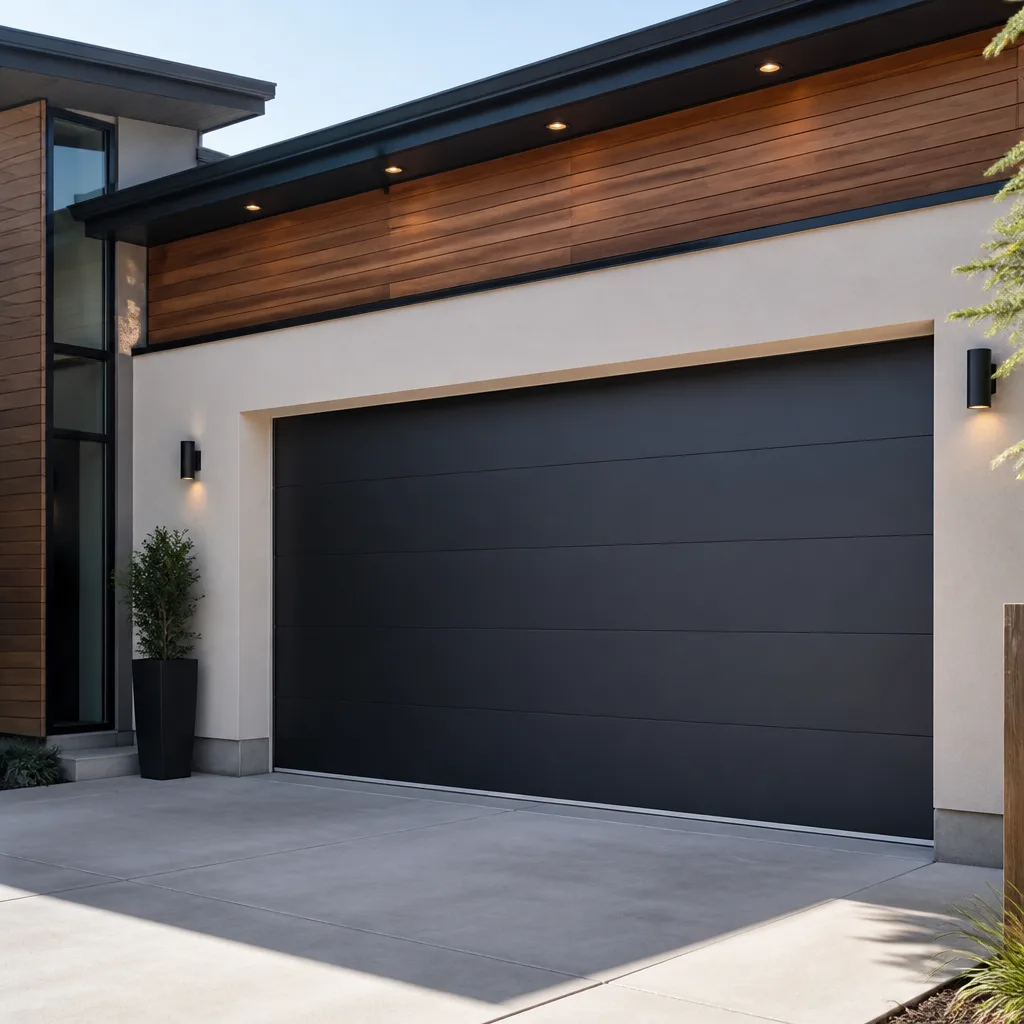 Modern flush
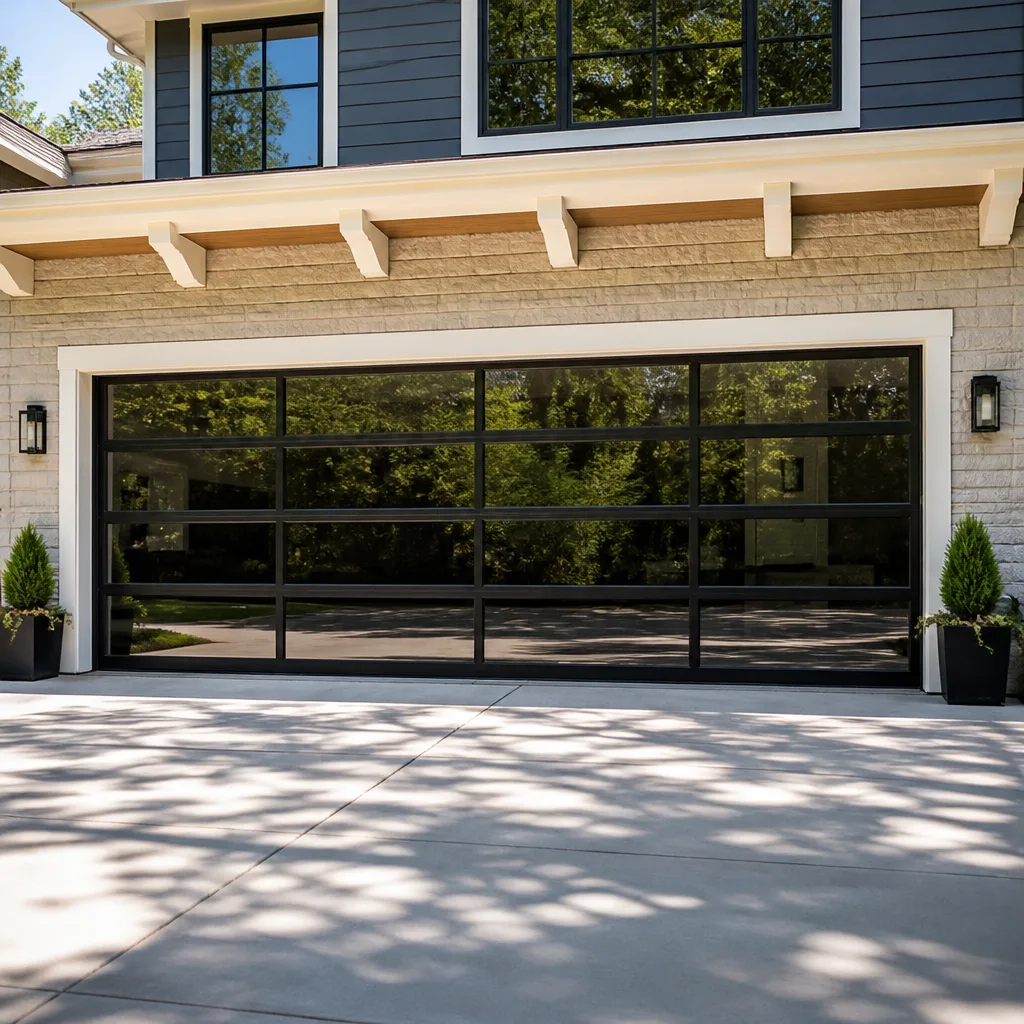 Full-view glass
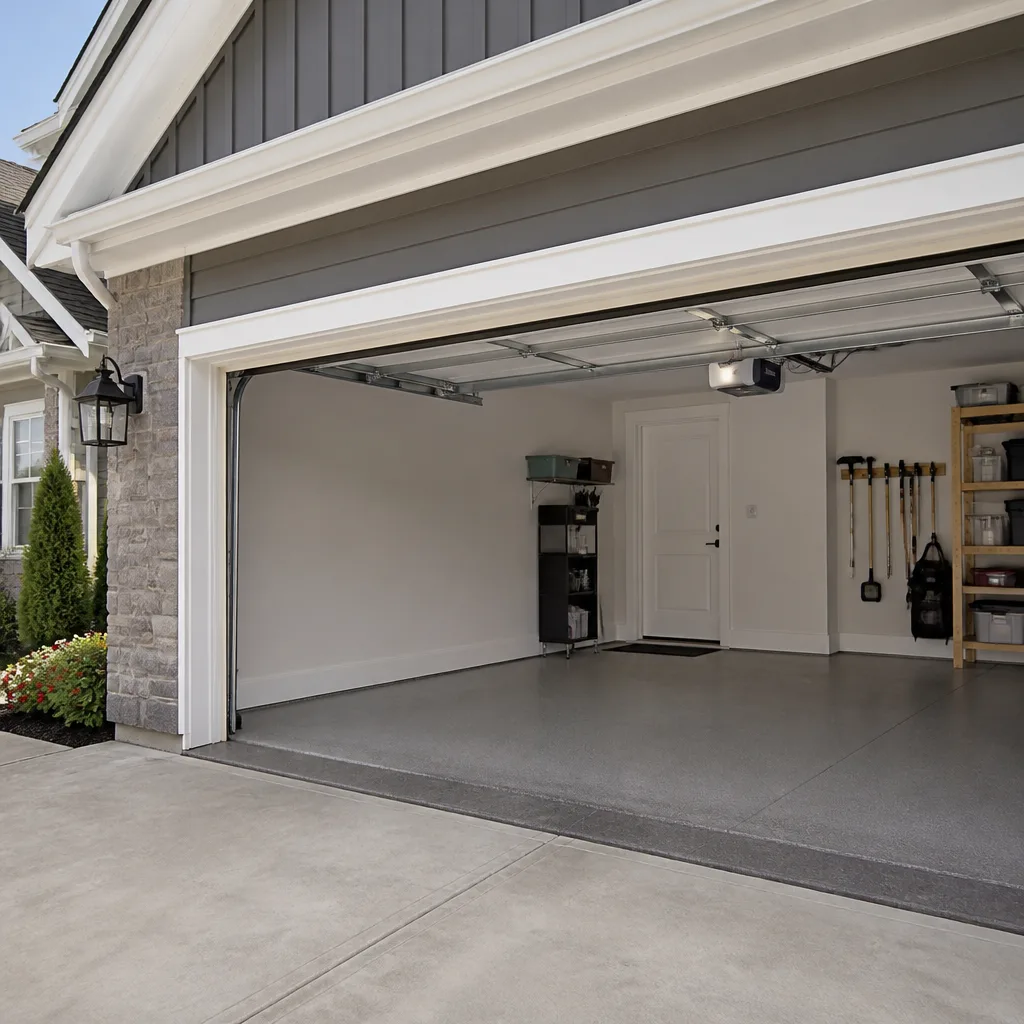 LiftMaster openers
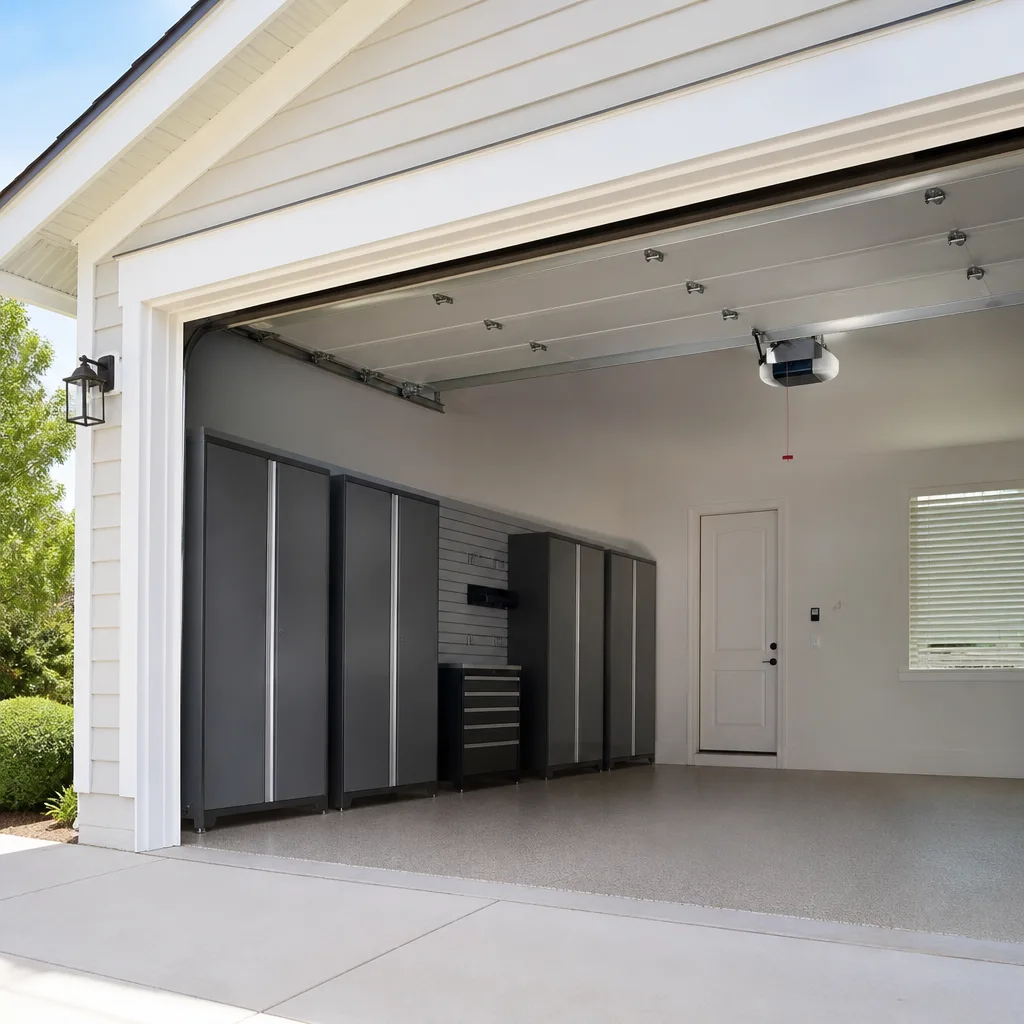 Chamberlain openers
Full 25-point door and opener safety check with every visit - springs, cables, rollers, tracks, and your LiftMaster or Chamberlain opener included
You get a price before we start. It does not change when the truck arrives.
Get your free estimateGarage Door Repair Maintenance Checklist for Whittier Homeowners
Nine out of ten broken springs we replace in Whittier show signs of rust or coil fatigue that a 10-minute monthly check would have caught six months earlier. The truth is, most garage door failures in this city are not sudden events. They’re slow-moving breakdowns that follow predictable patterns, and a maintenance checklist tuned to Whittier’s actual climate catches them while they’re still cheap to fix. This guide gives you the exact checks we perform on our own service calls, organized by how often you should do them, so you can spot trouble before it strands your car in the driveway.
Styles & brands we work with
- Raised-panel steel
- Carriage house
- Modern flush
- Full-view glass
- LiftMaster openers
- Chamberlain openers
Quick Answer
A garage door maintenance checklist for Whittier homeowners should include monthly visual checks of springs, cables, and rollers, lubrication of key bearing points every three months, and an annual balance test plus safety sensor alignment check. Most of this takes under 15 minutes per month and catches the corrosion and wear patterns that Whittier’s temperature swings make common. For anything beyond lubrication and visual checks, a trained technician should take over, especially on springs and cables.
Table of Contents
- The Monthly Whittier Garage Door Checklist
- Quarterly Lubrication: The Points Most Homeowners Skip
- Annual Balance Test: What Deviation Actually Means
- Safety Sensor Alignment and Whittier’s Ground Shift
- Why Whittier’s Temperature Swings Fray Cables
- Brand-Specific Notes for Whittier Doors
- Common Mistakes to Avoid
- When to Call a Professional
- Frequently Asked Questions
- The Bottom Line
The Monthly Whittier Garage Door Checklist
Set aside ten minutes once a month. That’s the whole commitment for the check that prevents most of the repair calls we get in Whittier. The goal is not to fix anything during this check. The goal is to see a problem while it’s still small enough that a repair is simple and affordable.
- Watch the door open and close one full cycle. Stand to the side and listen. A smooth door makes a low, even sound. Grinding, scraping, or a jerking motion means something is wearing. In our experience, this is where most homeowners first notice a problem, months before it turns into a breakdown.
- Look at both extension springs or the torsion spring above the door opening. You’re checking for rust, gaps in the coil, or a spring that looks stretched. A light coating of surface rust on an older spring is common in Whittier, but flaking rust or a visible gap in the coil means the spring is nearing the end of its life.
- Inspect the cables on both sides of the door. Run your eyes along the full length of each cable. You’re looking for broken strands, which show up as tiny wire ends poking outward, or flat spots where the cable has rubbed against something. Do not touch the cables. They’re under tension and a broken strand can cut skin.
- Check the rollers. Nylon rollers should look smooth. Steel rollers may show surface wear. If a roller is cracked, chipped, or wobbling as the door moves, make a note. A worn roller puts sideways load on the track, and that accelerates wear on everything else.
- Test the auto-reverse function. Place a piece of lumber flat on the floor under the door’s path and close the door. It should reverse within two seconds of touching the wood. This is a federal safety requirement and the most important single test on the list, because a door that fails it can cause serious injury.
These five steps are the entire monthly list. If you find something that looks wrong, that’s the moment to call for garage door repair rather than waiting. A frayed cable or rusted spring rarely gets better on its own, and in Whittier’s climate it usually gets worse quickly.
Quarterly Lubrication: The Points Most Homeowners Skip
Lubrication is the cheapest insurance you can buy for a garage door, and it’s also the step people do incorrectly or skip the most. Every three months, apply a silicone-based or lithium-based garage door lubricant to the moving metal parts. Avoid WD-40. It displaces moisture but does not leave a durable lubricating film, and on garage door parts it actually attracts dust after the solvent evaporates.
The common advice is to spray the rollers and hinges. That’s good, but it’s incomplete. The points that most homeowners in Whittier skip, and that wear fastest in our climate, are these:
- Bottom bracket bearings. The bottom roller brackets carry the full weight of the door at its lowest point. They sit close to the ground, where they collect dust and moisture. A dry bottom bracket bearing grinds the roller axle over time, and that’s a failure we see repeatedly in this zip code.
- Torsion bar shaft ends. At each end of the torsion tube, where the shaft enters the bearing plate, friction builds. A dry bearing plate makes the spring system work harder and can eventually bind. One or two short sprays per side is enough.
- Hinge pivot points. The hinge between panels flexes constantly. Lubricate the pivot pin, not just the roller.
- Lock mechanism. If your door has a manual lock, a dry lock is a stuck lock when you least want it.
Product to use: Any silicone spray or white lithium grease labeled for garage doors works. We avoid heavy greases on rollers because they collect dust that grinds into the bearing. Apply lightly, wipe away the excess, and run the door once so the lubricant distributes.
Annual Balance Test: What Deviation Actually Means
Once a year, test the door’s balance. Here’s how, and why it matters more than most guides tell you.
Start with the door closed. Pull the red emergency release handle so the door operates manually. Then lift the door to waist height and let go. A properly balanced door stays put. A door that’s in good shape may drift slightly, no more than an inch or two. If the door drops more than about three inches, that’s the signal that the springs are losing tension and the opener is now carrying more weight than it was designed for. That extra load is what burns out opener motors and gears.
If the door shoots upward on its own, the opposite problem exists: the springs are too strong for the current door weight. That’s less common but happens after panels are replaced or insulation is added.
One more check while the door is in manual mode: lift it all the way up and let it down slowly. It should move smoothly through the full travel. Any point where it catches, tilts, or makes a scraping sound points to a track misalignment or a worn roller.
Springs are the one part of this system we never recommend homeowners adjust themselves. The tension in a torsion spring is enough to cause severe injury, and there is no safe way to release it without the right tools and training. If your balance test fails, call a professional. That single call is far cheaper than an emergency room visit.
Safety Sensor Alignment and Whittier’s Ground Shift
Whittier sits on soil that responds noticeably to moisture changes through the year. During dry months the ground contracts slightly, and after rain it expands. The result for garage doors is that the concrete approach and the garage slab can shift by fractions of an inch. That’s often invisible to the eye, but it’s enough to knock the two safety sensors, mounted low on each side of the door opening, out of perfect alignment.
When a sensor drifts out of alignment, the door refuses to close. The operator blinks a code, and the homeowner assumes something is broken. Usually, it’s just alignment drift.
Check it without tools:
- Look at the two sensors, one on each track rail about six inches off the ground.
- Each sensor has a small light. Most modern units show a solid green or solid amber when aligned, and a blinking light when not.
- If one is blinking, the beam is not hitting the receiver on the opposite side.
- Gently adjust the sensor by hand, in tiny increments, until the light turns solid.
If you can’t get a solid light after a minute of adjustment, or if the sensors themselves are cracked or loose in their brackets, that’s a call for garage door opener repair. Misalignment is simple, but a damaged sensor needs replacement and a wiring check.
Why Whittier’s Temperature Swings Fray Cables
Whittier’s climate is mild by national standards, but it’s the temperature range between summer highs and winter nights that creates a specific wear pattern on garage door cables. During the day, the metal cables expand slightly in the heat. At night, they contract. Over hundreds of these cycles, the galvanized coating on the cable develops microscopic cracks. Moisture finds those cracks, and rust begins where the cable bends around the drum at the top of the door.
The place to look is exactly there: the point where the cable enters the drum. This is the highest-wear point on the entire cable because it flexes around the drum’s radius under maximum tension every time the door moves. In Whittier, we see fraying show up at that drum contact point far more often than anywhere else on the cable.
Check for:
- Loose strands poking out like a wire brush
- A flat section on the cable where the round profile has been worn down
- Rust staining on the drum itself, which transfers from the cable
- Any gap between the cable and the drum groove
Safety caveat: Cables are under high tension at all times, even when the door is closed. Do not touch a cable, do not try to unwrap it from the drum, and do not attempt to re-tension it. If you see fraying, that’s a same-day repair call. A cable that snaps while the door is in motion releases the spring’s stored energy through the door itself, which can cause serious injury or damage.
Brand-Specific Notes for Whittier Doors
One thing that gets lost in generic maintenance guides is that different garage door brands wear differently. The checklist above applies to every door, but these brand-specific observations help Whittier homeowners know where to look first.
LiftMaster and Chamberlain openers share a common platform and a common failure mode: the plastic drive gear inside the motor unit. When a door falls out of balance, the opener works harder every cycle, and that gear strips. If your LiftMaster or Chamberlain opener runs but the door doesn’t move, or if you hear the motor spinning without engagement, the gear is the usual suspect. Catching a balance problem early, before the gear strips, saves the opener.
Genie openers tend to show their age through the wall console and the safety sensor wiring before the motor itself fails. A console that flickers or sensors that work intermittently on a Genie often point to a loose wire connection, which is cheap to fix and easy to misdiagnose.
Raynor doors, like several steel-panel doors, can show panel sag over time when the strut system is under-sized for the door’s width. Homeowners who notice the top panel flexing or the door slightly bowed should have it checked before the panels begin binding in the track. Garage Door Service Whittier works on Raynor, LiftMaster, Chamberlain, Genie, and Clopay equipment already installed in homes across the city, so a brand-specific quirk never means a forced replacement. We work on the brand you already have.
Garage doors are all we do, which means the technician who arrives at your home has worked on the exact brand of opener and door you own, not just a generic version of it.
Common Mistakes to Avoid
- Lubricating with WD-40. It’s a solvent, not a long-term lubricant. It cleans parts temporarily, then leaves them dry and vulnerable to dust. Use a silicone or lithium garage door lubricant instead.
- Ignoring a door that’s slightly out of balance. A door that drifts down three inches in manual mode is already overworking the opener. Every cycle that goes uncorrected shortens the opener’s life and accelerates spring fatigue.
- Replacing one spring when both are worn. Torsion springs are replaced in pairs because they fatigue at roughly the same rate. Installing one new spring next to an old one leaves the door unbalanced and shortens the new spring’s life.
- Painting over rust on cables or springs. Paint hides the problem. Rust on a spring means the metal has already lost some of its integrity. Painting it makes the spring look fine while it continues to weaken underneath.
- Adjusting the travel limits to patch a door that’s behaving oddly. A door that won’t close all the way is telling you something. Adjusting the opener’s limits to force it closed masks the real issue, often a track or balance problem, and creates a safety risk.
- Waiting until the door fails completely. Homeowners in Whittier sometimes wait until the door won’t open at all before calling. By then, a simple roller replacement has become a snapped cable and a damaged panel. Early intervention is always cheaper.
When to Call a Professional
Some tasks on a garage door are homeowner work, and some are not. Lubrication, visual checks, sensor alignment nudging, and the balance test are all things you can do yourself. Spring replacement, cable replacement, track re-alignment, and opener gear work are not. The parts involved carry tension or electrical current, and mistakes on them cause injuries that no maintenance guide can justify.
If you find a frayed cable, a rusted or separated spring, a door that fails the balance test, or an opener that runs but won’t move the door, stop and call. Garage Door Service Whittier offers free estimates in Whittier. The estimate is written before any work begins, so you’ll know the price before we touch a single part. The number is (877) 752-8607. We answer 24/7. Fast dispatch from 7am to 7pm, Sunday through Friday.
Frequently Asked Questions
Every three months is the right interval for most Whittier homes. The city’s dry, dusty stretches mean lubricant film breaks down and attracts grit that grinds into bearings. Quarterly lubrication keeps the rollers, hinges, bottom bracket bearings, and torsion shaft ends running quietly. For a door that’s used multiple times a day, every two months is better. If you’d rather have someone else handle it, call (877) 752-8607 and we’ll do it as part of a service visit.
In our experience across Whittier, broken torsion springs are the single most common repair call, followed by stripped opener gears and frayed cables. The springs fail most often because Whittier’s temperature changes create condensation that rusts the coil at stress points, and because springs are rated for a finite number of cycles, usually in the 10,000-cycle range. If your door suddenly feels heavy or won’t open at all, the spring is the first thing to check. Call (877) 752-8607 for an exact diagnosis and a free estimate.
No. Torsion springs carry enough tension to cause severe injury or death if released incorrectly. Replacing them requires specialty winding bars, exact spring sizing, and the knowledge to safely tension the new spring to the door’s weight. This is not a job for a YouTube tutorial. A trained technician can do it safely and check the rest of the system while they’re there. Call Garage Door Service Whittier and let us handle it.
A door that starts to close and then reverses usually has one of three problems: the safety sensors are out of alignment, the close force setting is too low, or there’s an obstruction the sensors can’t see. Check the sensor lights first. In Whittier, ground shift from soil moisture changes knocks sensors out of alignment more often than people expect. If the sensors are aligned and the problem persists, the issue is likely in the opener’s logic board or travel settings, which is a garage door opener repair call. Reach us at (877) 752-8607 for a free estimate.
Basic maintenance, which includes lubrication and a full inspection, typically runs between $75 and $150 in Whittier depending on the door’s condition and how many parts need attention. If the inspection turns up a repair, the written estimate covers that separately before any work begins. We never start a repair without your approval on a fixed price. Call (877) 752-8607 for a quote on your specific door.
No. The estimate we give you by phone or in person is the price you approve before work starts. If we find something during the job that wasn’t visible at the estimate stage, we stop and show you exactly what changed and what the new number is, and you decide before we proceed. Nothing gets added to the invoice quietly. That’s how every garage door repair and maintenance visit works with us, in Whittier and everywhere else we serve.
The Bottom Line
A ten-minute monthly check, quarterly lubrication, and an annual balance test catch the vast majority of garage door failures before they happen. Whittier’s climate makes springs rust, cables fray at the drum, and sensors drift out of alignment. When you know where to look, each of these is easy to spot early and cheap to fix. When you don’t, they become emergency calls. The balance test is your early warning system for spring wear, the sensor check protects your family, and the cable inspection prevents the most dangerous failure mode of all. If anything on this checklist looks wrong, or if you’d rather a specialized set of eyes do the work, call (877) 752-8607. We answer 24/7, and we’ve been keeping Whittier’s garage doors working since 2013.
Written by the team at Garage Door Service Whittier, serving Whittier since 2013.
See the difference
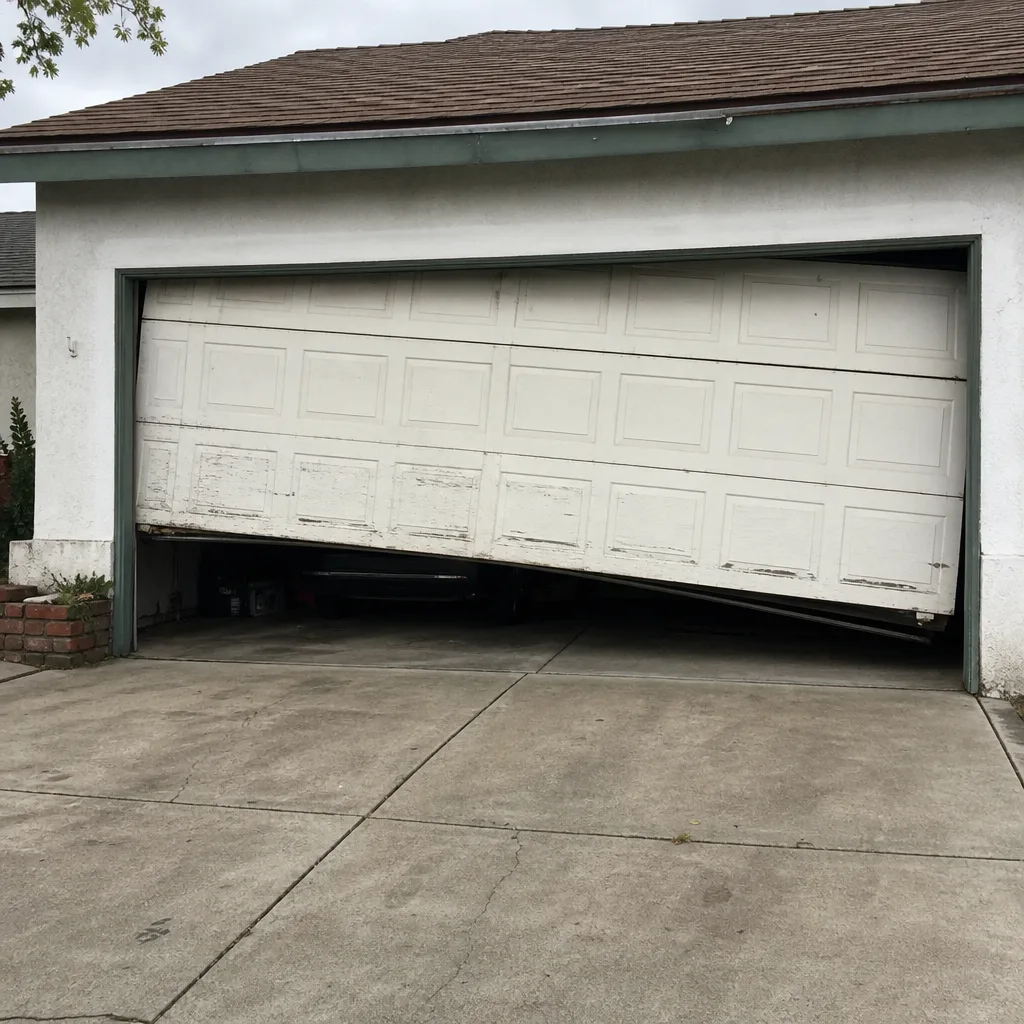 Before
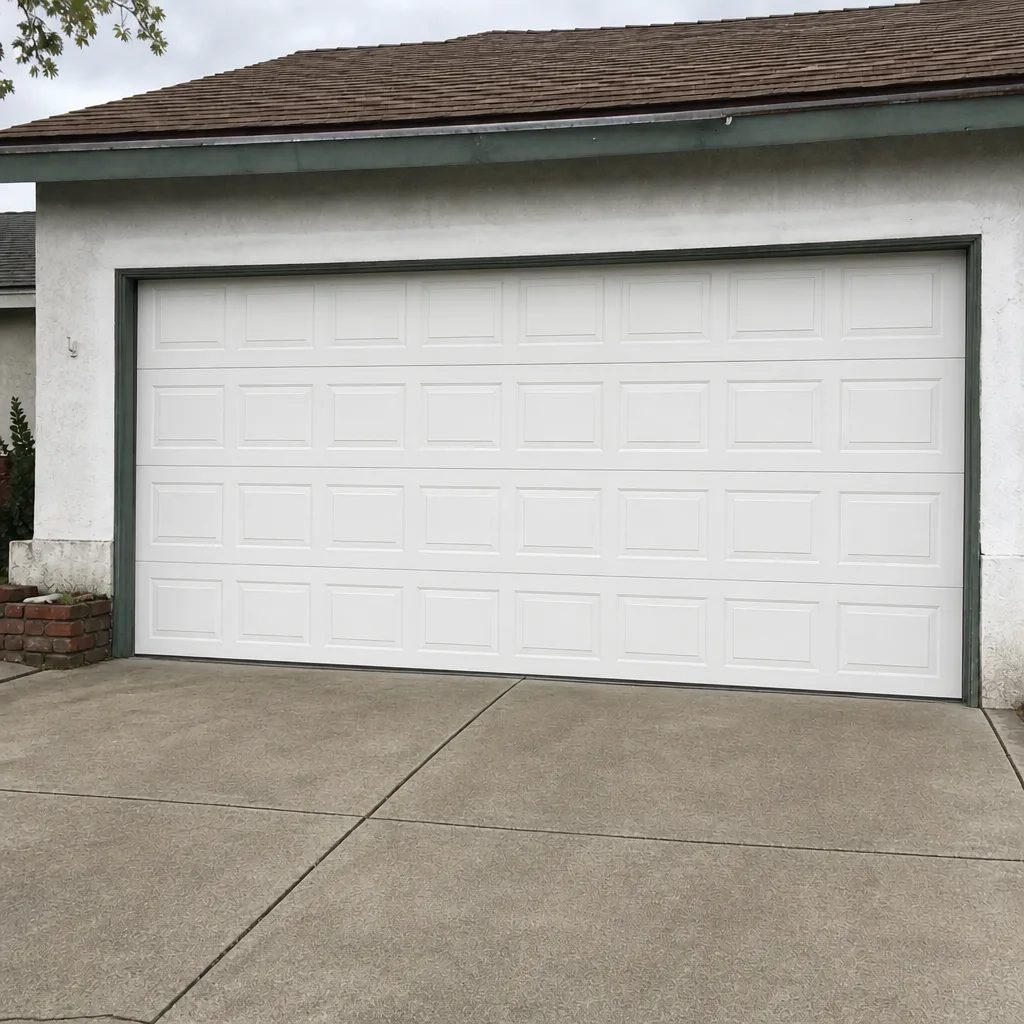 After
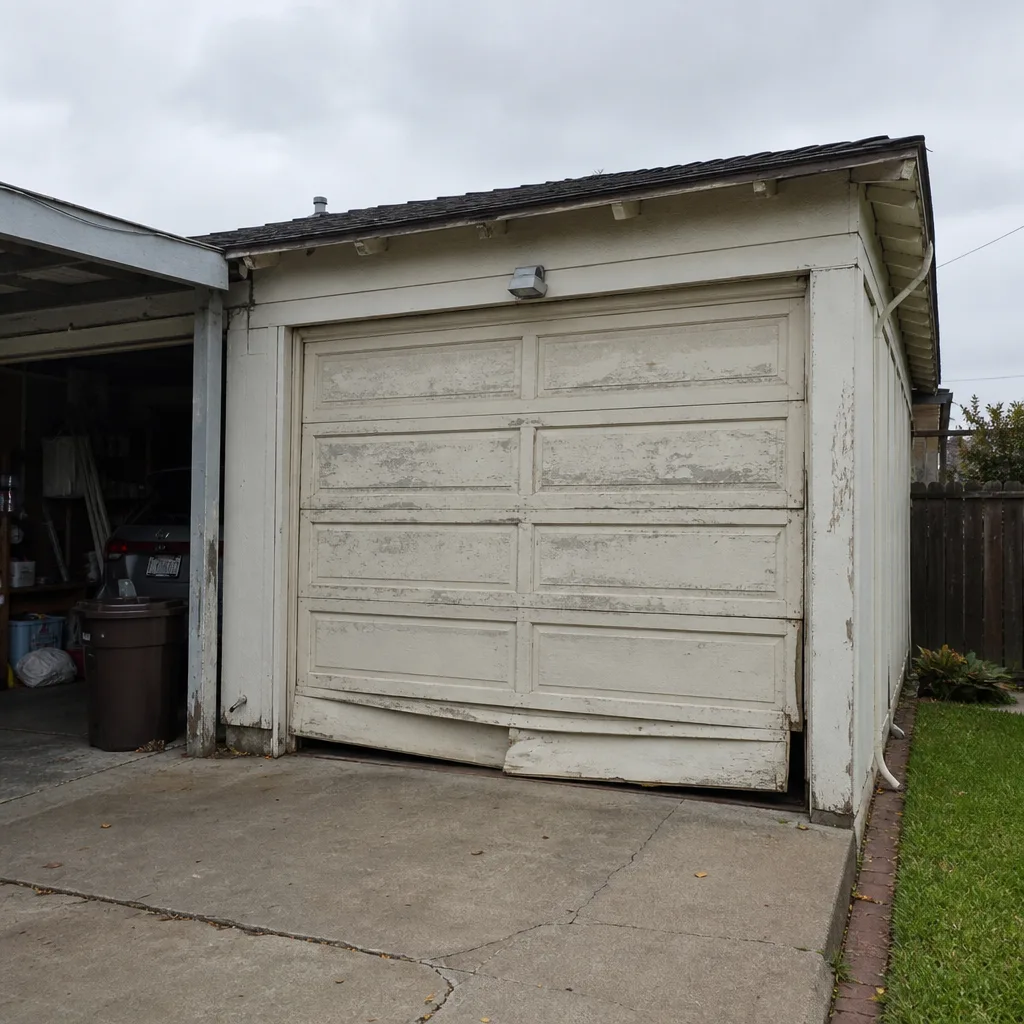 Before
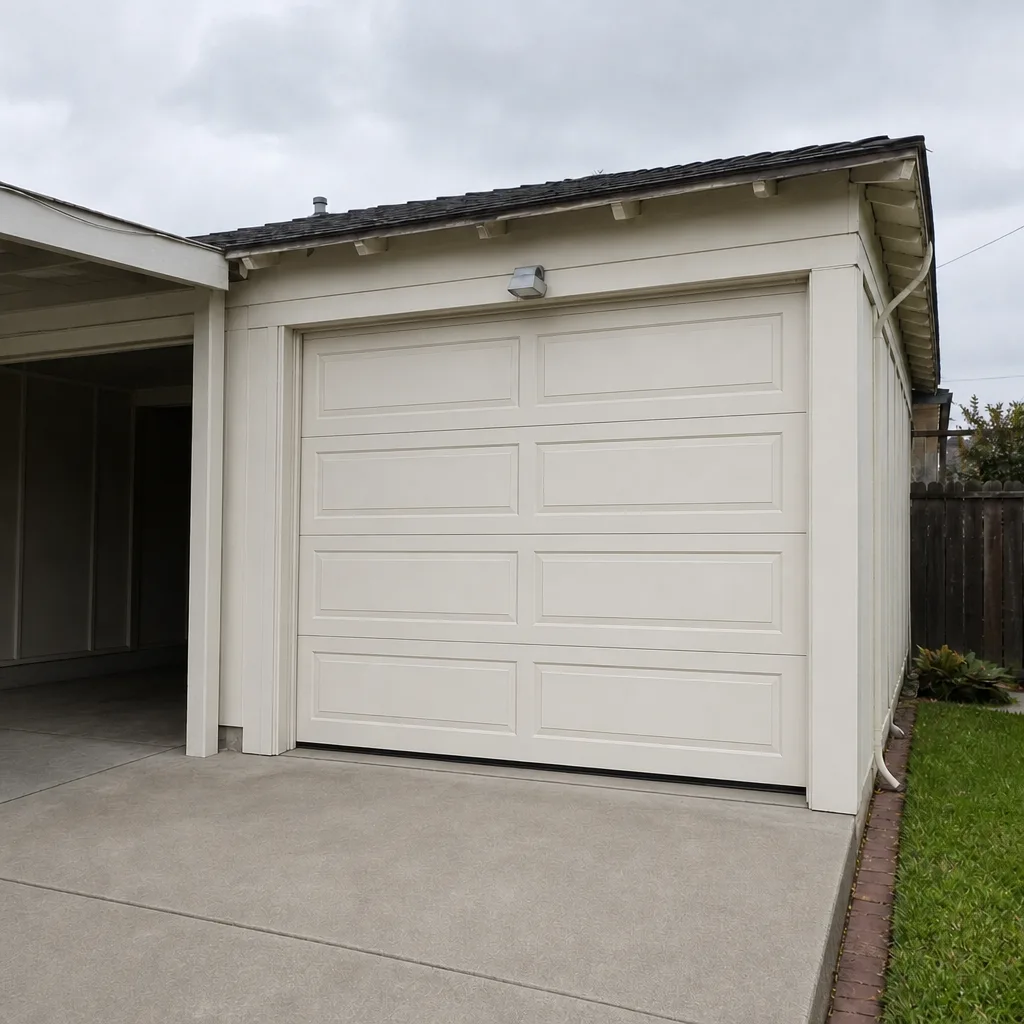 After
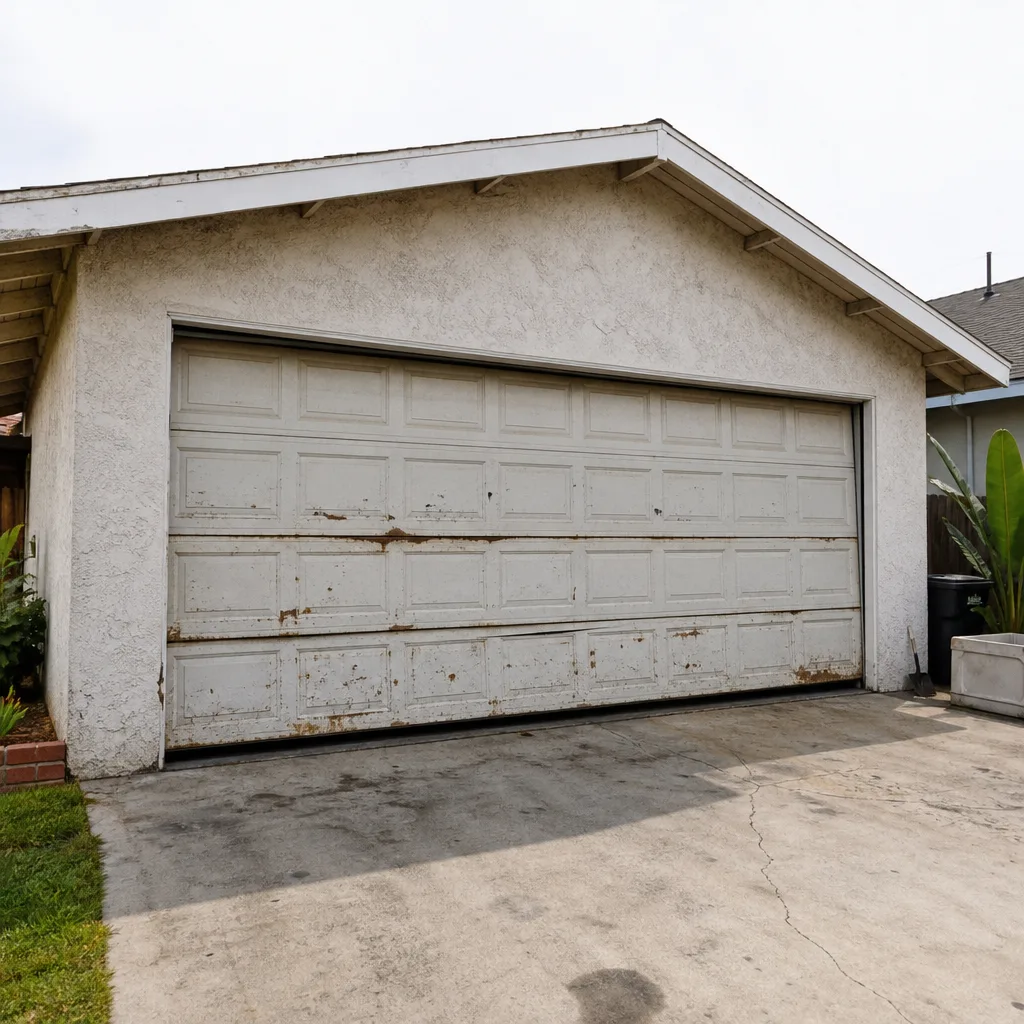 Before
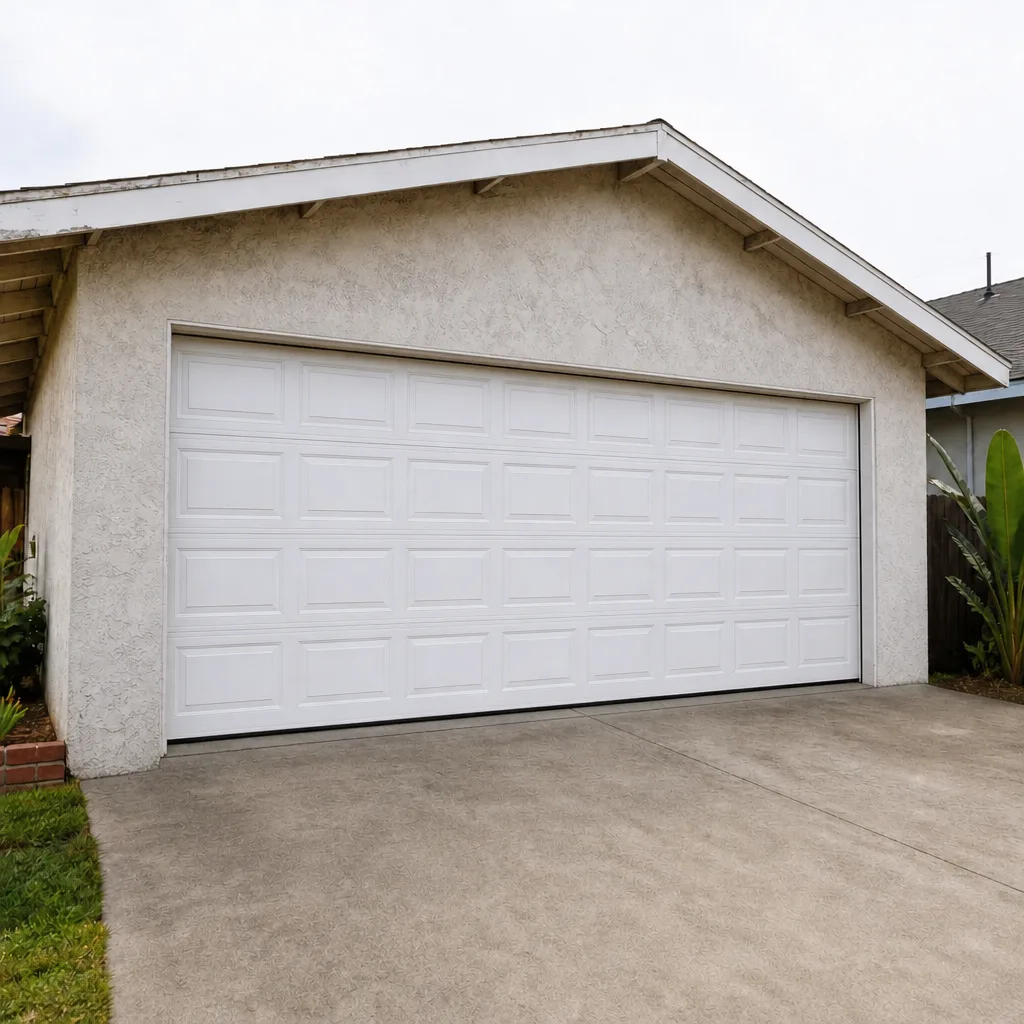 After