
Last updated November 4, 2026
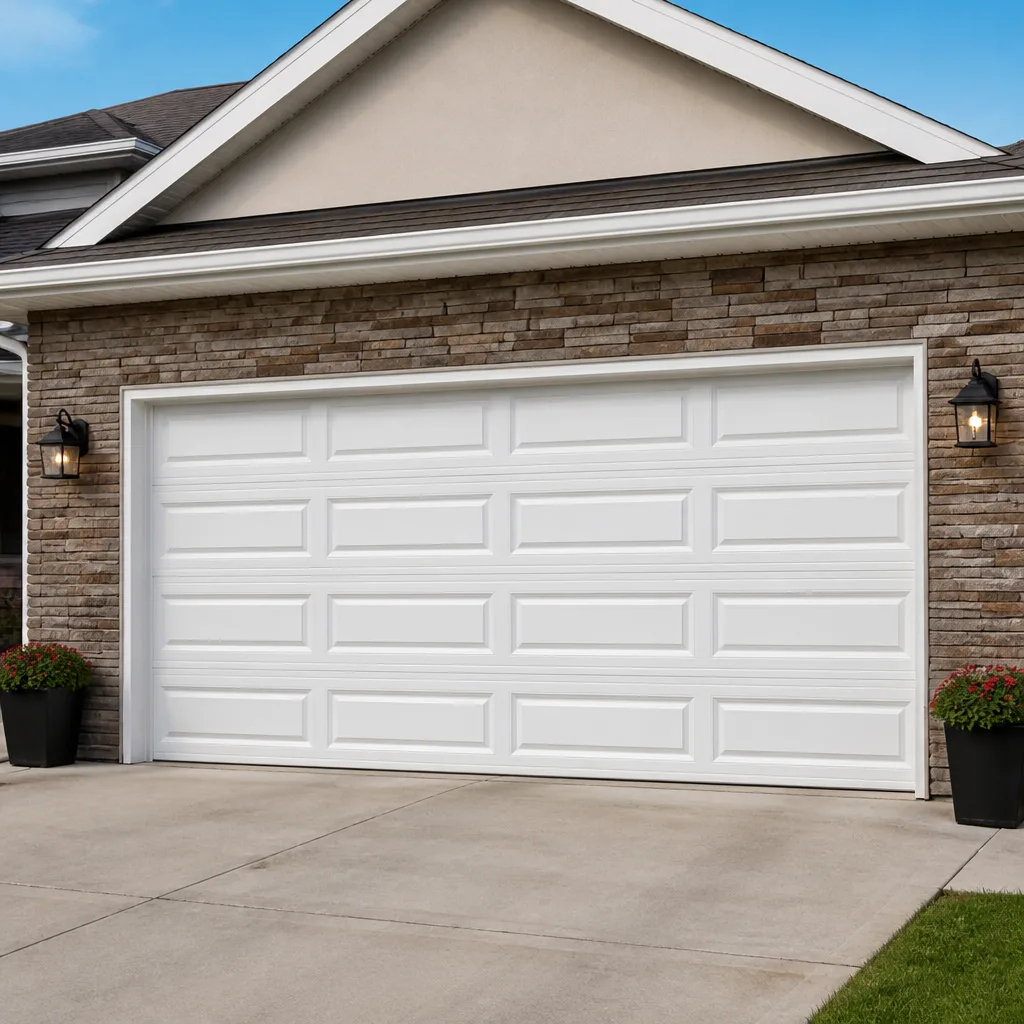 Raised-panel steel
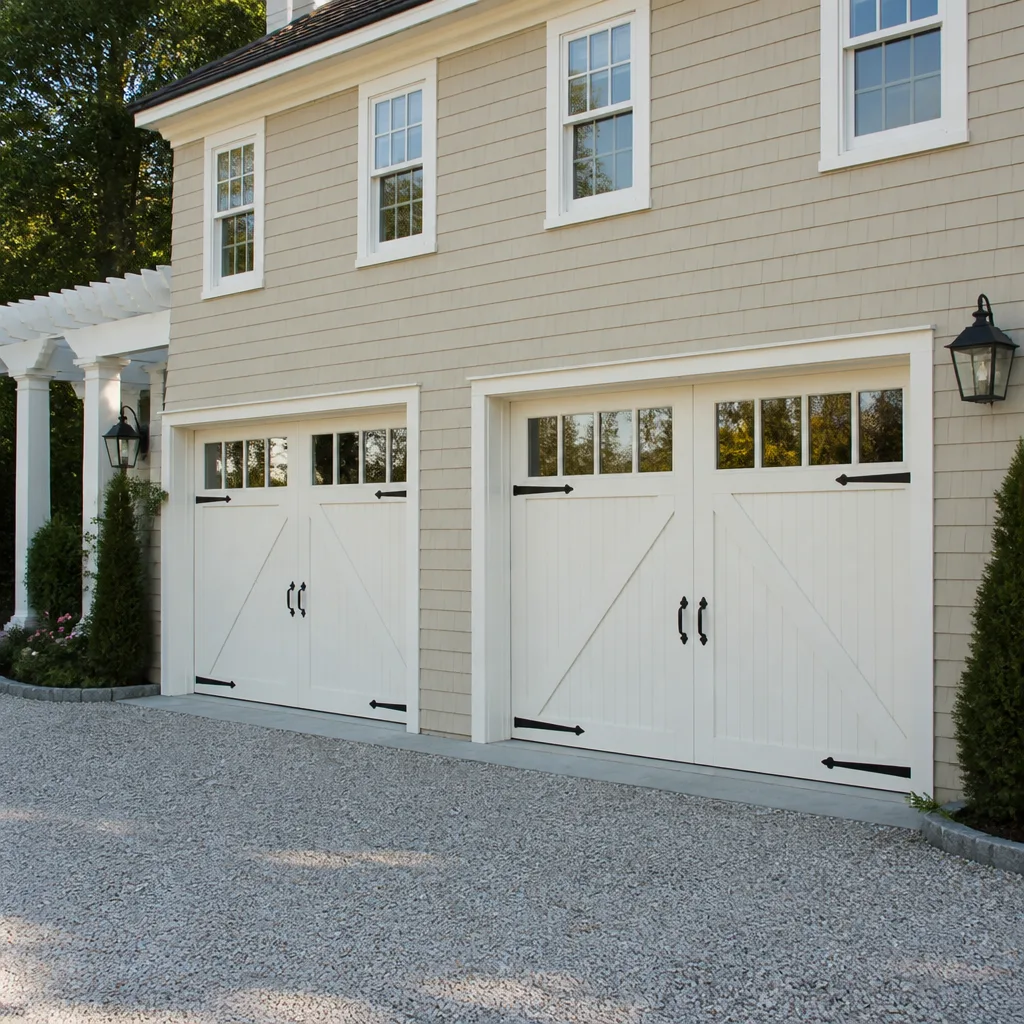 Carriage house
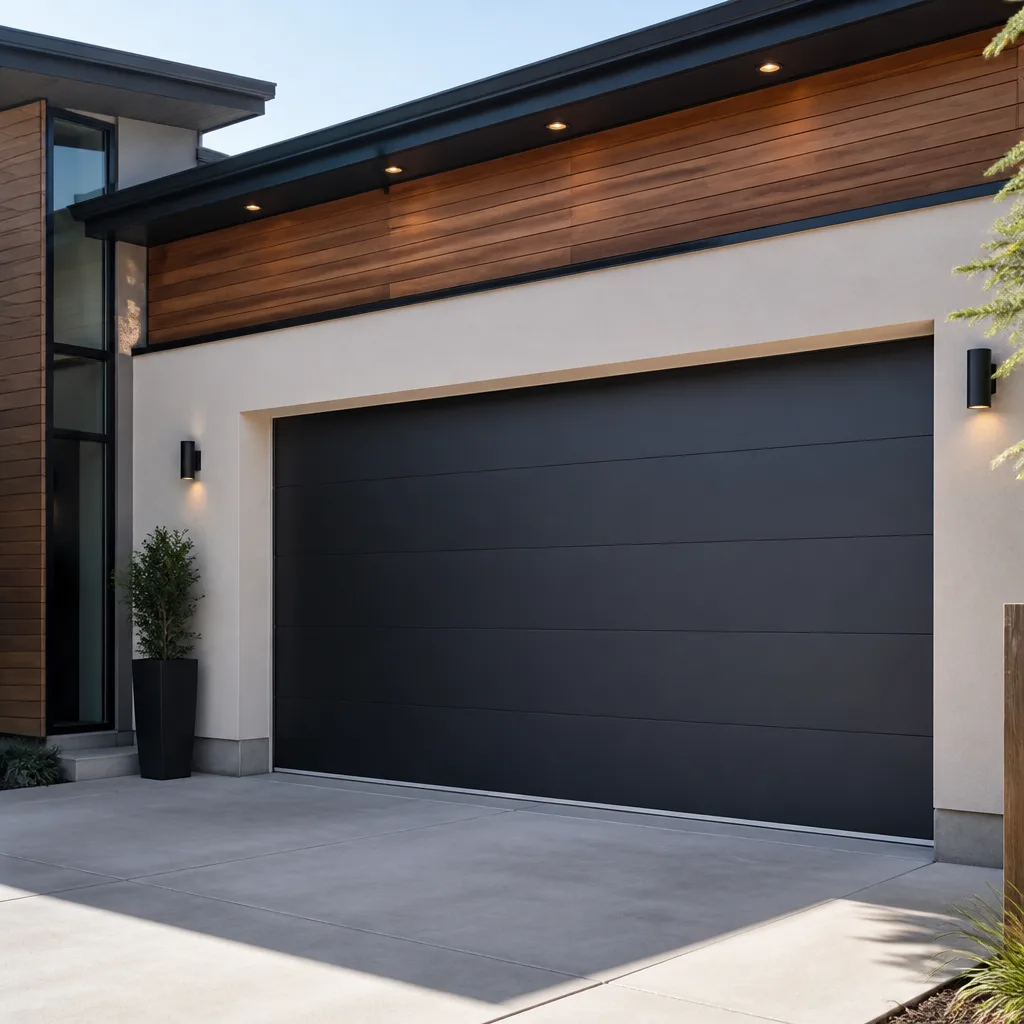 Modern flush
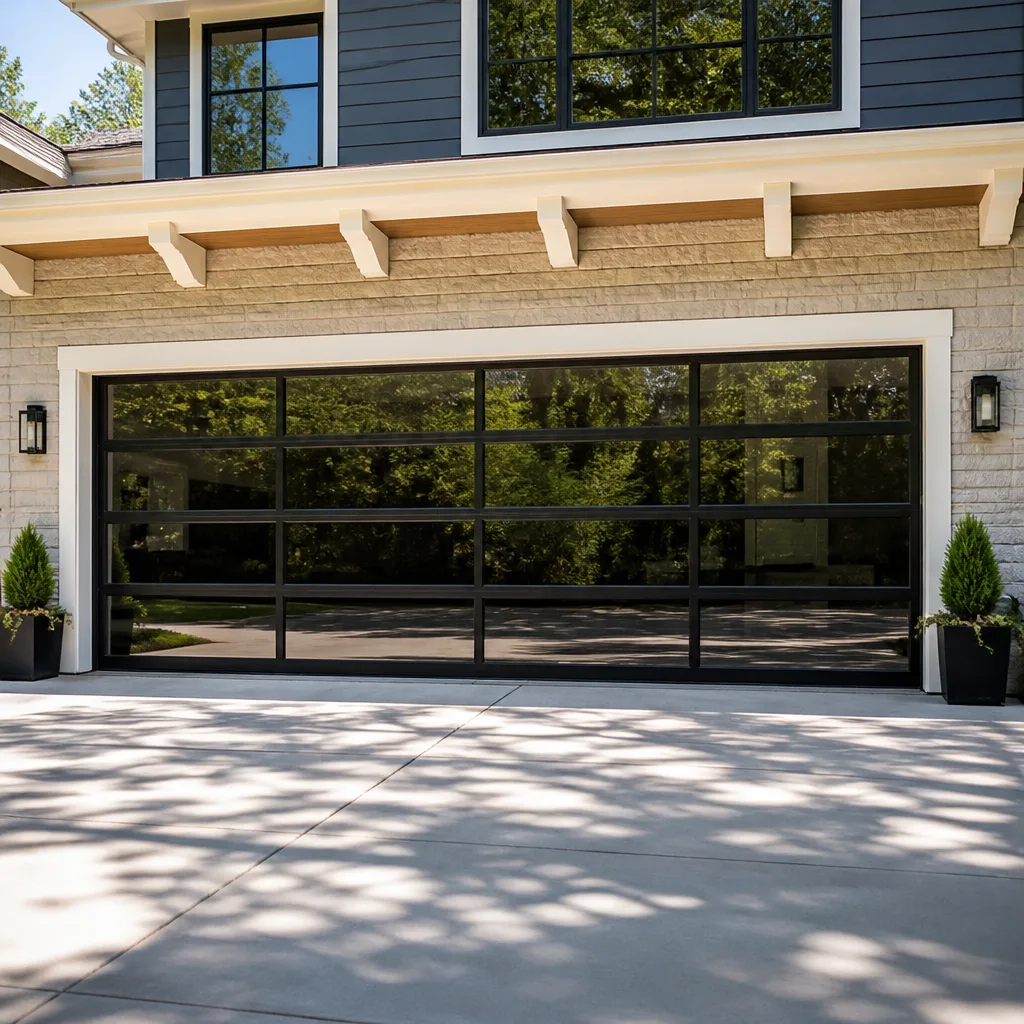 Full-view glass
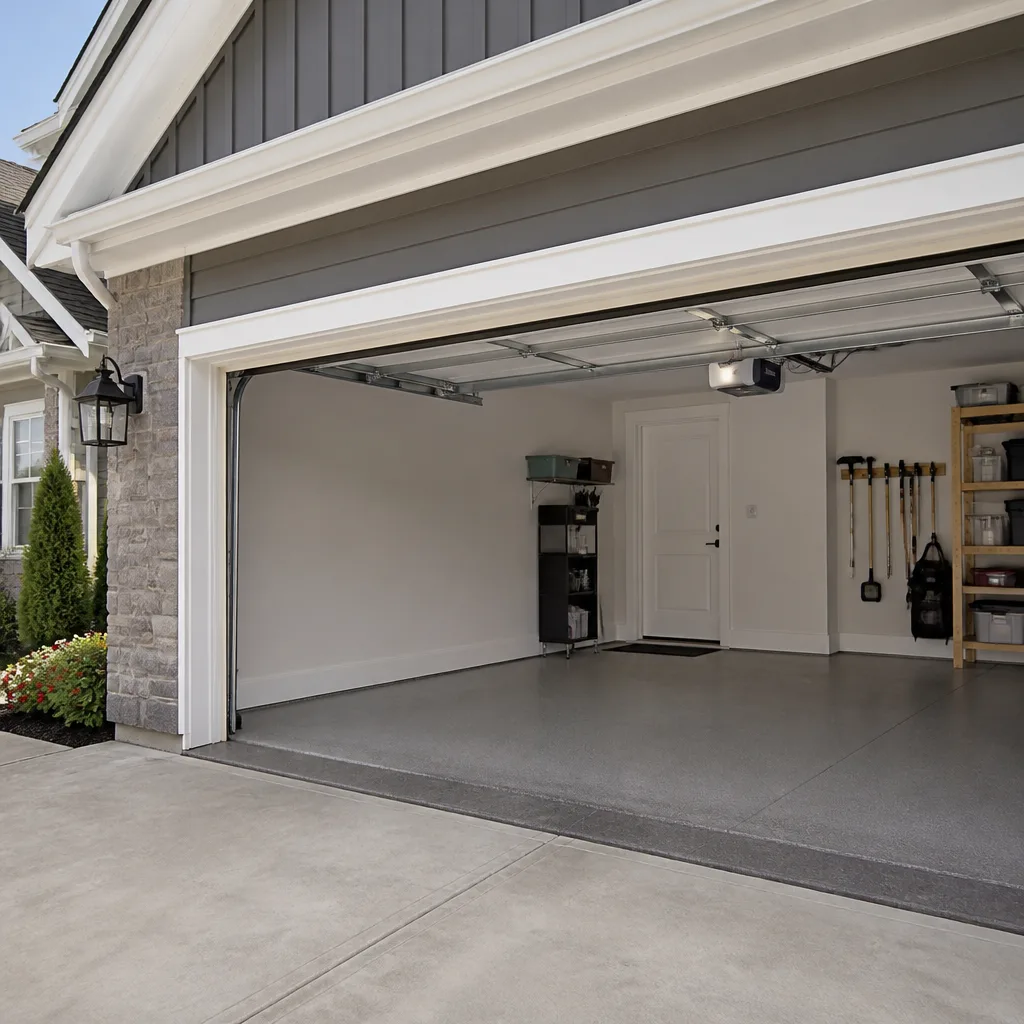 LiftMaster openers
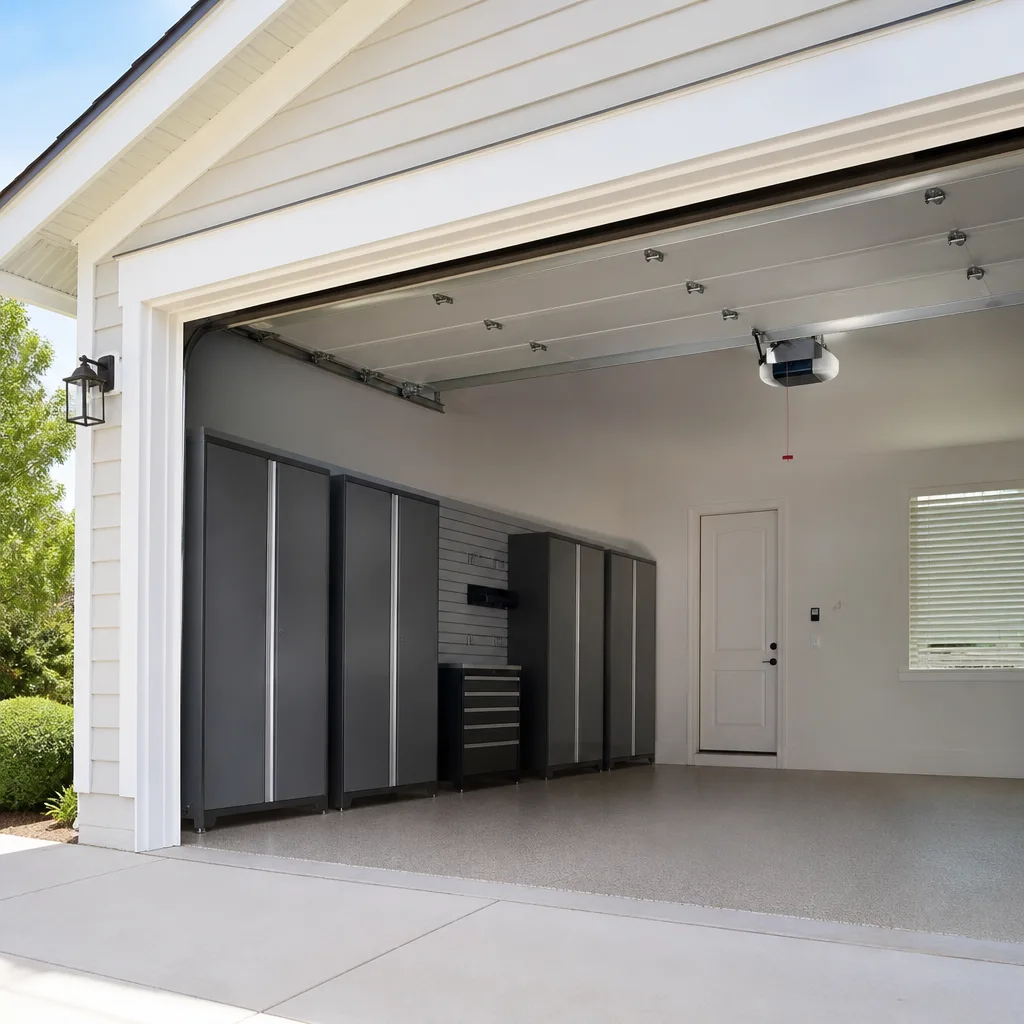 Chamberlain openers
Full 25-point door and opener safety check with every visit - springs, cables, rollers, tracks, and your LiftMaster or Chamberlain opener included
You get a price before we start. It does not change when the truck arrives.
Get your free estimateGarage Door Warning Signs: A Whittier Homeowner’s Reference Guide
Most homeowners in Whittier wait for the sound. A loud pop, a cable snap, a door that slams to the ground in the middle of a Tuesday afternoon. But the failures we see on service calls rarely start with a dramatic moment. They start months earlier with a door that lifts half a second slower, a hum that wasn’t there before, a cable that sits just slightly off its drum. The dramatic failure is the end of a story, not the beginning. This guide walks through the warning signs that actually precede a garage door failure, what each one means, and when a Whittier homeowner should act before a nuisance becomes a safety hazard.
Styles & brands we work with
- Raised-panel steel
- Carriage house
- Modern flush
- Full-view glass
- LiftMaster openers
- Chamberlain openers
Quick Answer
A garage door in Whittier is failing when it shows subtle mechanical cues: slow travel, uneven gaps, new noises, shaking, or cables sitting off the drum groove. These are rarely just cosmetic. They indicate worn springs, failing rollers, opener motor strain, or structural wear, and each one can fail catastrophically if ignored. The most reliable move is to get a free inspection from a garage door specialist the moment any of these signs appears.
Table of Contents
- The Slow Door: Spring Wear vs. Opener Wear vs. Roller Drag
- The Uneven Gap at the Bottom of a Closed Door
- When a Door Reverses Unexpectedly: Winter vs. Summer Causes
- Noise Taxonomy: What Grinding, Popping, Rattling, and Squealing Actually Mean
- The One Sign Everyone Ignores: A Cable Sitting Off the Drum Groove
- Shaking, Jerking, and Uneven Travel
- Opener-Specific Warning Signs Whittier Homeowners Should Know
- Common Mistakes to Avoid
- When to Call a Professional
- Frequently Asked Questions
- The Bottom Line
The Slow Door: Spring Wear vs. Opener Wear vs. Roller Drag
A garage door that opens more slowly than it did six months ago is the most commonly dismissed warning sign in Whittier. Homeowners feel the delay, assume the opener is “getting old,” and keep using the door until something breaks outright. But a slow door is a diagnostic clue, and the source matters. It can be spring wear, opener motor strain, or roller drag, and each one behaves differently.
The 10-second field test tells them apart. Disconnect the opener by pulling the red emergency release handle, then lift the door manually by hand. If the door feels heavy or wants to drop, the springs are losing tension. If the door lifts smoothly by hand but moves slow under power, the opener motor or drive is the problem. If the door is difficult to move by hand and feels like it’s catching or dragging along the track, the rollers are worn or the track is binding.
In Whittier, spring wear is the most common culprit we see. Torsion springs are rated for a limited number of cycles, not years, and a door that cycles four to six times a day will wear springs faster than a door opened once daily. When spring tension drops, the opener compensates by working harder. That strain on the motor, gear, and sprocket is why a “slow door” that starts with the springs often ends with a failed opener too. The owner ends up replacing both, not because the opener was cheap, but because it was pulling against a weakening spring for months.
Roller drag is a separate issue. Nylon rollers wear down, steel rollers lose their bearings, and dirt from Whittier’s dry season settles into the track and roller stem. A door with roller drag moves slow in both directions, manual and powered. The fix is often a roller replacement, not a spring or opener job. The test separates the three in seconds, and it tells a technician exactly where to look before the first tool comes out.
The Uneven Gap at the Bottom of a Closed Door
When a closed garage door sits with one side touching the ground and the other slightly raised, most people assume it’s a cosmetic quirk. It is not. An uneven gap at the bottom of a closed door in Whittier usually means one of three structural things: the door is out of balance, the cables are worn unevenly, or the track has shifted. Each one gets worse with use.
A door that closes unevenly is often a door with unbalanced spring tension. Torsion springs work as a pair, and when one spring loses tension faster than the other, the door drops unevenly. The low side is the side with less spring support. Over time, the high side’s cable carries more load, which accelerates cable wear. A door that sits unevenly is actively wearing its own cables faster than a balanced door. That is a compounding problem, not a cosmetic one.
Cable wear is the second cause. A frayed cable stretches before it snaps. A stretched cable lets one side of the door settle lower or higher depending on where the wear sits. Homeowners sometimes see this as a door that “bounces” slightly at the bottom of its travel, or one side that looks different from the other when closed. If the cable is visibly worn at the drum, the gap is a warning sign of a coming cable failure, and a snapped cable under tension is a genuine safety hazard.
The third cause is track shift. Garage door tracks are bolted to the wall and ceiling, and the vibration of daily cycles works bolts loose. Whittier’s temperature swings between cool mornings and warm afternoons cause metal to expand and contract, which loosens fasteners over time. A shifted track changes the door’s travel path, and the bottom gap is often the first visible result. A homeowner who checks the track bolts and brackets once a season can catch this before it becomes a derailment.
When a Door Reverses Unexpectedly: Winter vs. Summer Causes
A garage door that starts closing, then reverses back up before touching the floor, is usually a sensor issue. But the cause shifts with the season, and Whittier homeowners who understand the difference can save themselves a service call or know when one is truly needed.
In winter, the culprit is almost always light and condensation. The photo eyes at the bottom of the track need a clean, aligned beam to tell the opener that nothing is in the way. Winter sun in Whittier sits lower on the horizon, and a low angle of sunlight can hit one sensor and blind it. The opener reads that as an obstruction and reverses. Morning condensation is the other winter factor. A thin film of moisture on the sensor lens diffuses the beam. The door reverses, the homeowner assumes the opener is failing, and the real fix is wiping the lens clean and making sure the sun is not directly on the sensor at the moment the door closes.
In summer, we see a different pattern. Heat is the issue. Garage door opener logic boards sit inside the motor housing on the ceiling, which is the hottest part of a Whittier garage in August. The ceiling traps heat, and a logic board that runs warm in a hot garage can misread sensor signals or reset mid-cycle. The door starts closing, the board gets a false or interrupted signal, and the opener reverses. This is not a failed opener in most cases, but it is a sign the opener is running hot, and repeated thermal cycling shortens the life of the board. If the door reverses only in the heat of the day and works fine in the early morning or late evening, the logic board is the likely culprit.
Either way, a door that reverses unexpectedly is doing what it was designed to do: refusing to close when it cannot confirm the path is clear. The question for the homeowner is whether the obstruction is real, environmental, or electrical. That diagnosis is where a garage door opener repair specialist earns the call.
Noise Taxonomy: What Grinding, Popping, Rattling, and Squealing Actually Mean
Garage doors make noise. Every door makes some sound when it moves, and homeowners in Whittier get used to the particular sounds of their own system. The warning signs are not the sounds themselves. They are the changes in the sounds. A new noise, a louder version of an old noise, or a sound that appears at a specific point in the door’s travel is a diagnostic signal.
Here is what each sound class actually means, mapped to the component it comes from:
- Grinding: Metal on metal with grit. Grinding comes from the opener’s gear and sprocket assembly, or from rollers whose bearings have failed and are being dragged along the track. A grinding opener is a driven gear wearing down. A grinding door is a roller or track problem. The difference is location: put your hand on the opener housing while the door runs. If the vibration matches the grind, the opener is worn.
- Popping: A sharp, periodic pop or bang, often at the same point in the travel. Popping comes from the sections of the door binding and releasing as the door goes through the curved part of the track, or from a torsion spring that has slipped on its shaft. A popped spring that still holds tension is dangerous. The door may open, but the spring is no longer stable.
- Rattling: Loose hardware. Hinges, brackets, track bolts, the opener chain or belt tension. Rattling is usually the least serious noise and the easiest to fix, but it is also a sign the door is vibrating more than it should, which can mask a balance issue underneath.
- Squealing: High-pitched friction. Squealing comes from rollers without lubrication, a dry torsion spring, or a belt that is misaligned. A squealing spring is not a sign of failure by itself, but it is a sign of friction, and friction wears the spring faster. A spring that squeals loudly every cycle is working harder than it should.
The noise taxonomy matters because each sound points to a different repair. A homeowner who calls and says “it grinds when it opens” has given us the first clue. A homeowner who says “it’s making a noise” has not. Whittier garages run a lot, and knowing the difference between a rattle and a grind is what separates a five-minute adjustment from a full opener rebuild.
The One Sign Everyone Ignores: A Cable Sitting Off the Drum Groove
Walk into any garage in Whittier and look at the cable drum above the torsion spring. The cable should sit neatly in the groove, wrapped in a single, even layer. The warning sign that homeowners almost always ignore is a cable that sits slightly off the groove, crossed over itself, or loose around the drum. This is the most overlooked pre-failure cue in garage door work.
Why is it ignored? Because the door still works. A cable that is off its groove by a quarter inch does not stop the door from opening. It does not make a loud noise. Most people do not look at their cable drums at all. But a cable off the groove means the door is lifting unevenly, and every cycle adds a little more wear to the cable, the drum, and the spring. The cable is being pinched or scraped once per cycle, and eventually it frays at the exact point where it sits off the groove. When it snaps, the door jumps, and the entire weight of the door lands on whatever is left holding it.
This is a spring and cable safety issue, not a do-it-yourself fix. Torsion springs hold a tremendous amount of force, and a cable that is off the drum is under that same force. A homeowner should never attempt to reseat a cable on a torsion spring system without training. The safe move is to stop using the door and call a garage door specialist who can unwind the spring tension safely, inspect the cable and drum, and reset the system.
For Whittier homeowners, the season to check is after any period of heavy use or after a rough cycle. A cable can jump its groove when the door is forced open manually, when a spring breaks and the door is operated anyway, or when the door comes off the track slightly and is pushed back. If the door has ever been opened by hand while the opener was engaged, the cable drums deserve a look.
Shaking, Jerking, and Uneven Travel
A garage door that shakes on the way up, jerks through the curved part of the track, or travels faster on one side than the other is not “just an old door.” It is a door that is fighting its own hardware. The shaking is the door’s frame flexing under unequal load, and it is one of the clearest signals that a component is failing.
The most common cause is an unbalanced door. When one spring weakens, the opener pulls harder on one side, and the door twists slightly as it rises. The shaking is that twist showing up as visible movement. The second cause is a worn roller or a bent track. A roller that no longer spins freely drags along the track, and the door stutters at the point where the roller sticks. The third cause is a loose opener chain or belt. A chain with too much slack whips at the top of the cycle, and the shaking is transmitted through the J-arm to the door itself.
Uneven travel is the same problem seen from the side. Watch the gap between the door edge and the track as the door moves. A door that travels evenly keeps a roughly consistent gap on both sides. A door that wanders toward one track is telling you the cables are stretching unevenly, the track is misaligned, or the hinges are wearing on one side more than the other. Homes in Whittier with single-car garages tend to see this faster, because the smaller doors cycle through the same hardware wear in a shorter travel arc.
The test is visual and takes ten seconds. Open and close the door from inside the garage while standing to the side. Watch the edges. If the door hesitates, shudders, or changes angle at any point, the door needs attention before the next stage, which is usually a thrown cable or a broken roller bracket. A door that shakes is a door that is about to stop.
Opener-Specific Warning Signs Whittier Homeowners Should Know
Garage door openers give their own set of warnings, and Whittier homeowners who recognize them can often save a motor before it burns out. The opener is the most common point of failure on a garage door system, and most of those failures are preceded by at least one observable sign.
The most telling signs, in order of seriousness:
- The opener runs but the door does not move. This is almost always the gear and sprocket assembly, which is a plastic gear designed to fail before the motor does. It strips, the motor spins, and nothing happens. It is a replacement part, not a new opener.
- The opener hums but does not start. A hum with no movement is the capacitor or the motor itself. If the door is balanced and the hum persists, the opener needs a technician.
- The opener reverses mid-travel for no apparent reason. This can be the force settings, a binding door, or a logic board problem depending on the season and heat, as covered above.
- The opener runs for a second, then stops. This is often a travel limit or force setting that has drifted. A technician can reset it in minutes. Left alone, the opener will eventually refuse to move the door at all.
- The remote or wall button works intermittently. This is a logic board or receiver issue, and it tends to get worse in heat. Whittier summers expose weak boards that work fine in cooler months.
We service openers from LiftMaster, Chamberlain, and Genie, and we repair rather than replace whenever the opener itself is sound. That is the core of Garage Door Service Whittier‘s brand-agnostic approach: when a motor still has life in it, the right fix is a gear, a capacitor, or a board, not a new unit sold because the service truck only carries one brand.
Common Mistakes to Avoid
- Lubricating a noisy spring to quiet it down. A popping spring is slipping on the shaft, not asking for lubricant. Spraying a failing spring makes the sound quieter for a few days while the spring continues to wear. The noise is the signal. Lubricating it hides the signal. Do not lubricate a spring that pops or bangs. Call a technician.
- Disconnecting the opener and forcing the door by hand when it feels stuck. If a door will not move freely by hand, something is binding. Forcing it is how cables jump drums and rollers snap. The safe move is to stop and get help.
- Adjusting the opener force settings to “fix” a slow or reversing door. Higher force settings compensate for a worn spring or tight track, and the door will open for a while. Then the spring fails or the opener strips. The force setting should match the door. If the door needs more force than it once did, something mechanical changed.
- Ignoring an uneven bottom gap because the door still closes. The gap is the first visible sign of balance loss or cable wear. Waiting until the door will not open is waiting until the repair is bigger and the risk higher.
- Replacing the whole door when the opener fails. If the door panels and springs are sound, a new opener or a gear replacement is the right fix. Homeowners replace doors they did not need to because a technician sold them a package. We work on the brand and system already in the home, and we never push a full replacement when the existing door is structurally fine.
- Operating the door after a spring breaks, even “just one more time.” A broken spring means the door’s weight is unbalanced. Running the opener with one broken spring and one live spring puts uneven load on everything. The door often opens partway and stalls. Every cycle after a spring break risks a cable snap or a derailment.
- Assuming a brand-new door cannot fail. New doors fail on installation error, defective springs, or setup mistakes. A new door that shakes, reverses, or sits unevenly needs the same inspection as a twenty-year-old door. New is not the same as correct.
When to Call a Professional
Call a professional the moment you see a cable off its drum, hear a popping sound from the spring area, or notice the door has begun to shake or travel unevenly. These are not routine maintenance items, and they involve loaded springs and high-tension cables that can cause serious injury when mishandled. A slow door, a noisy opener, or a reversing door can often wait a day or two for inspection, but a cable or spring issue should stop the door from being used until a technician has looked at it.
Garage door repair work in the Whittier area is what our team does every day, and every diagnosis starts with a free estimate. Call (877) 752-8607. We answer 24/7. Fast dispatch from 7am to 7pm, Sunday through Friday. We work on LiftMaster, Chamberlain, Genie, Clopay, Amarr, Wayne Dalton, Craftsman, and Raynor systems, and the price is quoted and agreed before any work starts.
Frequently Asked Questions
A door that feels heavy when opened by hand, takes longer to lift, or shows an uneven gap at the bottom when closed is showing early spring wear. A popping sound from the spring area is a more urgent sign. In Whittier’s mild climate, spring wear is driven more by cycle count than weather, so a door used many times daily may wear springs even without extreme temperatures. Call (877) 752-8607 for a free inspection if any of these appear.
A door that reverses only in hot weather is usually a logic board problem caused by heat buildup in the motor housing on the garage ceiling. Whittier summers put sustained heat on opener electronics, and a weak board misreads sensor signals or resets mid-cycle. If the door works in the cool morning and reverses in the afternoon heat, the opener, not the sensors, is the likely issue.
No. Cables on a torsion spring system are under high tension, and reseating one without proper training and tools can cause serious injury. The safe procedure is to stop using the door and have a professional unwind the spring tension, inspect the drum and cable, and reset the system. This is one repair that should never be attempted by a homeowner.
Repair costs in Whittier vary by the job. A simple roller replacement, sensor alignment, or track adjustment is typically at the lower end, while a spring or gear replacement runs higher because of parts and labor. The estimate is free, the written quote sets the price, and nothing is charged until the scope is agreed. Call (877) 752-8607 for a specific quote on your door and opener.
We service equipment from LiftMaster, Chamberlain, Genie, Clopay, Amarr, Wayne Dalton, Craftsman, and Raynor. The system you already have is the system we fix. No brand loyalty required, no pressure to switch to a proprietary product. We diagnose whatever is installed and repair it on its own terms.
Not always. A rattle is often just a loose hinge or bolt and is quick to fix. A grind, pop, or squeal is more specific. Grinding points to the opener gear or a failed roller bearing, popping to a spring slipping on its shaft, and squealing to friction in the rollers or a dry spring. The sound itself is a diagnostic clue. If the noise is new or getting worse, have it inspected before it becomes a larger repair.
The Bottom Line
Garage door failures in Whittier are rarely sudden. They announce themselves through slow travel, uneven gaps, new noises, and heat-related reversals. The homeowner who knows the difference between a cosmetic quirk and a structural warning can save real money and avoid a dangerous situation. The field test for a slow door, the visual check for a cable off the drum, and the seasonal logic on a reversing door are the three highest-value habits to build. When any sign appears, get a free estimate and an honest diagnosis. Whittier homeowners deserve a door that works predictably. Call (877) 752-8607. We answer 24/7. Fast dispatch from 7am to 7pm, Sunday through Friday.
Written by the team at Garage Door Service Whittier, serving Whittier since 2013.
See the difference
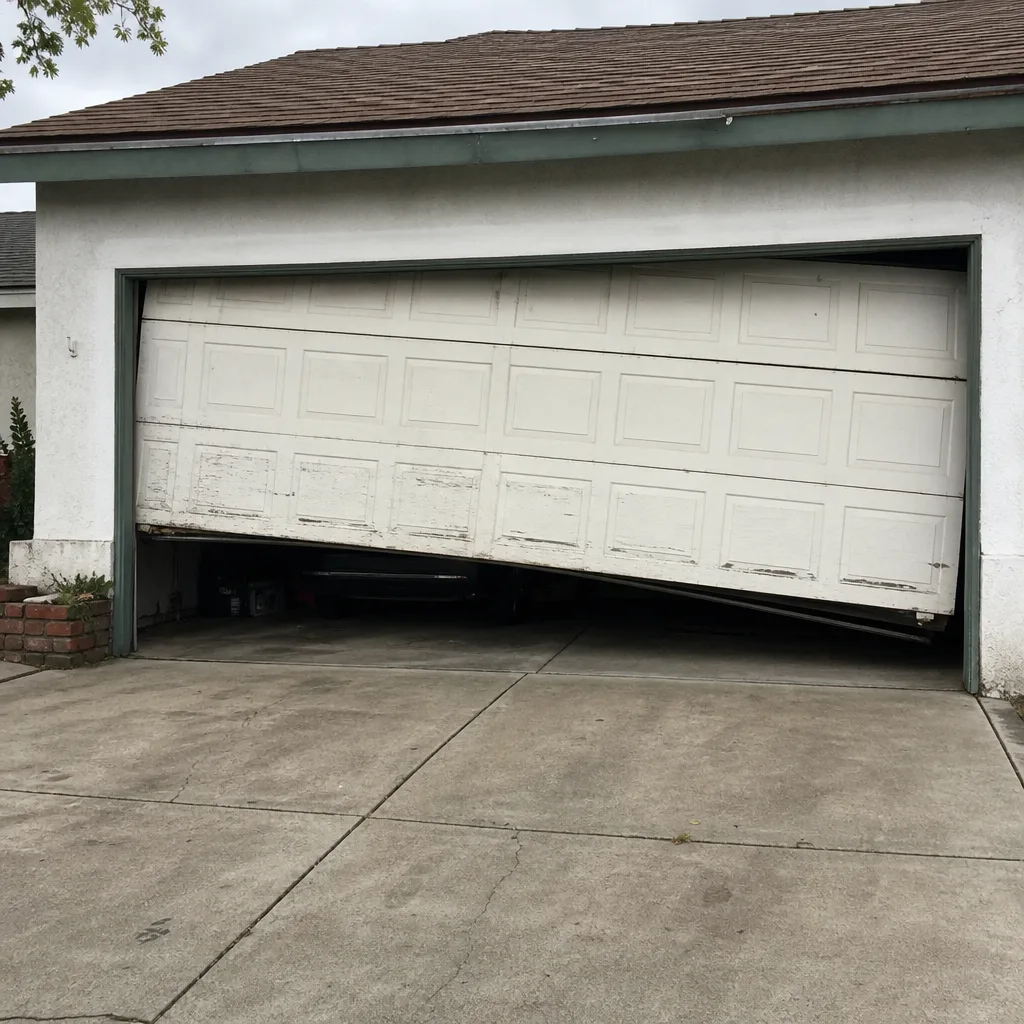 Before
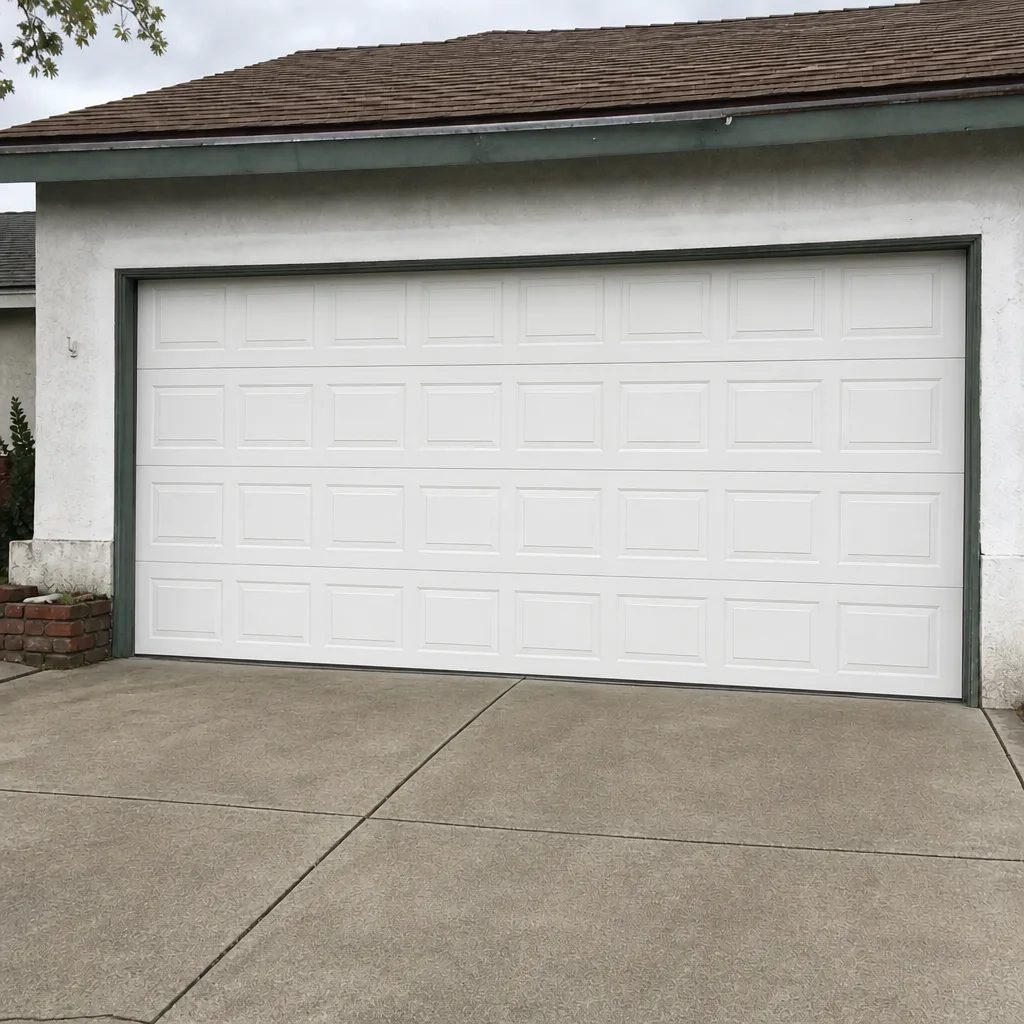 After
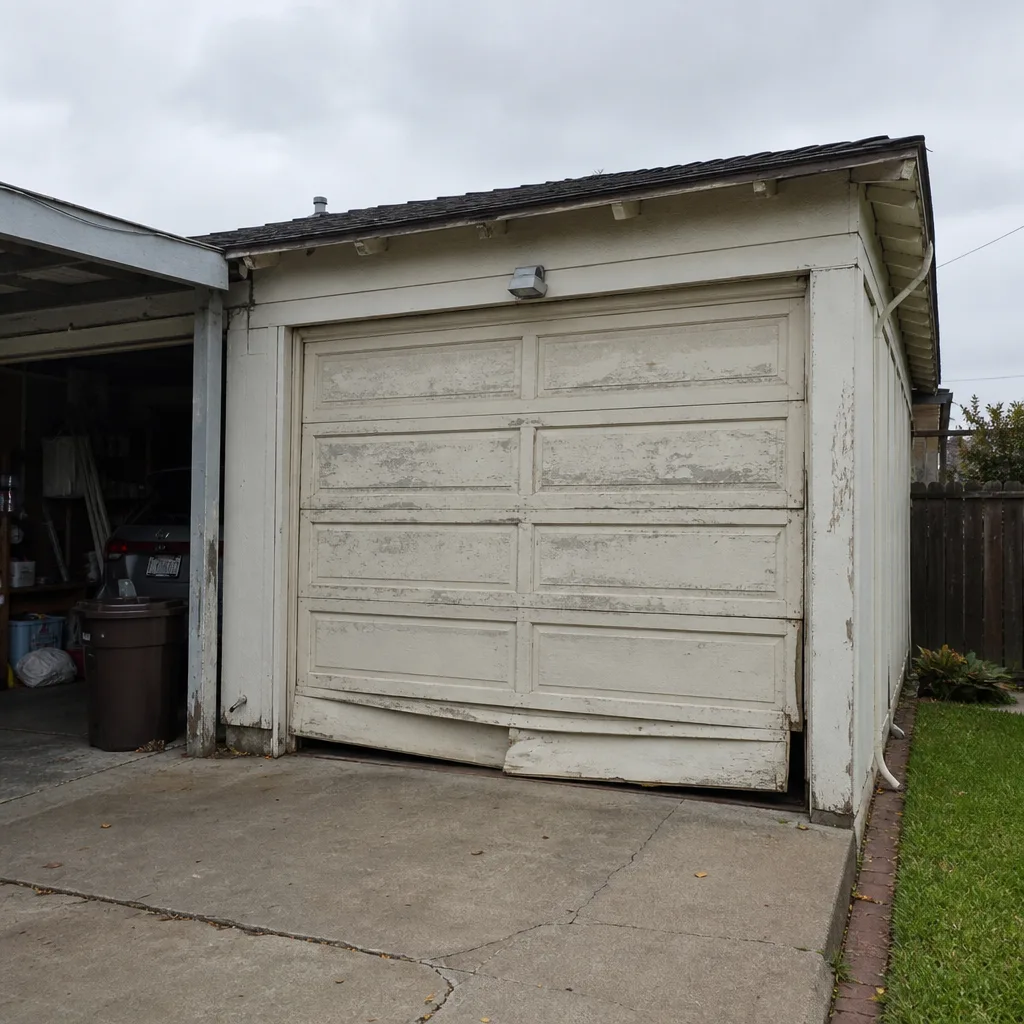 Before
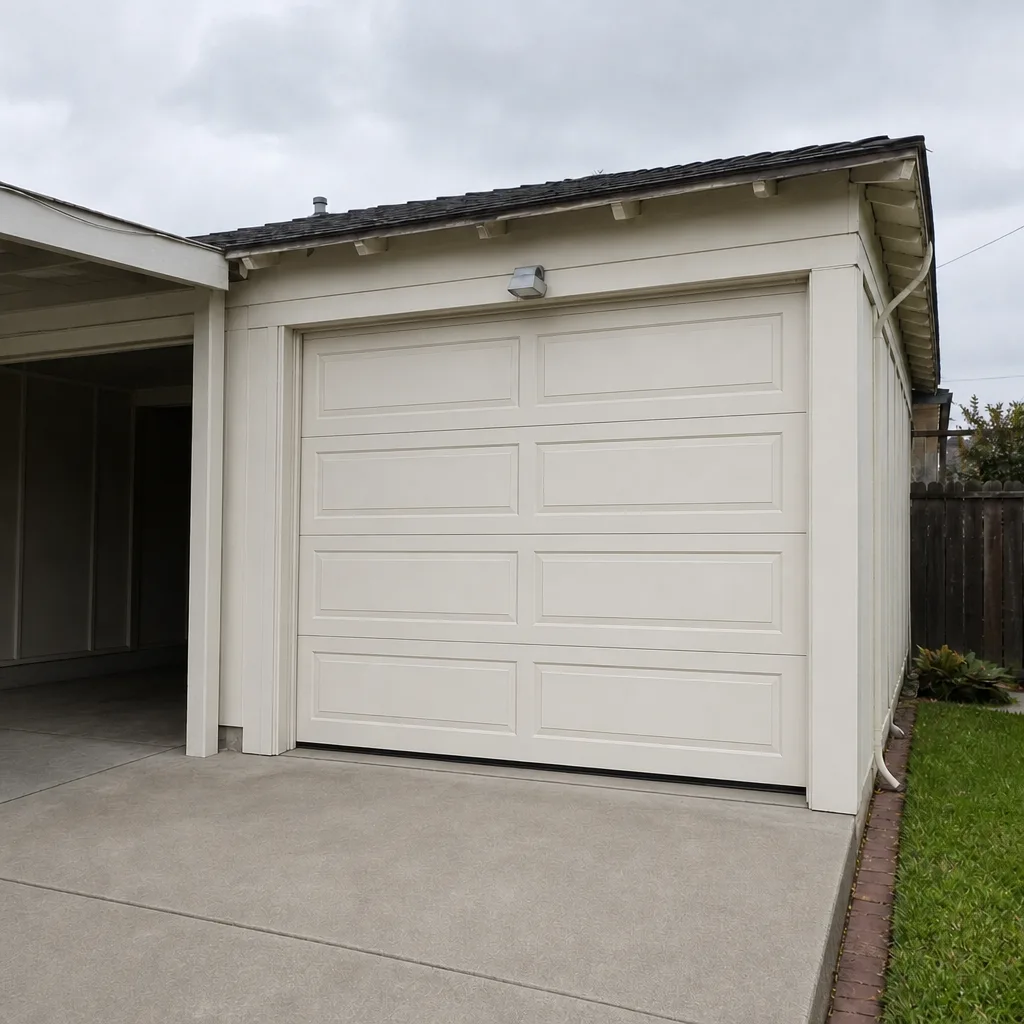 After
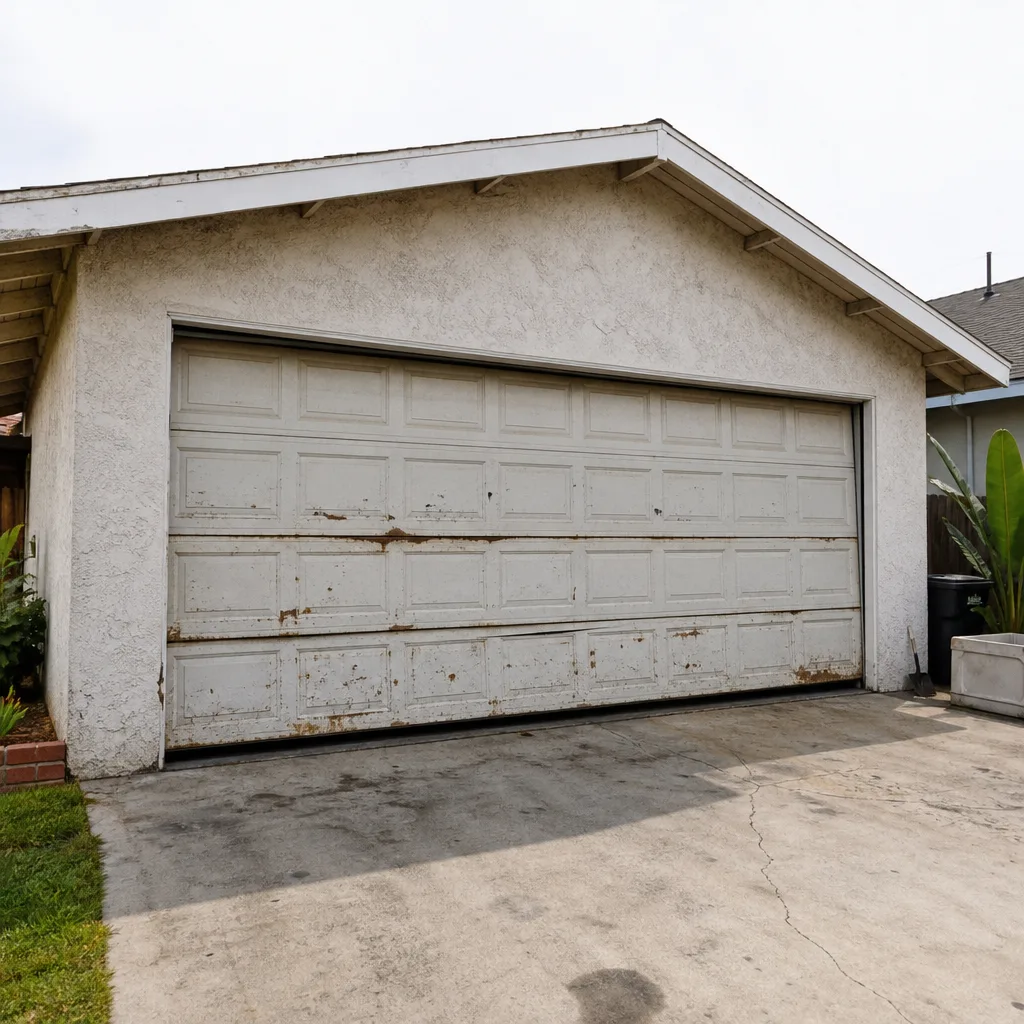 Before
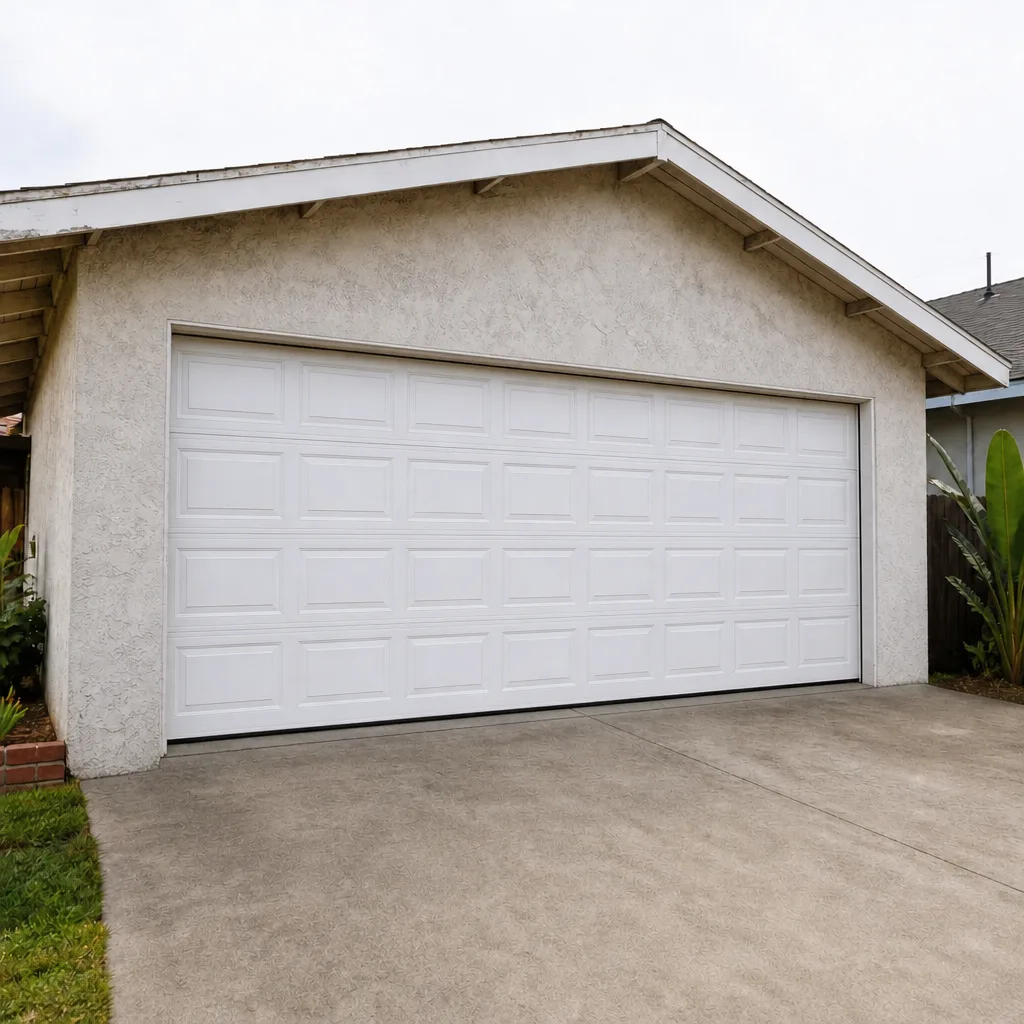 After