
Last updated November 4, 2026
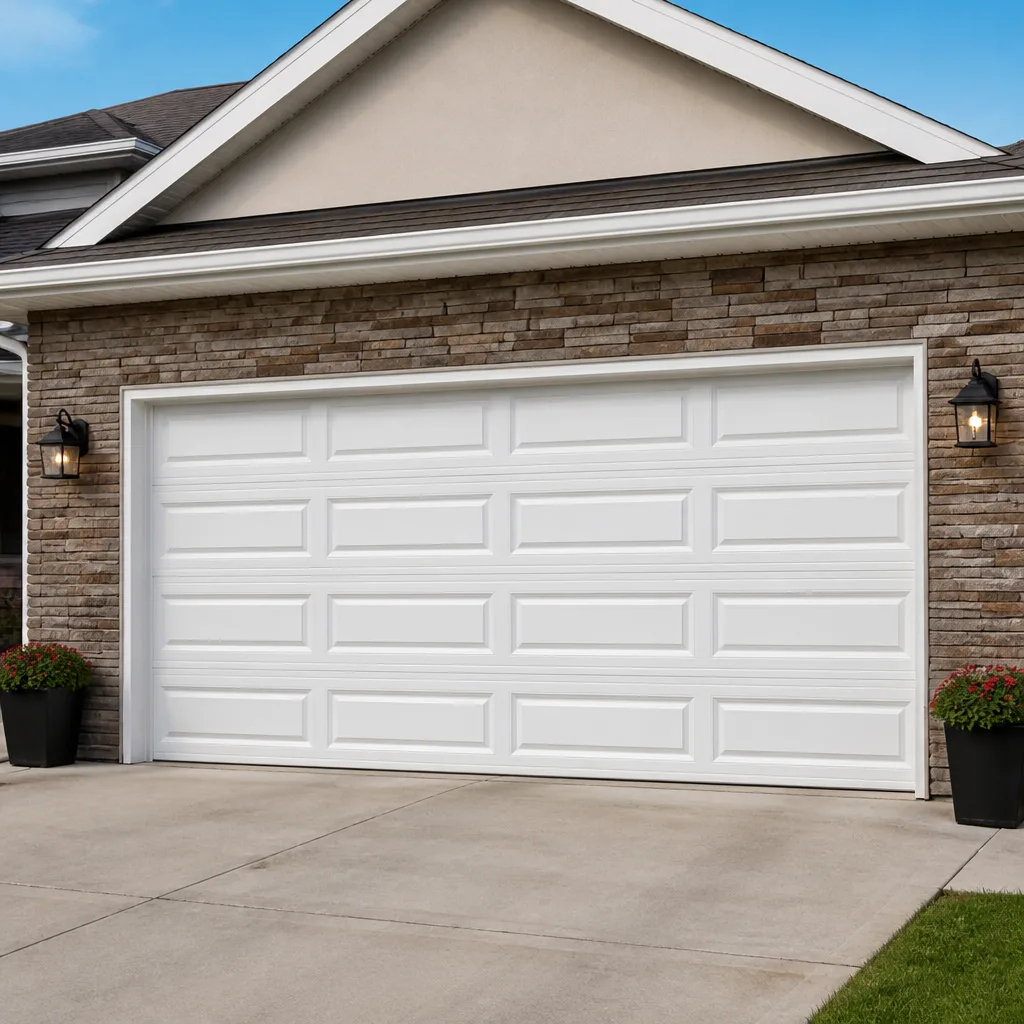 Raised-panel steel
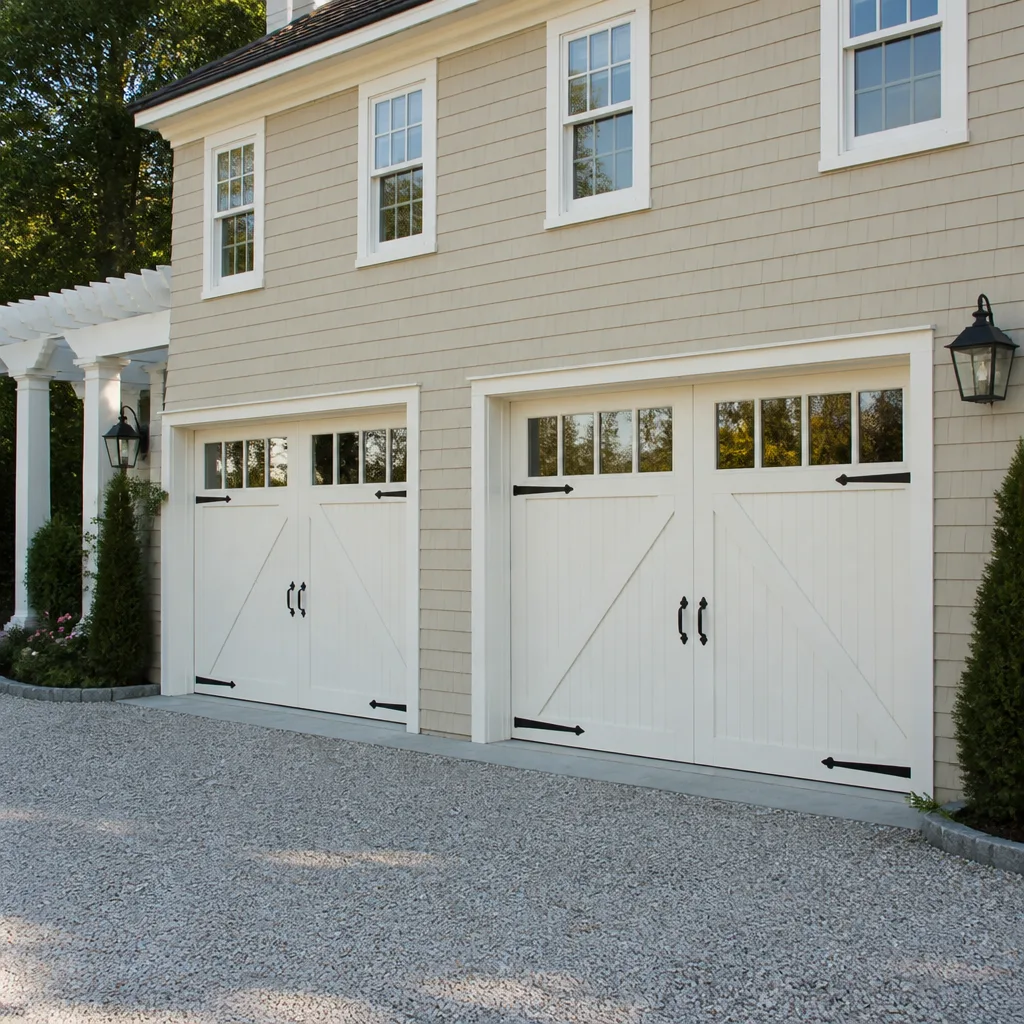 Carriage house
 Modern flush
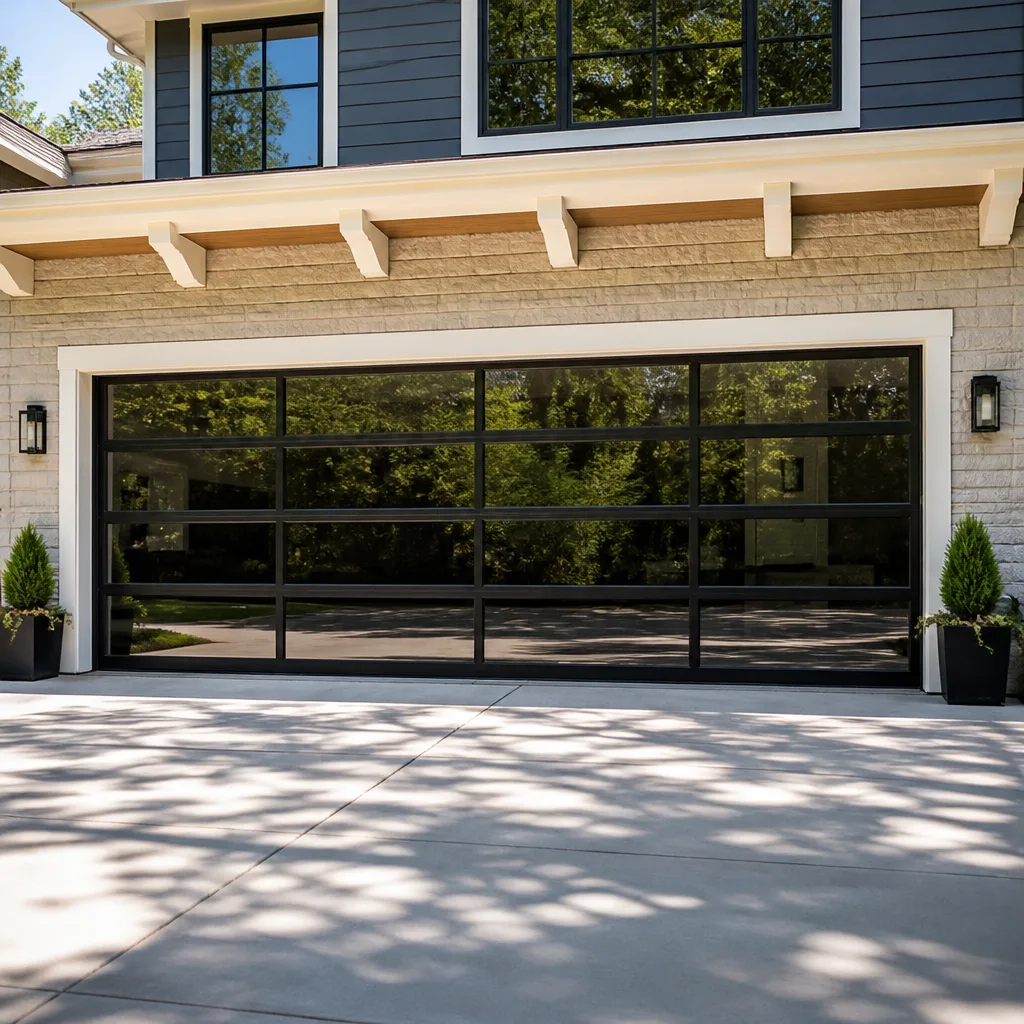 Full-view glass
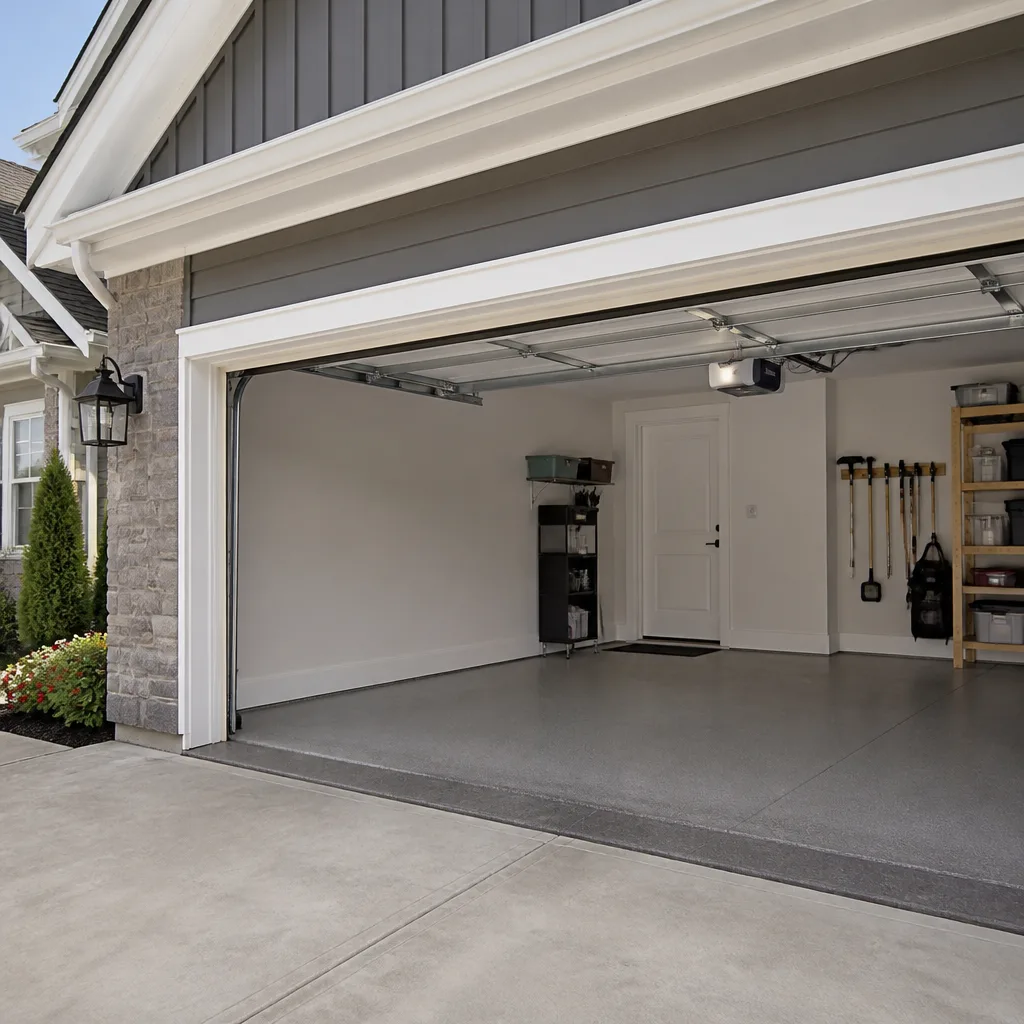 LiftMaster openers
 Chamberlain openers
Full 25-point door and opener safety check with every visit - springs, cables, rollers, tracks, and your LiftMaster or Chamberlain opener included
You get a price before we start. It does not change when the truck arrives.
Get your free estimateGarage Door Repair Maintenance Schedule: What to Do and When
Garage door rollers typically fail after 10,000 to 15,000 cycles, not after one year. If your household opens the door four times a day, you’ll hit that threshold in under seven years, and no amount of annual lubrication will change that math. Most maintenance guides in Whittier still treat garage doors like they need one springtime checkup and nothing else. That approach leaves the parts most likely to fail unmonitored for months at a time. This guide gives you a part-specific schedule that matches inspection frequency to actual wear cycles, so you know exactly what to look at, when to look at it, and what to do when you find something wrong.
Quick Answer
A garage door needs a tiered maintenance schedule, not one annual tune-up: 5-minute visual checks every month, lubrication and safety tests every quarter, and a full professional inspection once a year. The exact timing depends on how many cycles your door runs, which you can calculate from your daily open-and-close habits. In Whittier’s dusty climate with periodic Santa Ana winds, nylon rollers and weather seals wear faster than average, so those two components should get extra attention during monthly checks.
Styles & brands we work with
- Raised-panel steel
- Carriage house
- Modern flush
- Full-view glass
- LiftMaster openers
- Chamberlain openers
Table of Contents
- Why Cycles Matter More Than Calendar Months
- The 5-Minute Monthly Visual Check
- Quarterly Lubrication and Safety Tests
- The Annual Professional Inspection
- How Whittier’s Climate Changes the Schedule
- Component Lifespans and Replacement Windows
- The Financial Case for Proactive Replacement
- Common Mistakes to Avoid
- When to Call a Professional
- Frequently Asked Questions
Why Cycles Matter More Than Calendar Months
A garage door’s wear is measured in cycles, not years. One cycle is a full open and a full close. Every time your door completes that motion, the springs flex, the rollers spin, the cables wind and unwind, and the opener motor runs through its full range. Those components are rated for a specific number of cycles before they fail. The calendar is a poor proxy for that because two households in Whittier can have wildly different usage patterns. A family with two working adults and two teenage drivers might open the door 10 times a day. A retired couple might open it twice.
Here’s how to calculate your approximate annual cycles:
- Count how many times the door opens and closes on an average day. Four opens plus four closes equals four cycles, not eight.
- Multiply that number by 365.
- Divide the cycle rating of any component by that annual number to get its expected lifespan in years.
A household that opens the door four times a day racks up about 1,460 cycles per year. A standard torsion spring rated for 10,000 cycles would last about 6.8 years. A premium spring rated for 20,000 cycles would last closer to 13.7 years. Rollers with 15,000-cycle bearings would fail in about 10 years at that usage rate. None of those numbers line up neatly with an annual service calendar, which is why a tiered schedule makes more sense. We’ve seen doors in Whittier where the springs looked fine at month 10 and snapped at month 14 because the household simply used the door more than the average.
Write down your cycle estimate once and keep it near the garage door opener. When you know you’re putting 2,000 cycles a year on the door instead of 1,000, you can move your inspections forward and plan replacements before failure rather than after it.
The 5-Minute Monthly Visual Check
This is the part of the schedule most homeowners skip, and it’s the part that catches problems early enough to keep repair costs low. The monthly check takes five minutes and requires no tools. You’re looking for changes from last month, not performing repairs. If you find something, take a photo with your phone so you have a reference point and can track whether it worsens.
Set a recurring phone reminder for the first weekend of every month. Here’s the exact sequence:
- Watch the door open and close from inside the garage. You’re listening for grinding, squealing, or rattling that wasn’t there before.
- Look at the weather seal along the bottom of the door. Run your hand along it and feel for cracks, flattening, or gaps where daylight shows through.
- Check the side weatherstripping where the door meets the frame. In Whittier, Santa Ana winds push fine dust against these seals, and that grit abrades the rubber faster than you’d expect.
- Inspect the rollers visually. Look for wobble as the door moves, and check whether any roller wheels look chipped or cracked.
- Examine the cables on both sides of the door. They should be taut and evenly wound. Fraying or loose strands are a red flag.
- Check the track for rust, debris, or bends. A dirty track is normal; a bent track is not.
- Open and close the door manually using the emergency release. The door should move smoothly and stay in place when you stop halfway. If it drops or drifts, the springs may be losing tension.
The monthly check is visual only. If you spot something that looks wrong, that’s when you call for garage door repair rather than trying to adjust it yourself. Cables and springs are under high tension, and the injury risk from attempting a DIY fix on either component is real. A visual inspection is safe. A repair attempt is not.
Quarterly Lubrication and Safety Tests
Every three months, set aside 30 minutes for the tasks that actually prevent failure, not just detect it. This is where you add lubrication and verify that the safety systems work the way the manufacturer intended. Skipping this quarterly routine is the most common reason we see opener motors burn out early and rollers chew through their bearings before their rated cycle life.
Lubrication sequence, top to bottom:
- Rollers: Apply a small amount of white lithium grease or a garage door-specific lubricant to the ball bearings inside each roller, not the wheel surface. If your rollers are nylon with sealed bearings, skip them; sealed bearings are factory-lubricated for life.
- Hinges: A drop of oil at each pivot point keeps the door from squeaking and reduces friction on the opener motor. This is especially important on older doors with steel hinges.
- Torsion spring: Spray the spring with a garage door lubricant, not WD-40. WD-40 is a solvent, not a long-term lubricant, and it will strip the light coating that prevents surface rust.
- Track: Do not grease the track. The rollers need friction against the track to turn properly. Greasing the track attracts dust and creates a paste that actually accelerates roller wear. Clean the track with a dry cloth, and that’s it.
- Auto-reverse test: Place a 2×4 flat on the ground in the door’s path and close the door. The door should reverse within two seconds of contacting the board. If it doesn’t, the opener’s force setting needs adjustment or the unit needs repair.
- Sensor alignment check: Close the door, then wave your hand through the beam between the two photo-eye sensors near the floor. The door should stop and reverse immediately. If it doesn’t, the sensors may be misaligned from a bump, covered in dust, or failing.
- Balance test: This one is so important it deserves its own mention. Disconnect the opener with the emergency release and lift the door halfway by hand. A properly balanced door stays put. If it drops, the springs are weak. If it shoots upward, the springs are over-tensioned. Either way, the springs are doing the lifting work, not the opener motor.
- Checking spring tension with a winding bar and confirming both springs are balanced to each other, not just to the door
- Measuring cable wear where the cable rides over the drum, which is the point where strands start to separate
- Verifying opener force settings against the manufacturer’s spec for your specific model
- Inspecting the mounting points, brackets, and bolts for loosening that happens over thousands of cycles
- Testing the auto-reverse mechanism under controlled conditions
- Evaluating the weather seal and replacing it if compression is uneven
- Torsion springs: Rated for 10,000 to 20,000 cycles depending on the spring quality. At 1,500 cycles per year, that’s roughly 7 to 13 years. When the springs are within 20% of their rated life, start pricing a replacement.
- Extension springs: Older doors may use these instead of torsion springs. They typically have a shorter life, around 5 to 7 years of average use. If your door has two springs and one has snapped, replace both.
- Rollers: Steel rollers with ball bearings last 10,000 to 15,000 cycles. Nylon rollers with sealed bearings can last twice that, but Whittier’s dust can cut into the advantage of exposed-bearing nylon. Replace rollers when they wobble visibly or the door gets noisy.
- Cables: Cables last as long as the springs they support, but they can fray before the spring fails. Inspect the area where the cable wraps around the drum every month. Fraying means replacement now, not later.
- Weather seal: The bottom seal typically lasts 3 to 5 years in Whittier’s heat. Side seals last longer but get abraded by dust during Santa Ana wind events. Replace when you see daylight under the door.
- Opener motor and drive system: A chain-drive opener lasts roughly 10 to 12 years with proper maintenance. Belt-drive units often run 15. If your opener is making a new sound, the motor or drive gear is the first thing to check.
- Lubricating the track. Greasing the track attracts the very dust that Whittier has in abundance, and the resulting paste accelerates roller wear. Clean tracks are dry tracks. Lubricate the bearings and hinges, not the rail.
- Ignoring the balance test. If your door drops when you release it manually, the springs are failing, and the opener is absorbing the extra load. Every month you ignore that is a month of wear on the motor and drive gear.
- Replacing only one spring on a two-spring door. A matched pair of springs cycles together. Replacing one means the old spring is still near failure, and the new spring is doing more work. Replace both, always.
- Using WD-40 on moving parts. WD-40 is a water displacer and solvent. It cleans, but it doesn’t lubricate. Use white lithium grease on bearings and a silicone-based lubricant on springs.
- Skipping the monthly photo-eye check. A dusty sensor in a Whittier garage causes false reversals or a door that won’t close at all. The fix is a quick wipe with a dry cloth, but only if you know that’s the problem. Most people assume the opener failed.
- Waiting for a total failure to call for repair. A noisy roller or a slow-opening door is an early warning. Fixing the issue at that stage costs less than repairing the damage that follows when the component fails completely.
- Attempting DIY spring or cable work. The springs on a garage door are under extreme tension even when the door is closed. A mistake with a winding bar causes serious injury. This is the one area where we always recommend a trained professional over a YouTube tutorial.
Safety tests, every quarter:
The balance test is the single best early warning system for spring failure. A spring that’s losing tension will cause the opener to work harder, which shortens the motor’s life. If your door won’t hold its position halfway, that’s a signal to have the springs evaluated before they snap. The same logic applies to your opener system. A struggling motor is a garage door opener repair waiting to happen, and catching it early usually means a smaller fix than replacing the whole unit.
The Annual Professional Inspection
Once a year, a trained technician should go over the entire system with the door off the opener and under load. The annual inspection covers everything the monthly and quarterly checks do, plus the measurements and adjustments that require experience and specialty tools. This is not a task to DIY, and it’s not the same thing as a tune-up that simply adds lubrication and sends you on your way.
A proper annual inspection includes:
In Whittier, we recommend scheduling this inspection before the hottest stretch of the year, around March or April. Heat expands metal, and a door that’s marginally out of balance in spring will be noticeably worse by August when the tracks and springs have been baking in the sun. Getting ahead of that prevents the classic mid-summer failure that leaves a door stuck half-open in 90-degree heat. If your system is nearing the end of its rated cycle life, the inspection is also the right time to plan a proactive spring or roller replacement instead of waiting for the emergency.
How Whittier’s Climate Changes the Schedule
Whittier’s climate is mild, but it has two characteristics that accelerate specific wear points. The first is dust. The air here carries fine particulate much of the year, and the Santa Ana winds push that dust into every crevice of a garage door system. The second is heat. Summer temperatures regularly climb into the 90s, and that heat affects metals and plastics differently than it does in cooler coastal towns.
Dust is the enemy of nylon rollers with exposed bearings. The fine grit works its way into the bearing races and acts like sandpaper, wearing the nylon down and creating the wobble you see before the roller fails entirely. If you live in a Whittier neighborhood close to open hillsides, like Friendly Hills or the eastern edge of the city, your rollers are exposed to more dust than homes in the more developed central corridors. That doesn’t mean you need to replace rollers more often; it means you need to check them more often. Dust also accumulates on the photo-eye sensors. A layer of fine powder can dim the beam enough to trigger false reversals, which is a common call we get from Whittier homeowners who think their opener is dead when it’s actually just a dirty sensor.
The heat affects weather seals and torsion springs. Rubber seals lose flexibility in sustained heat, and a seal that’s already cracked from UV exposure will start letting daylight and dust through faster. Torsion springs are rated for cycles, but heat accelerates surface corrosion, especially on lower-cost springs without a good protective coating. Your quarterly lubrication routine helps here. A light coat of the right lubricant keeps the spring surface protected and reduces the friction that heat worsens. The annual inspection matters more in Whittier than in cooler climates because a full summer of heat and dust does more cumulative wear than a mild coastal year.
Component Lifespans and Replacement Windows
Every part of a garage door has a predictable service life. Knowing those windows lets you plan replacements instead of reacting to breakdowns. Here are the components that matter most, with the replacement timing that applies to most households in Whittier.
The twelve to fifteen moving parts all wear at different rates, which is exactly why a single annual tune-up doesn’t work. The monthly check catches roller and cable issues. The quarterly routine extends spring and opener life. The annual inspection confirms that everything is functioning as a system before one component’s failure cascades into another’s.
The Financial Case for Proactive Replacement
The math favors planned replacement, and it’s not close. When a torsion spring snaps, the door cannot open. In most cases, you’re also unable to get your car out of the garage, which means you’re dealing with a same-day repair call, often during a peak heat day in Whittier when the spring fails from thermal stress combined with fatigue. The repair itself is straightforward for a trained technician, but the timing is never convenient.
Replacing springs proactively at the end of their rated cycle life means you choose the day, you get the written estimate before any work starts, and you avoid the secondary costs of an emergency: missed work, a stranded car, and in some cases damage to the opener motor that struggles against a snapped spring. A motor that works against a broken spring can burn out its drive gear in a matter of days, turning a spring replacement into a spring replacement plus an opener repair. The cost of a proactive spring replacement is a fraction of a spring replacement plus an opener motor replacement plus the inconvenience of a door that won’t move.
Rollers follow the same logic. Replacing a wobbling roller set is inexpensive compared to what happens when a roller seizes and drags against the track. That drag bends the track, and then you’re replacing track sections along with the rollers. Seized rollers are also the leading cause of door-off-track incidents that make the door inoperable and require immediate attention. Planned replacement avoids that entire chain.
The same principle applies to the door and opener system as a whole. If you’re reaching the point where multiple components are nearing end of life, it may be more economical to evaluate whether a Garage Door Service Whittier inspection points toward targeted repairs or a full replacement. Our approach is simple: we work on the brand you already have. Whether it’s a Genie opener, a Clopay door, or a Wayne Dalton setup, we diagnose what’s actually wrong and fix that, not what’s convenient for us to sell. No brand loyalty required, just the repair that makes sense.
Common Mistakes to Avoid
When to Call a Professional
Some jobs on this schedule are genuinely DIY: the monthly visual check, cleaning the photo-eye sensors, testing the auto-reverse, and lubricating accessible parts. Others are not. If you see a frayed cable, hear a loud bang from the spring area, or notice the door is suddenly heavier to lift manually, stop using the door and call for professional help. A snapped cable or broken spring can make the door unpredictable, and unpredictable garage doors cause injuries. If the opener motor is grinding, if the door reverses on its own repeatedly, or if the door is off its track, those are also professional territory. The technicians at Garage Door Service Whittier offer free estimates in Whittier. Call (877) 752-8607 and we’ll give you a written price before any work starts.
Frequently Asked Questions
A garage door should get a 5-minute visual check every month, a lubrication and safety test routine every quarter, and a full professional inspection once a year. The monthly check catches early wear on rollers, cables, and seals. The quarterly routine extends spring life and confirms the safety systems work. The annual inspection catches the deeper issues that only show up under load.
Monthly visual checks cost nothing, and a can of garage door lubricant runs about $10 and lasts for years. A professional annual inspection in Whittier is typically priced by the service provider, and many companies offer it as part of a broader tune-up. Call (877) 752-8607 for a free estimate, and we’ll give you a written price before any work begins.
A torsion spring’s life depends on cycles, not years. A standard spring rated for 10,000 cycles lasts about 7 years at 1,500 cycles per year. A premium spring rated for 20,000 cycles lasts closer to 13 years. The exact number depends on how often your household opens and closes the door.
Close the door, then wave your hand through the beam between the two photo-eye sensors near the floor. The door should stop and reverse immediately. If it doesn’t, the sensors may be misaligned, covered in dust, or failing. Whittier’s dust makes dirty sensors a common problem, and a dry cloth often fixes the issue.
Yes, you can lubricate the rollers, hinges, and torsion spring yourself using white lithium grease on the bearings and a silicone-based lubricant on the spring. Do not lubricate the track itself, and use a garage door-specific lubricant rather than WD-40. The quarterly routine takes about 20 minutes and makes a measurable difference in how long components last.
The door feels heavy when you lift it manually, it drops when you release it halfway, the springs look stretched or have visible gaps in the coils, or the door opens unevenly. Any of these signs means the springs are losing tension. Call (877) 752-8607 for an inspection, and address it before the spring snaps and strands your car in the garage.
The Bottom Line
A garage door has twelve to fifteen moving parts that wear at different rates, which means a single annual tune-up leaves the most failure-prone components unmonitored for too long. The schedule that actually works is simple: 5-minute visual checks every month, lubrication and safety tests every quarter, and a professional inspection once a year. Use your cycle count to time component replacements before they fail, and account for Whittier’s dust and heat, which accelerate wear on rollers and seals. The value is in the routine, not the repair. When something does need attention, call (877) 752-8607. We answer 24/7. Fast dispatch from 7am to 7pm, Sunday through Friday.
Written by the team at Garage Door Service Whittier, serving Whittier since 2013.
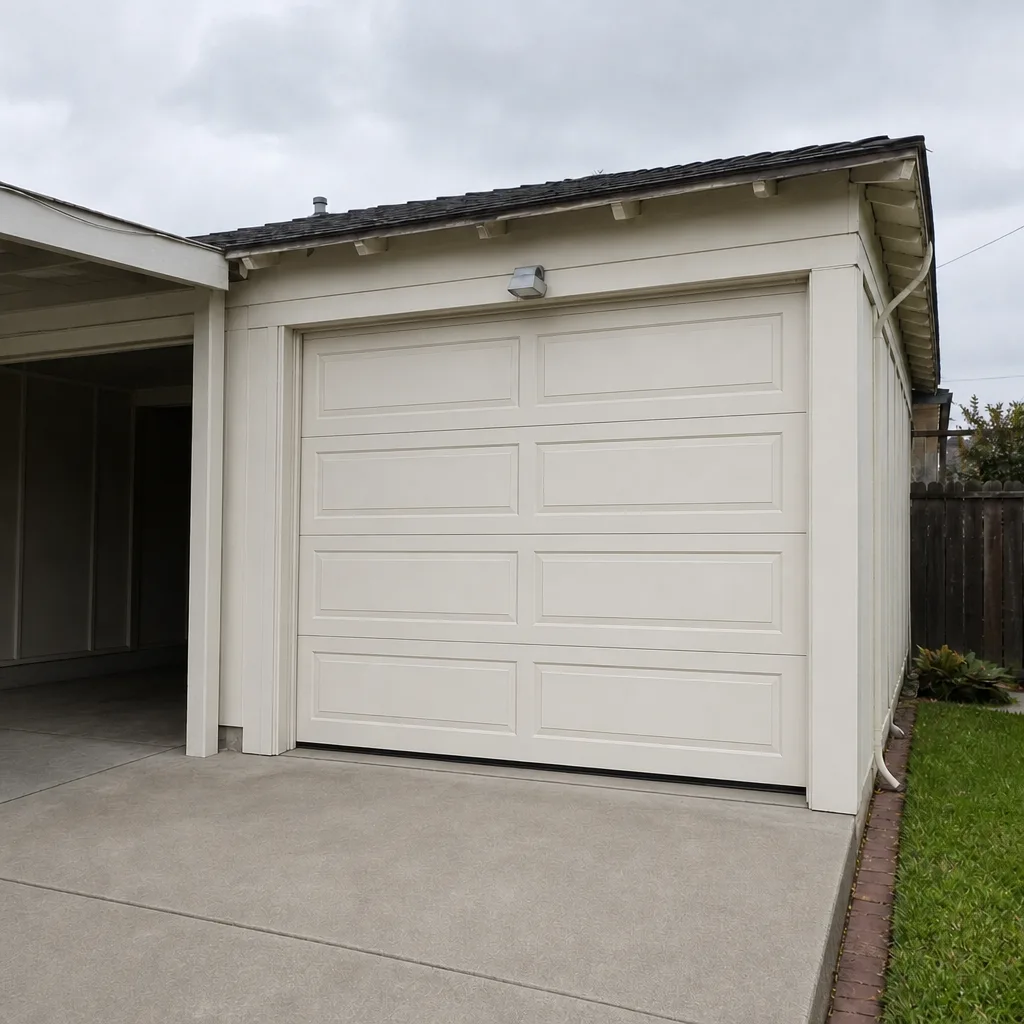
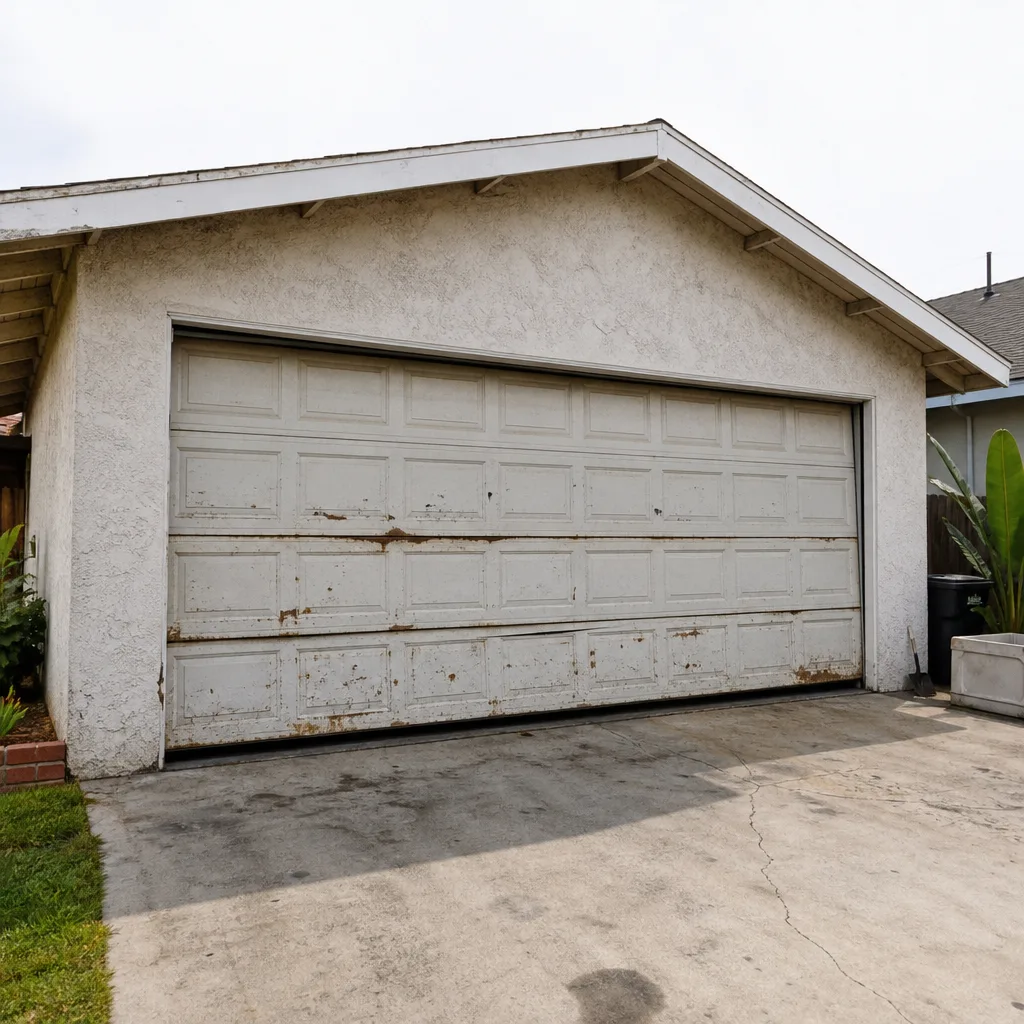
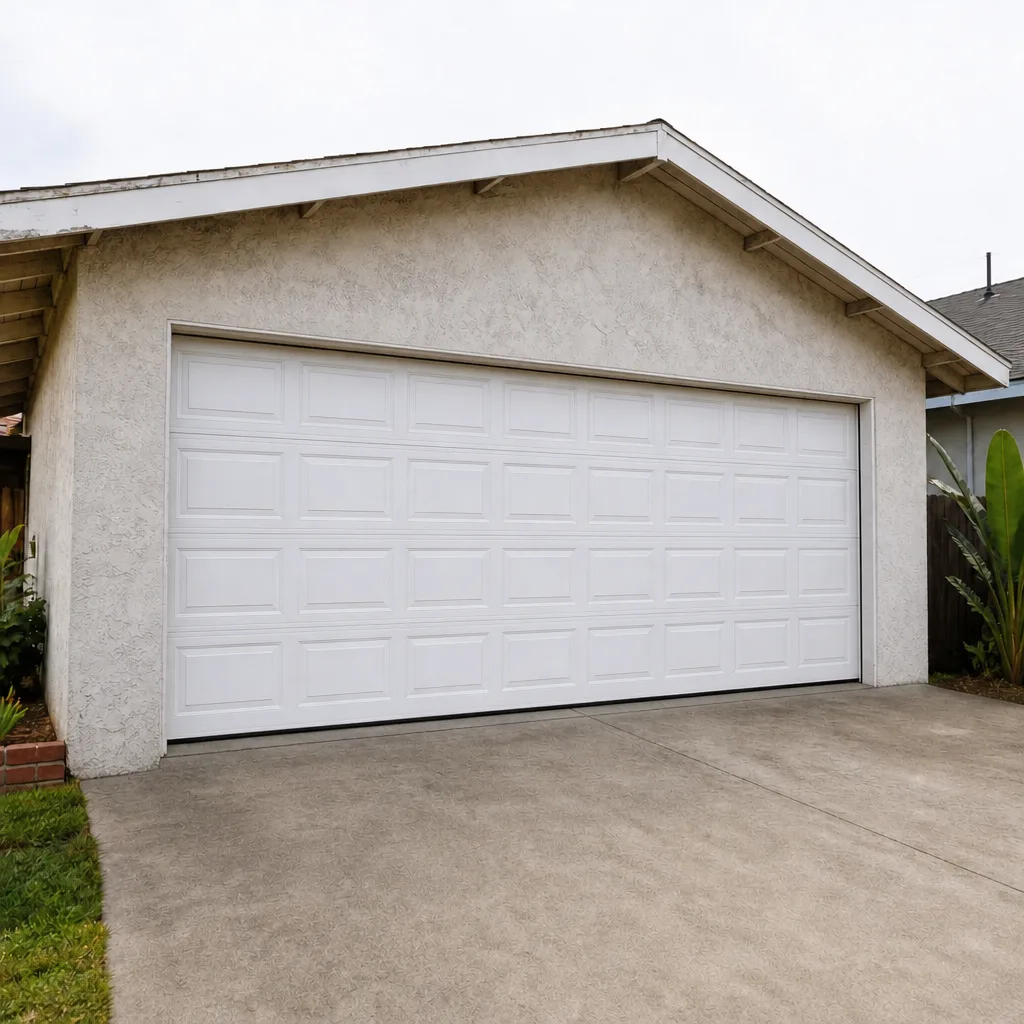
See the difference
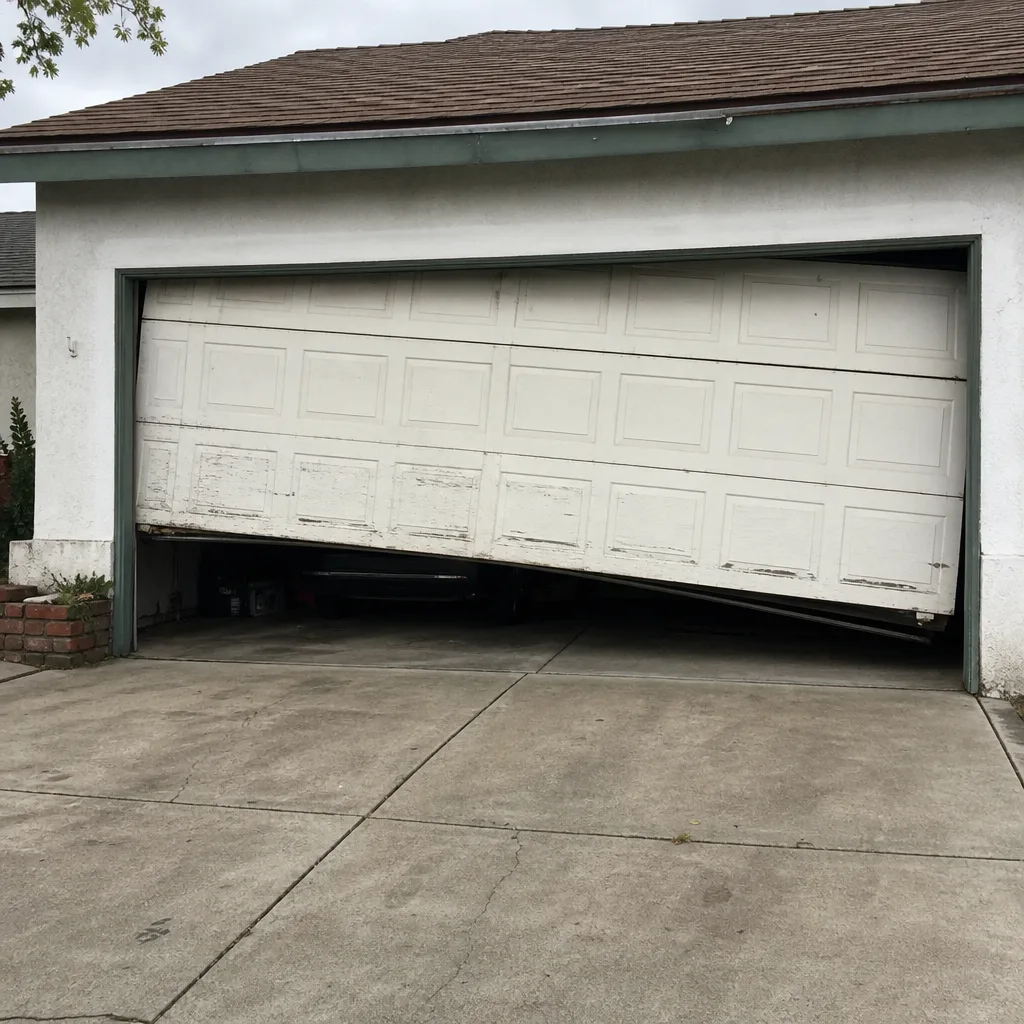 Before
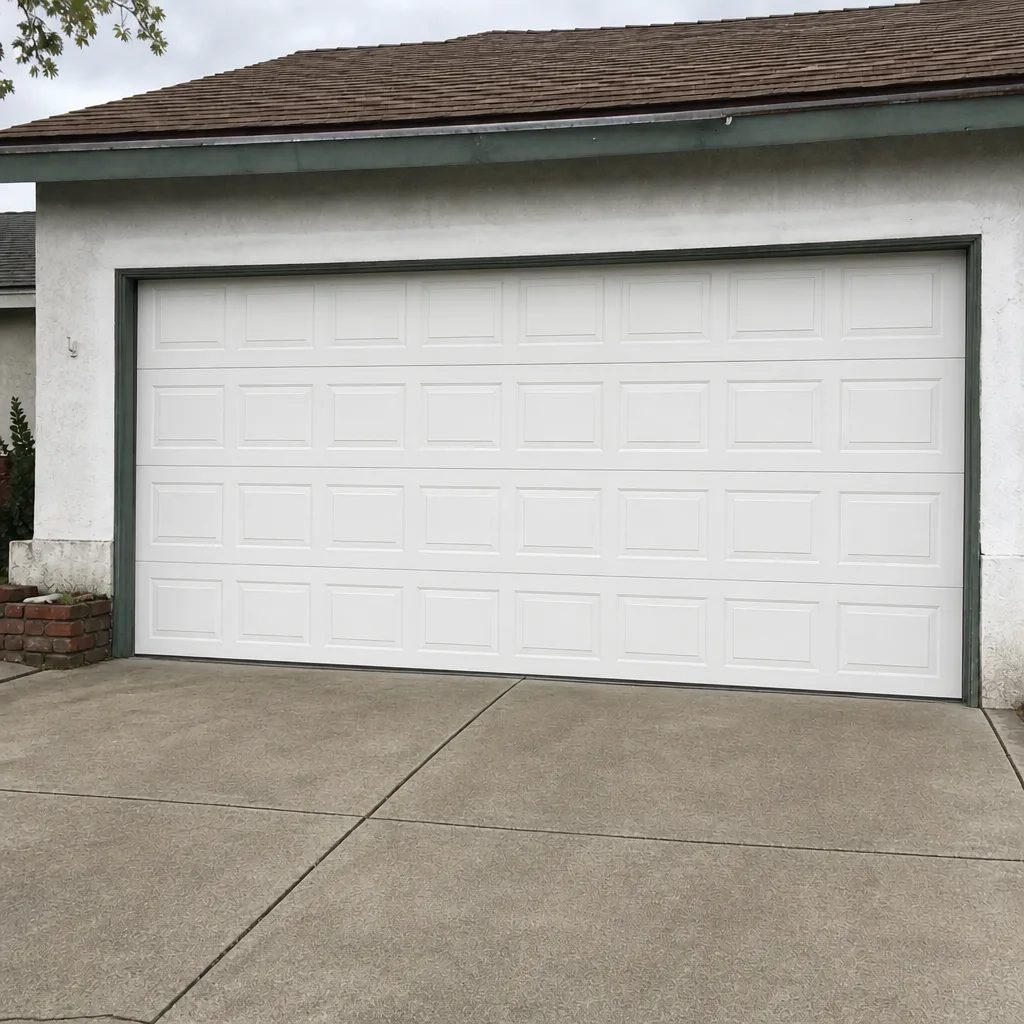 After
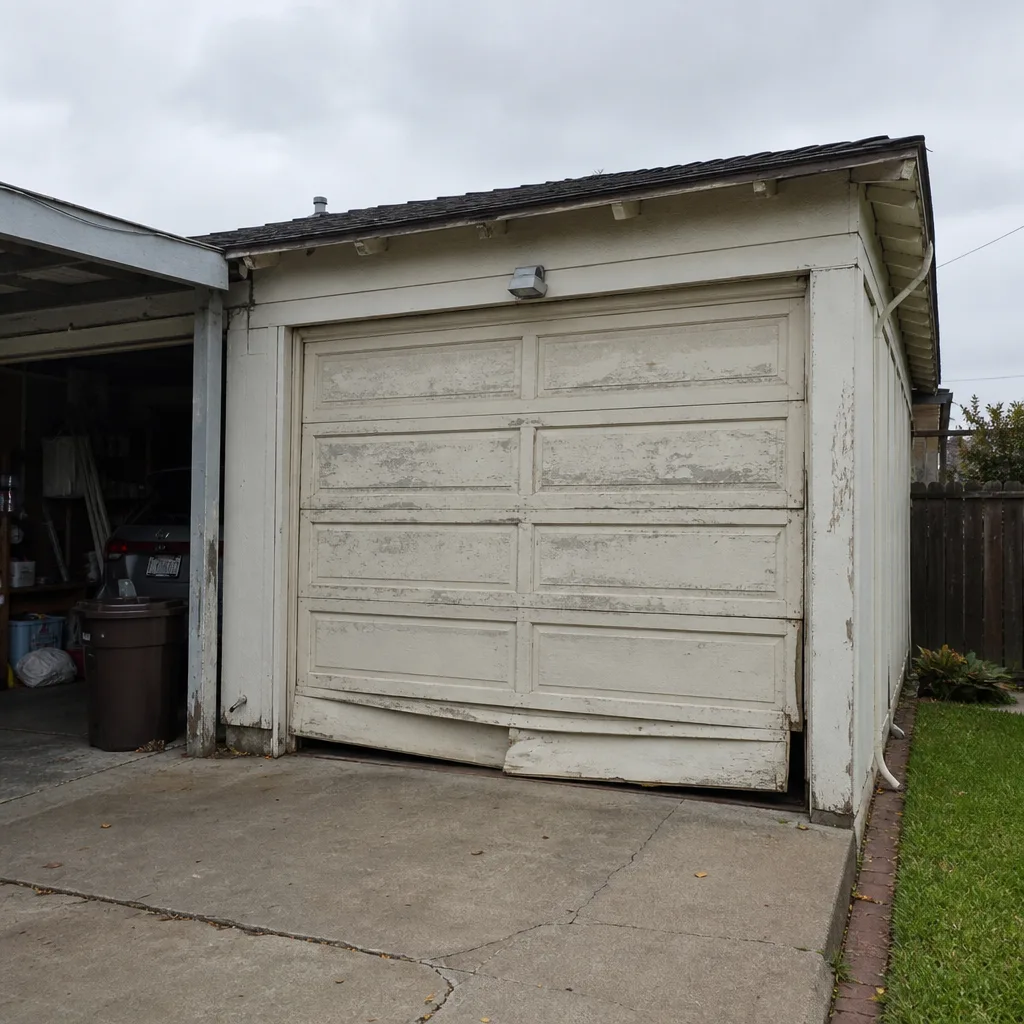 Before
 After
 Before
 After