
Last updated November 4, 2026
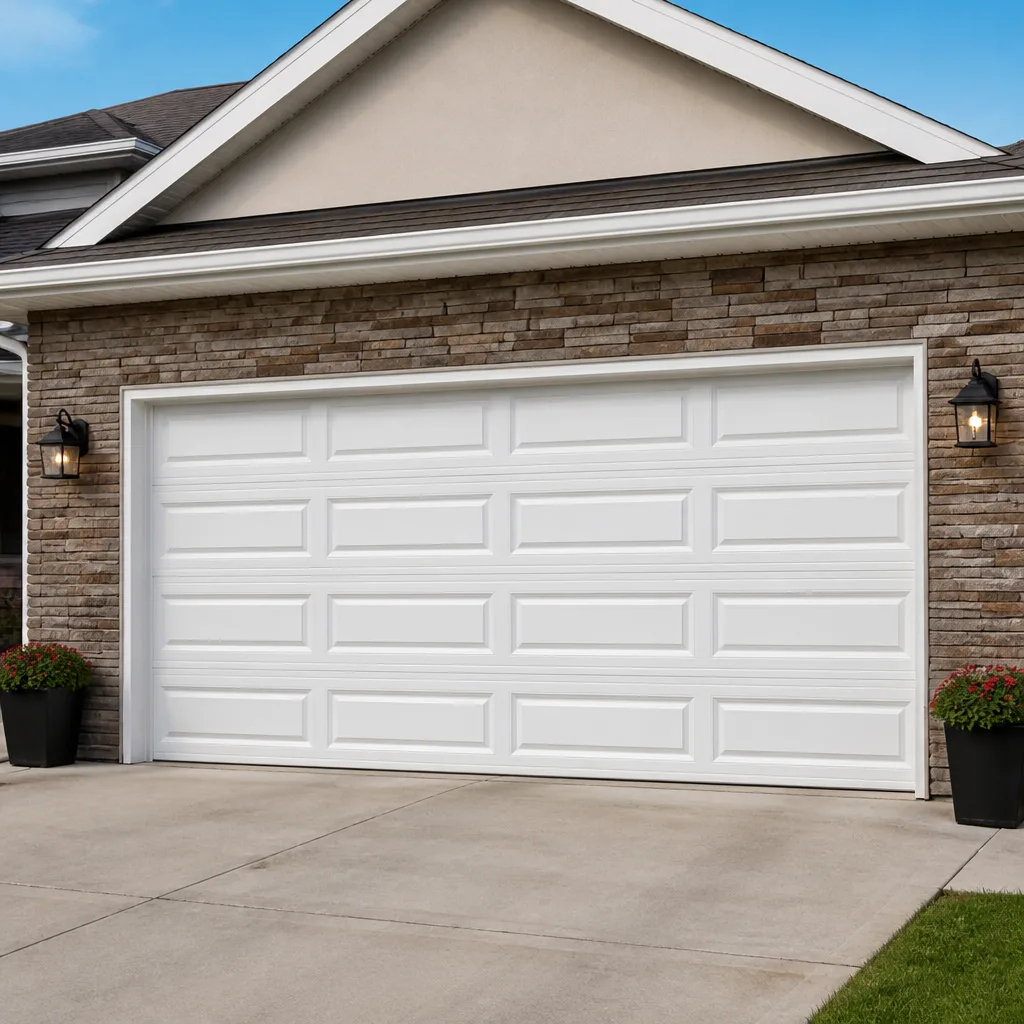 Raised-panel steel
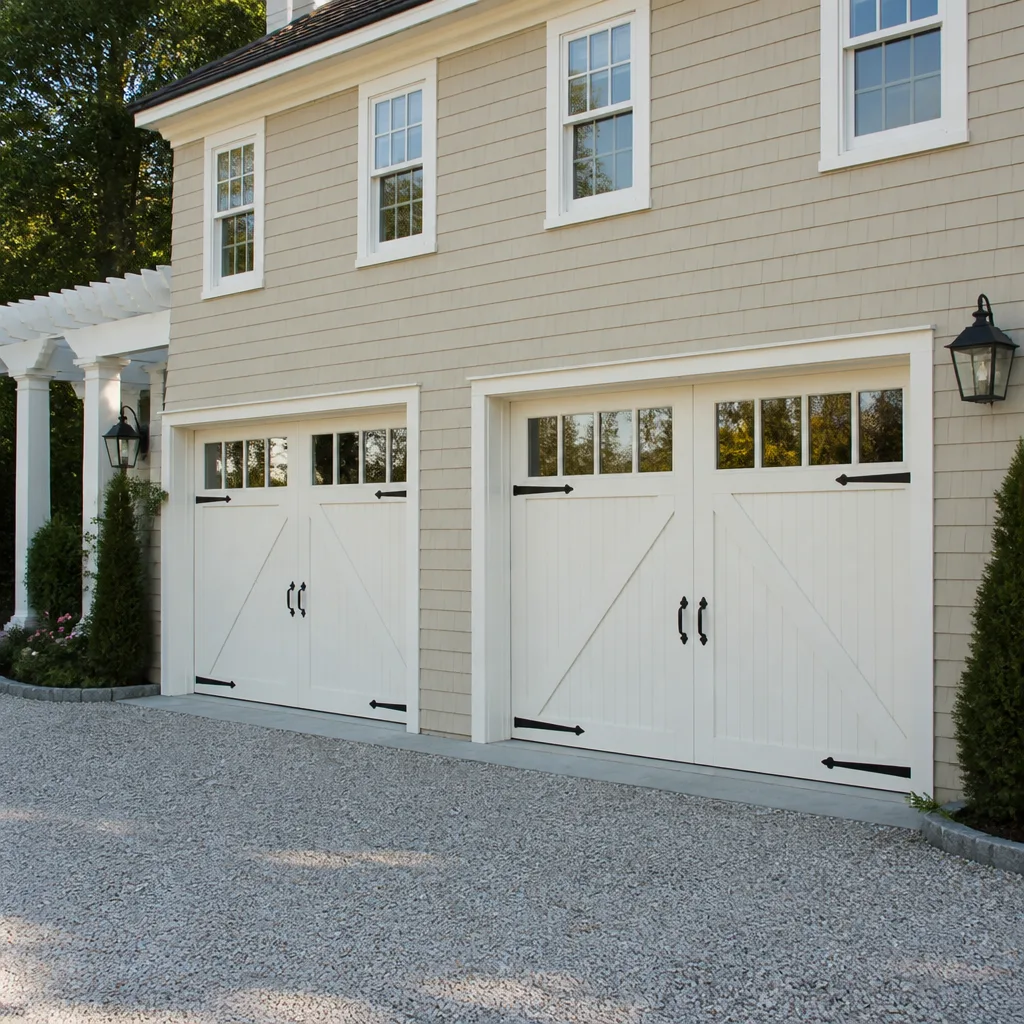 Carriage house
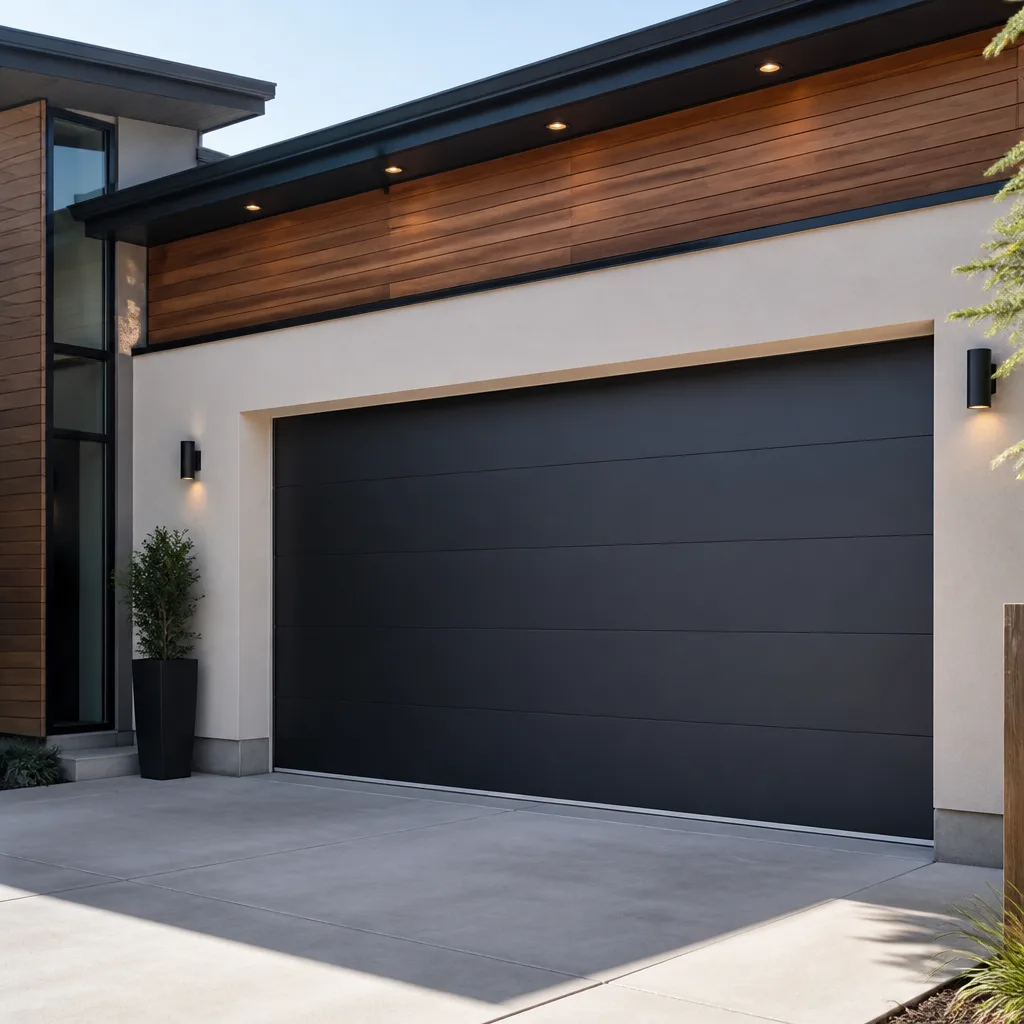 Modern flush
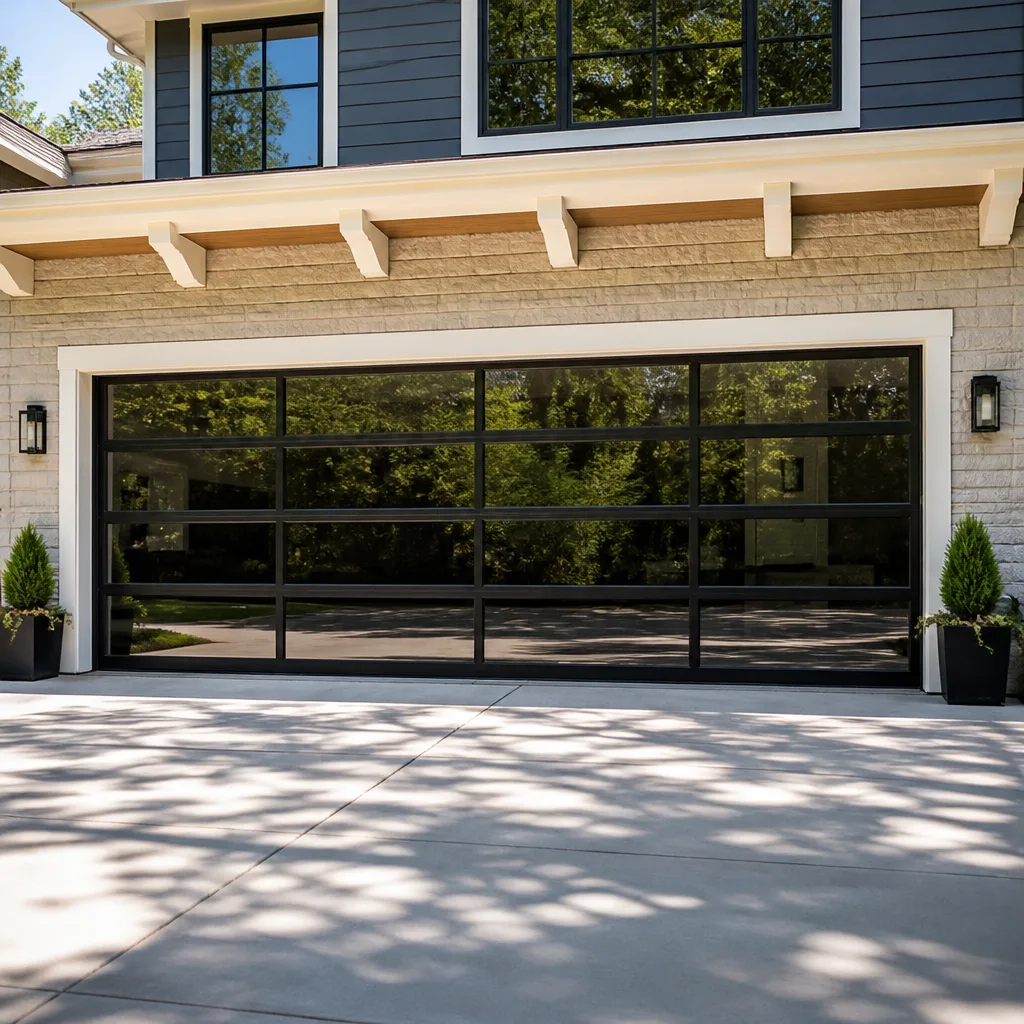 Full-view glass
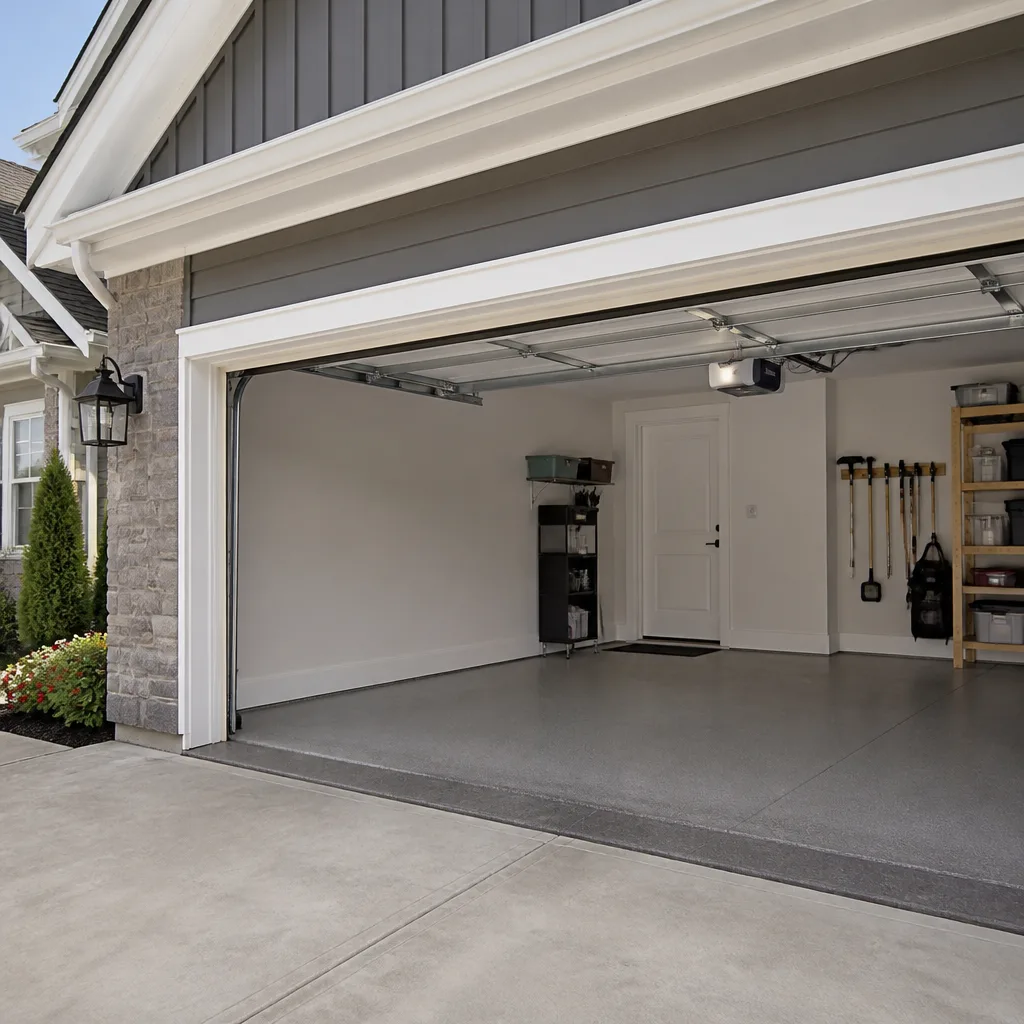 LiftMaster openers
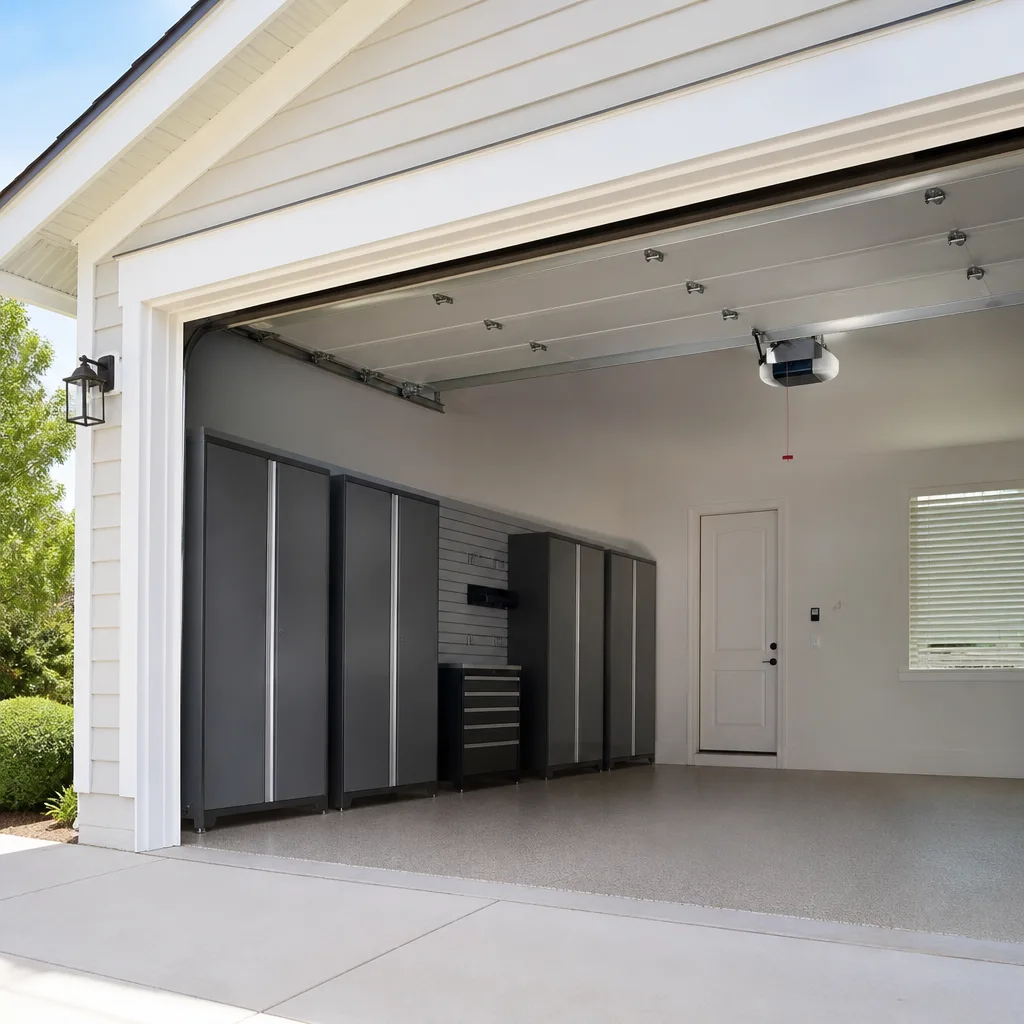 Chamberlain openers
Full 25-point door and opener safety check with every visit - springs, cables, rollers, tracks, and your LiftMaster or Chamberlain opener included
You get a price before we start. It does not change when the truck arrives.
Get your free estimateGarage Door Repair Troubleshooting in Whittier: Common Problems and How to Fix Them
A garage door that reverses before it closes is not broken. It is doing exactly what it was designed to do. The obstruction sensor near the floor saw something in the beam path, or the limit switch misread the door’s position, and the opener responded the only way it knows how: by stopping and reversing. That distinction matters because homeowners in Whittier regularly pay to replace openers and springs when the real issue was a dirty sensor lens or a misaligned track. This guide describes the five mechanical categories every garage door problem falls into, so you can diagnose what is happening before you pick up a screwdriver or a phone.
Styles & brands we work with
- Raised-panel steel
- Carriage house
- Modern flush
- Full-view glass
- LiftMaster openers
- Chamberlain openers
Quick Answer
Most garage door problems in Whittier fall into one of five categories: power or opener issues, obstruction sensor faults, spring and cable tension failures, track or roller misalignment, and limit switch or force setting errors. Start by checking the power source and the sensor lenses, because those two fixes solve roughly half of all no-open and reverse-before-close calls without a single part replacement. If the door is heavy to lift by hand, stop and call a technician: that means a spring has failed, and spring work is dangerous.
Table of Contents
- The Symptom Map: What the Door Does Tells You Where to Look
- Door Won’t Open: Power, Opener, and Lockout Issues
- Door Reverses Before Closing: Sensors and Limit Switches
- Snapped Spring or Heavy Door: The One Problem You Should Not Fix Yourself
- Grinding, Squealing, or Rattling: Track, Roller, and Hinge Noise in Whittier
- Door Moves Slowly or Stalls Mid-Travel: Force Settings and Balance
- Opener Error Codes on LiftMaster, Chamberlain, and Genie Units
- Common Mistakes to Avoid
- When to Call a Professional
- Frequently Asked Questions
- The Bottom Line
The Symptom Map: What the Door Does Tells You Where to Look
We have found that the fastest way to misdiagnose a garage door is to start with a part instead of a behavior. The door itself gives you a clear signal every time: it opens, it closes, it hesitates, it reverses, it makes noise, or it moves at the wrong speed. Each behavior points to a different mechanical category. Mapping the symptom first keeps you from replacing a circuit board when the issue was a dead battery in the wall button, which happens more often than anyone wants to admit.
Here is the decision tree we use when a homeowner calls us in Whittier:
- Door does nothing when you press the button or remote: power, opener lockout, or remote signal issue.
- Door opens but reverses before reaching the floor: obstruction sensor fault, or limit switch set too low.
- Door lifts a few inches and stops, or is very heavy by hand: spring failure or cable drum problem.
- Door opens partway and stops, then reverses: track obstruction, bent roller, or force setting too sensitive.
- Door moves but is loud: worn rollers, loose hinges, dry track, or opener gear wear.
- Door moves slowly or jerks: force adjustment, balance, or opener motor strain.
Whittier’s climate plays a role in two of these categories. The temperature swings between cool San Gabriel Valley mornings and warm inland afternoons cause metal parts to expand and contract slightly. We see more track alignment drift and more limit switch calibration drift in Whittier than homeowners in more stable coastal air would. Dust from the surrounding hills and dry inland conditions also settles on sensor lenses and inside track channels. That dust alone accounts for a meaningful share of the reversal and slow-motion calls we get across Whittier.
Door Won’t Open: Power, Opener, and Lockout Issues
When a garage door does nothing at all, the problem is almost never the door. It is the opener, the power feeding the opener, or a safety lockout that has engaged. Start with the simplest checks before touching any mechanical component.
- Verify the opener has power. Check whether the opener’s small LED light is on. If it is dark, check the outlet the opener plugs into. Many Whittier garages have a GFCI outlet shared with other items, and a tripped GFCI kills the opener without any other sign.
- Check the lock button on the wall console. LiftMaster and Chamberlain wall panels have a lock or vacation mode. If that button was pressed by accident, the remotes stop working even though the wall button still functions.
- Replace remote batteries. If the wall button opens the door but the remote does not, the remote battery is the prime suspect. This is the most common opener-related fix we see across every brand.
- Confirm the door is not manually disconnected. The red emergency release cord hanging from the trolley disconnects the door from the opener. If someone pulled it, the opener will run but the door will not move.
- Check the breaker. A tripped breaker in the main panel kills the opener entirely. Reset it once, and if it trips again, call a technician rather than resetting repeatedly.
For garage door opener repair issues that go beyond battery and power checks, the next step is listening to the opener. A humming sound with no movement usually means a stripped gear inside the motor housing, a problem we see on Chamberlain and LiftMaster units that are seven to ten years old. A clicking sound with no motor run points to a failed capacitor or a bad circuit board. Both of those require opening the motor unit, which we do not recommend for homeowners because the capacitor holds a charge even when unplugged.
Door Reverses Before Closing: Sensors and Limit Switches
A door that reverses right before touching the floor is the single most misunderstood symptom in garage door work. Homeowners assume the opener is failing. In most cases, the opener is working perfectly. It is responding to a sensor that thinks something is under the door, or a limit switch that thinks the door has already reached the floor.
Here is the sequence to check, in order:
- Clean both sensor lenses. The two photo-eye sensors sit on either side of the door, about six inches off the ground. Dust, spider webs, and even a single leaf can block the infrared beam. Wipe each lens with a dry cloth. This single step fixes a large share of reversal calls in Whittier because of the dry, dusty air that settles on lenses.
- Confirm the sensors are aligned. Each sensor has a small LED light. On most brands, both lights should be solid. If one is blinking or off, the beam is not reaching the other sensor. Nudge the sensor housing gently until the light stays solid.
- Check the sensor wiring. If one sensor has no light at all, the low-voltage wire to that sensor may have pulled loose. Look at the back of the sensor where the wire enters.
- Check the limit switch adjustment. If the sensors are clean and aligned but the door still reverses, the open or close limit may be set too low. The opener thinks the floor is higher than it actually is. On LiftMaster and Chamberlain openers, the limit is adjusted through the control panel or a small dial on the motor unit.
This is a safe troubleshooting sequence. None of these steps involves touching a spring or cable, and none of them requires opening the motor unit. If the reversal continues after all four checks, the issue is likely a failing logic board or a worn limit switch contact, and that is garage door repair work for a technician.
Snapped Spring or Heavy Door: The One Problem You Should Not Fix Yourself
Here is the test that tells you if a spring has failed: pull the red emergency release cord and try to lift the door by hand. A properly balanced garage door should lift with moderate effort and stay open by itself around waist height. If the door feels like dead weight, or if you cannot lift it at all, a torsion or extension spring has broken.
Springs counterbalance the full weight of the door. On a standard two-car garage door in Whittier, that could be 150 to 250 pounds of steel, wood, or composite panel. When a spring snaps, all of that weight is on you and the opener motor. The opener was never designed to carry that load, which is why a door with a broken spring often opens a few inches and then stalls.
The three repairs that have injured homeowners attempting DIY work are all spring-related:
- Torsion spring replacement. The spring sits on a shaft above the door and is wound under extreme tension. One wrong move with a winding bar releases that tension instantly and can break bones or worse.
- Cable drum rewinding. The cables that lift the door wrap around drums at each end of the torsion shaft. If a cable slipped off, the drum still holds spring tension. Rewinding a cable without releasing the spring first is how fingers get caught and crushed.
- Bottom bracket removal. The bottom brackets anchor the lifting cables to the bottom of the door. They are under full cable tension. Removing a bottom bracket on a door with any spring tension left is one of the most dangerous things a homeowner can attempt.
No troubleshooting guide written by a responsible technician will walk you through spring replacement steps. The correct fix is to call a company that does this work daily. We work on the brand you already have, which means we replace springs on Wayne Dalton, Clopay, Amarr, and every other door brand without pushing you toward equipment you do not need.
Grinding, Squealing, or Rattling: Track, Roller, and Hinge Noise in Whittier
Noise is the easiest symptom to ignore and the easiest to fix early. A loud garage door is a talking door. It tells you where the wear is before the wear becomes a failure. The three most common noise sources follow a pattern: grinding is metal on metal, squealing is a dry or failing roller bearing, and rattling is a loose hinge or track bolt.
Here is what each sound usually means:
- Grinding when the door moves: the track is dry, or a roller has flat-spotted and is dragging instead of rolling. In Whittier, dust from the San Gabriel Valley accelerates this because it mixes with the existing track lubricant and creates a gritty paste.
- Squealing or high-pitched whine: a roller bearing is failing. Nylon rollers wear quietly until the bearing inside gives out, then they squeal. Steel rollers squeal sooner.
- Rattling while the door is moving or closed: hinge bolts have backed out, or the track brackets have loosened from the wall. This is more common in Whittier homes with wood framing, where years of small vibrations work bolts loose.
- Popping or banging when the door starts moving: the spring is binding, or a section joint is stiff. This one deserves attention before it becomes a spring failure.
Track work is sometimes safe for a homeowner to address. You can wipe the inside of each vertical and horizontal track with a dry rag to remove dust and grit. You can tighten visible bolts on the track brackets with a socket wrench. You should not attempt to bend a track back into shape if the track is visibly dented or kinked; that track needs to come out and be replaced or straightened on a bench. And never loosen the track brackets that hold the door in place while the door is under spring tension.
For persistent noise after cleaning and tightening, call a technician for garage door repair. A roller swap or hinge replacement is quick, inexpensive, and makes the door quiet again. Garretts and rollers wear out, and Whittier’s dry air does not do them any favors.
Door Moves Slowly or Stalls Mid-Travel: Force Settings and Balance
A door that opens or closes at roughly half speed, or hesitates partway through its travel, is usually fighting something. The opener has a motor that can only push so hard, and when the door becomes harder to move, the opener bogs down. There are two causes: the door is out of balance, or the opener’s force settings are too low for the door’s weight.
To tell which one you are dealing with, run the manual disconnect test again. Pull the red cord and move the door by hand.
If the door is heavy or hard to move by hand, the balance is off. The springs have lost tension over time, or a roller has seized. Both conditions force the opener to work harder, and the opener responds by moving slower and stalling. This is a spring or roller issue, not an opener issue.
If the door moves smoothly by hand but slowly under opener power, the force setting may be dialed down too far. Openers have an up-force and down-force adjustment. When the force is set too low, the opener stops or reverses because it thinks it has hit an obstruction. On LiftMaster and Chamberlain units, force is adjusted through the wall control panel. On older Genie units, there are small dials on the motor housing.
One Whittier-specific note: temperature affects motor efficiency slightly. On a cold winter morning, the opener’s motor and the door’s springs are both stiffer than they were the afternoon before. If you notice the door moving slower on cool mornings, that is normal. If it moves slowly on a warm afternoon too, the issue is mechanical.
Force adjustment is a middle-ground repair. It involves buttons and dials, no springs or cables. But improper settings can make the door close too hard, which defeats the safety reversal system and creates a real hazard. If you are not sure how to check the setting, have a technician do it.
Opener Error Codes on LiftMaster, Chamberlain, and Genie Units
Modern openers try to tell you what is wrong through blinking lights and error codes. The problem is that every brand uses a different code, and most homeowners do not have the manual anymore. Here is how to read the most common signals from LiftMaster, Chamberlain, and Genie openers without digging through a drawer.
LiftMaster and Chamberlain (same parent company, similar codes):
- One flash: sensor wire issue or sensor blocked. Check the wiring at the back of each sensor.
- Two flashes: one sensor wire is shorted or reversed, usually at the opener terminals.
- Three flashes: the door was obstructed or the force setting tripped. Check for track obstruction and examine the door balance.
- Four flashes: sensor alignment problem. The beam is not reaching between the two photo eyes.
- Five flashes: the motor overheated. Let it cool for fifteen minutes and retry.
Genie:
- Red light blinking once: remote signal issue or low battery.
- Red light blinking twice: sensor misalignment or obstruction.
- Red light blinking three times: door travel limit needs reprogramming.
- Red light blinking four times: thermal overload. Wait fifteen minutes and retry.
These codes are starting points, not final diagnoses. A three-flash code on a LiftMaster unit could mean a track obstruction, a failing spring, or a door that the installer never balanced correctly. The code narrows the search but does not finish it. When the code points toward force or limit settings and the basic checks do not clear it, the right call is garage door opener repair from a technician who sees these codes daily.
One more note for Whittier homeowners with Chamberlain or LiftMaster units: the wall button itself has a small battery in some models. If the opener works from the remote but the wall button does nothing, the wall button battery is dead. That is a five-dollar fix you can do without any tools.
Common Mistakes to Avoid
- Replacing the opener when the spring is broken. A door that is heavy by hand has a spring problem, not a motor problem. A new opener cannot lift a dead door any better than the old one could. We see homeowners spend hundreds on an opener replacement in Whittier when a spring replacement was all that was needed.
- Adjusting the force settings before checking the balance. Force settings exist to keep the door safe, not to overcome a binding door. Crank the force up to power through a heavy door and you have disabled the safety reverse, which is the exact opposite of what you want.
- Lubricating the track. Garage door tracks are meant to be dry. The rollers move on bearings, not by sliding in the track. Greasing the track collects San Gabriel Valley dust and creates a grinding paste that wears out rollers faster.
- Ignoring a loud door. Noise is the early warning for every major garage door failure. A squealing roller becomes a seized roller. A rattling hinge becomes a broken hinge. A grinding sound becomes a cracked spring. Fix the noise and you fix the future breakdown.
- Pulling the emergency release with the door open. The red cord only disconnects the door so you can move it by hand. If the door is open and a spring breaks while the door is disconnected, the door falls. Only pull the release when the door is closed, and never walk under a door that is disconnected.
- Resetting a tripping breaker repeatedly. One reset is fine. If the breaker trips again, the opener is drawing too much current, and that is an electrical fault. Each reset buys you one more chance to have a real problem, and a repeatedly tripping breaker is how opener fires start.
When to Call a Professional
Some garage door problems are diagnostic puzzles you can solve on your own. Others are mechanical hazards that will hurt you if you handle them wrong. Call a technician when the door is heavy by hand, when a spring is visibly broken, when a cable is frayed or off its drum, when the track is bent, or when you have gone through the basic checks and the problem still does not make sense. Garage doors are all we do, and when a door is fighting you, the correct tool is experience, not determination.
Garage Door Service Whittier offers free estimates in Whittier. Call (877) 752-8607. We answer 24/7. Fast dispatch from 7am to 7pm, Sunday through Friday.
Frequently Asked Questions
Repair costs in Whittier depend on the part and its condition, but most repairs are priced per job by a written estimate. A simple sensor cleaning or track tightening is inexpensive, while a spring replacement costs more because it involves parts and labor under tension. Call (877) 752-8607 for an exact quote, and the price will be set before any work begins.
Yes, same-day service is available for most repairs in Whittier. Call (877) 752-8607. We answer 24/7. Fast dispatch from 7am to 7pm, Sunday through Friday.
The door reverses because the obstruction sensor beam is blocked, the sensors are out of alignment, or the close limit is set too low. Clean both sensor lenses with a dry cloth and confirm the small LED lights are solid before calling for repair. If the reversal continues after those checks, the limit switch or logic board needs attention.
Pull the red emergency release cord with the door closed and try to lift the door by hand. If the door is very heavy or will not lift, a spring has failed. Do not attempt to replace the spring yourself; the tension in a wound spring can cause serious injury. Call a technician.
The number of flashes tells you what the opener sees as wrong. One or four flashes usually means a sensor issue, while three flashes points to an obstruction or a force setting trip. Clean and align the sensors first, then call a technician if the code does not clear.
Some opener issues, like remote batteries, wall button batteries, and dirty sensor lenses, are safe and simple to fix. Opener issues involving internal gears, capacitors, or circuit boards require opening the motor unit, which we do not recommend for safety reasons. Start with the simple fixes, then call a pro for anything inside the motor housing.
The Bottom Line
Garage door troubleshooting in Whittier comes down to watching what the door does before you touch anything. A reversal points to sensors, a heavy door points to springs, noise points to rollers and hinges, and slow movement points to balance or force settings. Fix the simple things yourself: batteries, sensor lenses, visible track bolts. Leave spring, cable, and motor work to a technician who works on the brand you already have. Most doors can be diagnosed in minutes and repaired the same day. When the simple fixes do not work, call (877) 752-8607 and get a free estimate before you spend another afternoon guessing.
Written by the team at Garage Door Service Whittier, serving Whittier since 2013.
See the difference
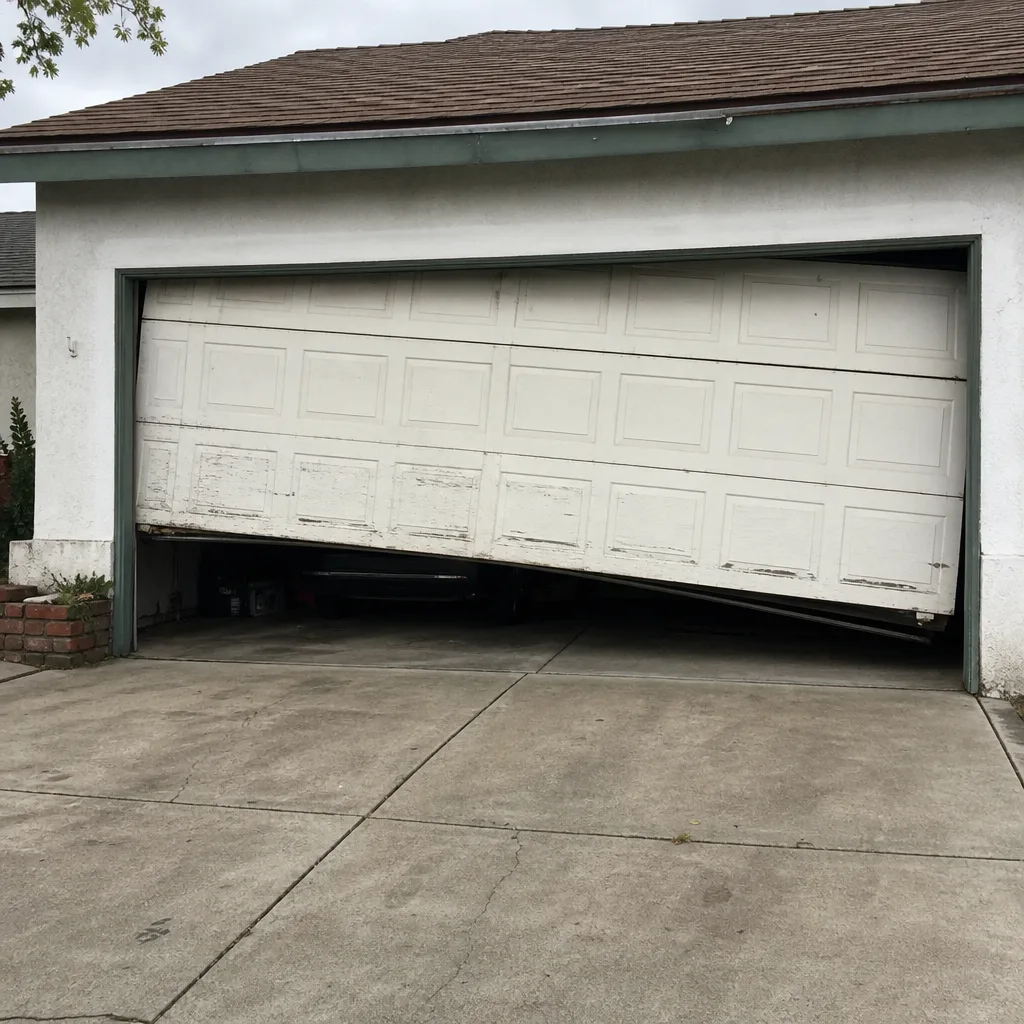 Before
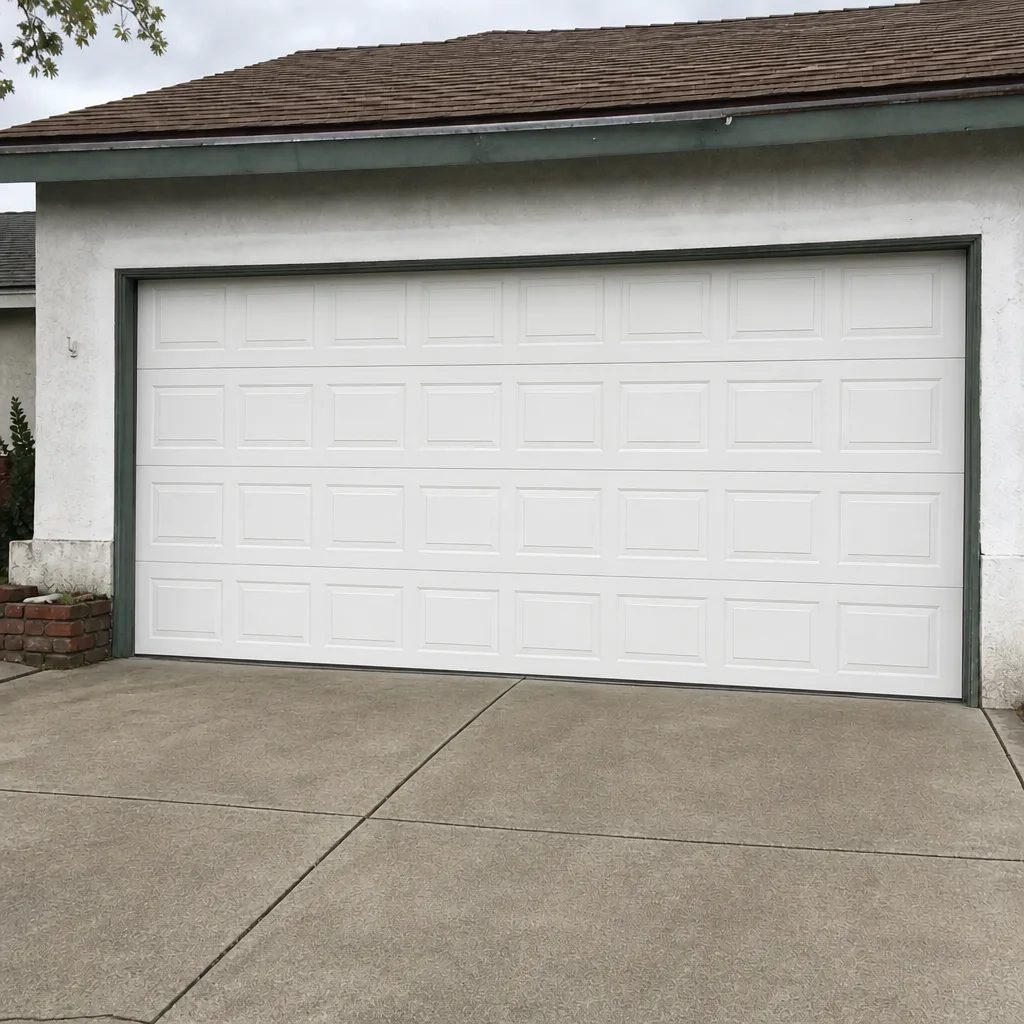 After
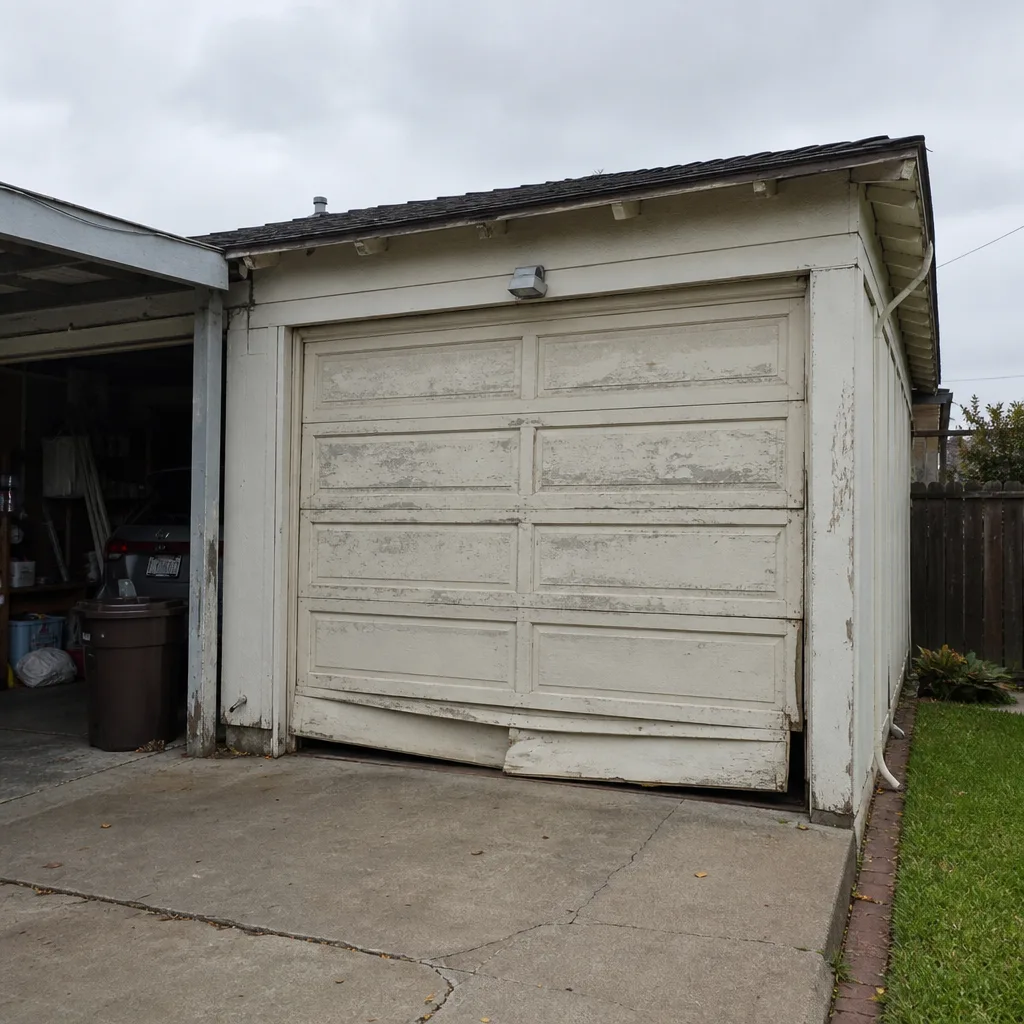 Before
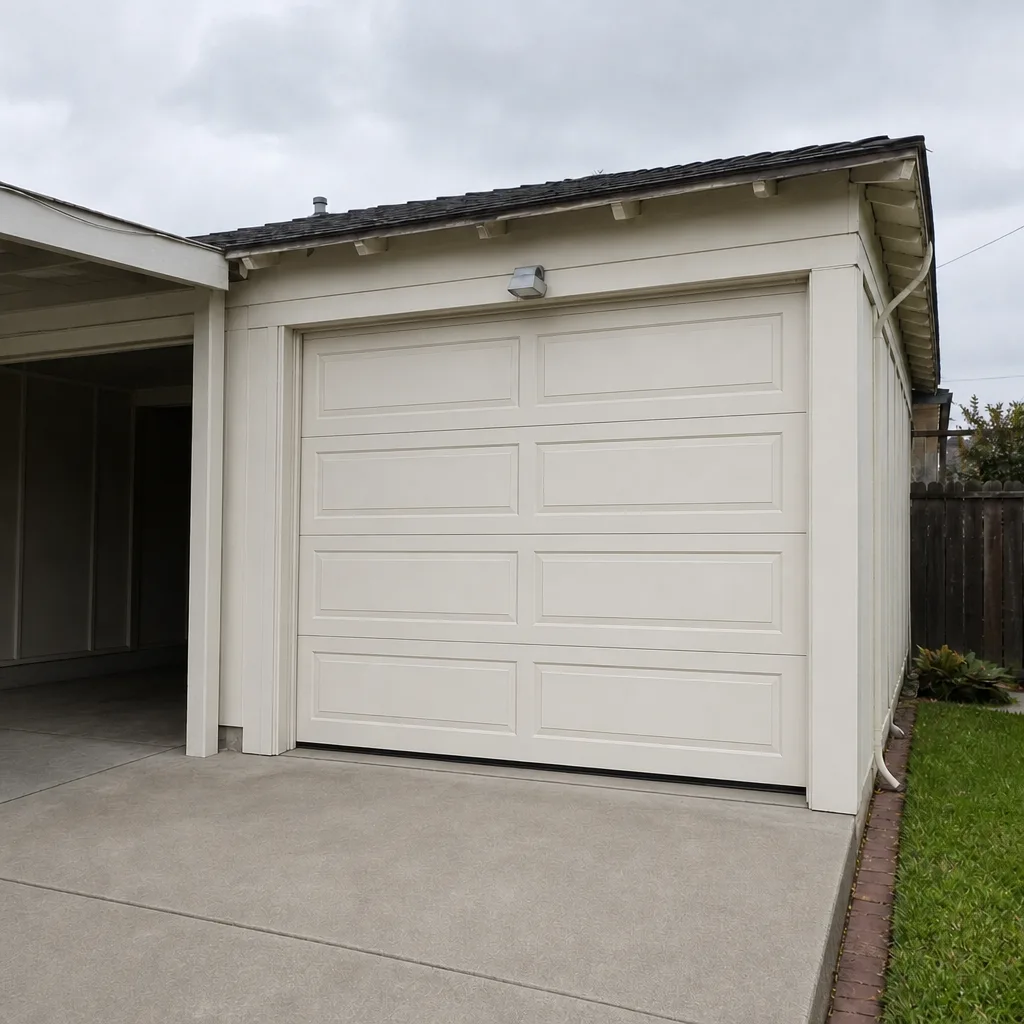 After
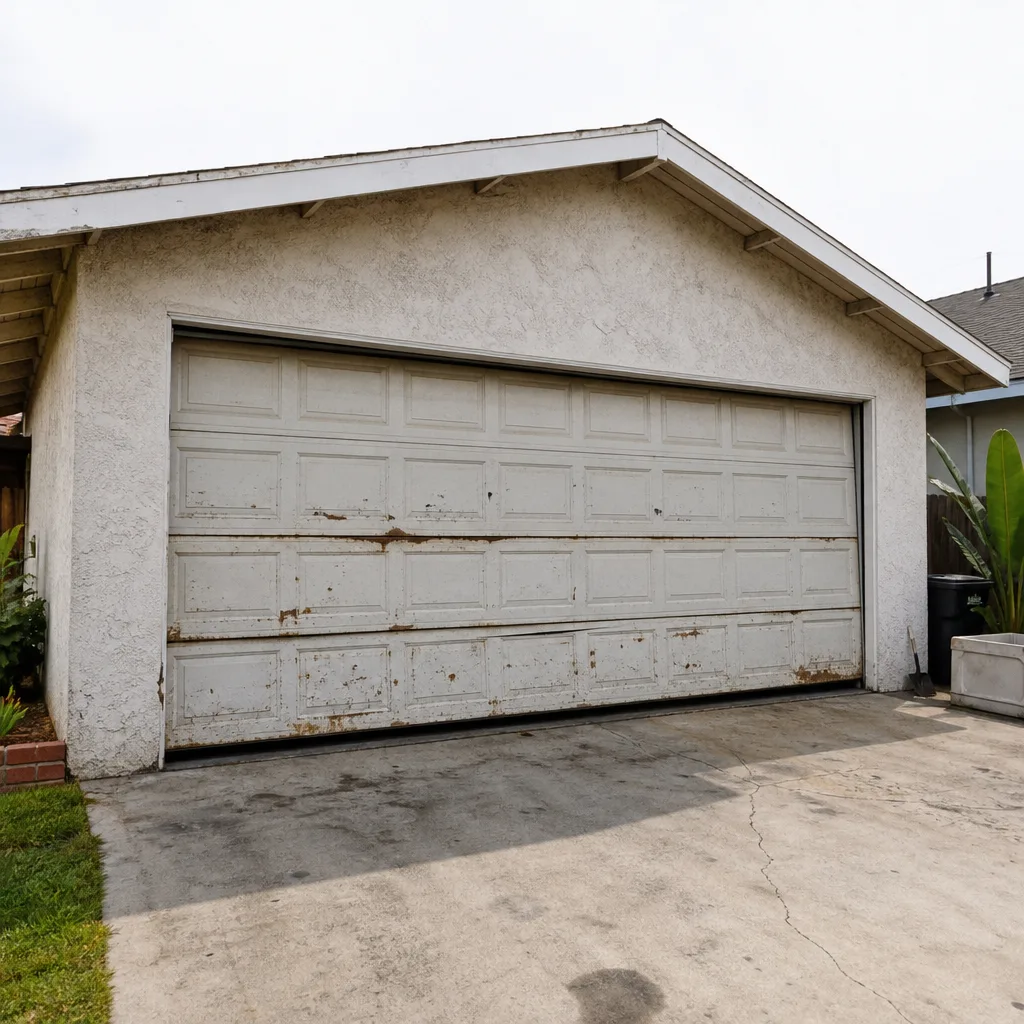 Before
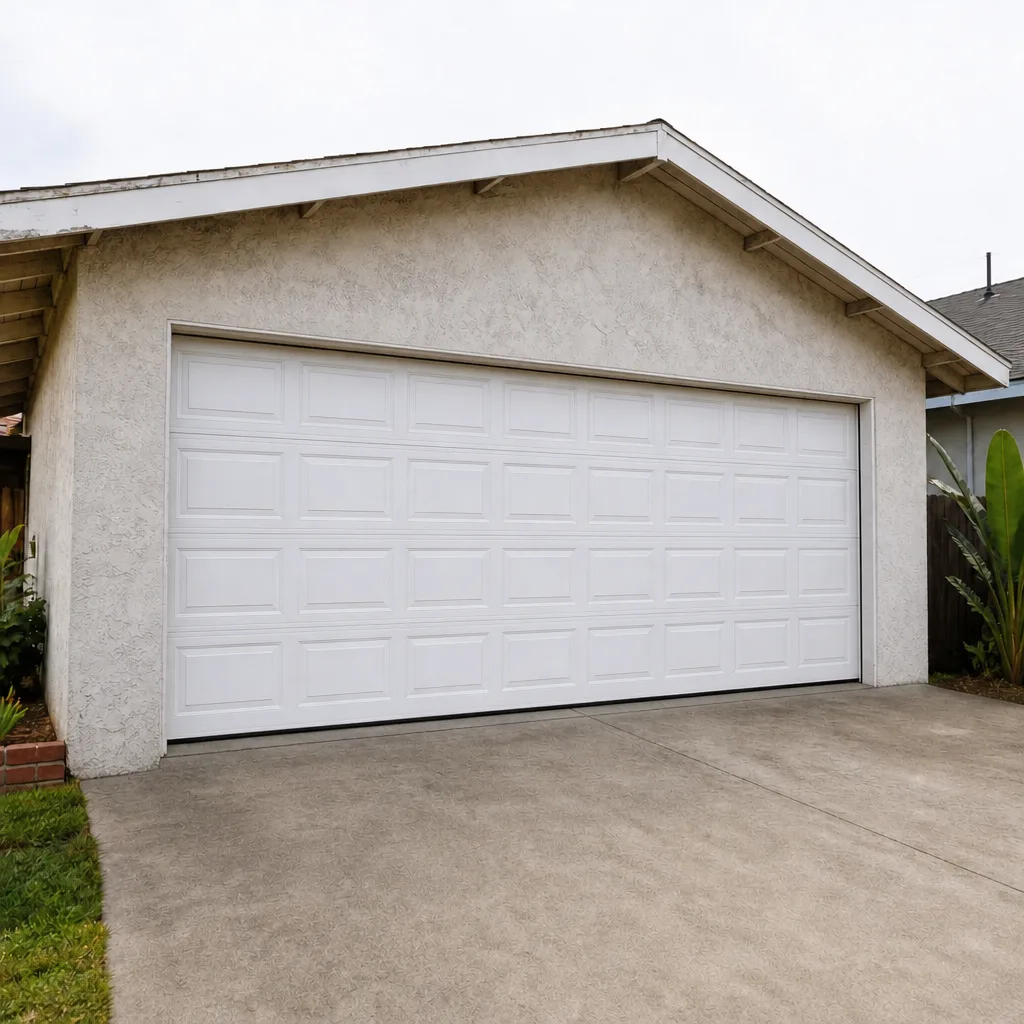 After