
Last updated November 4, 2026
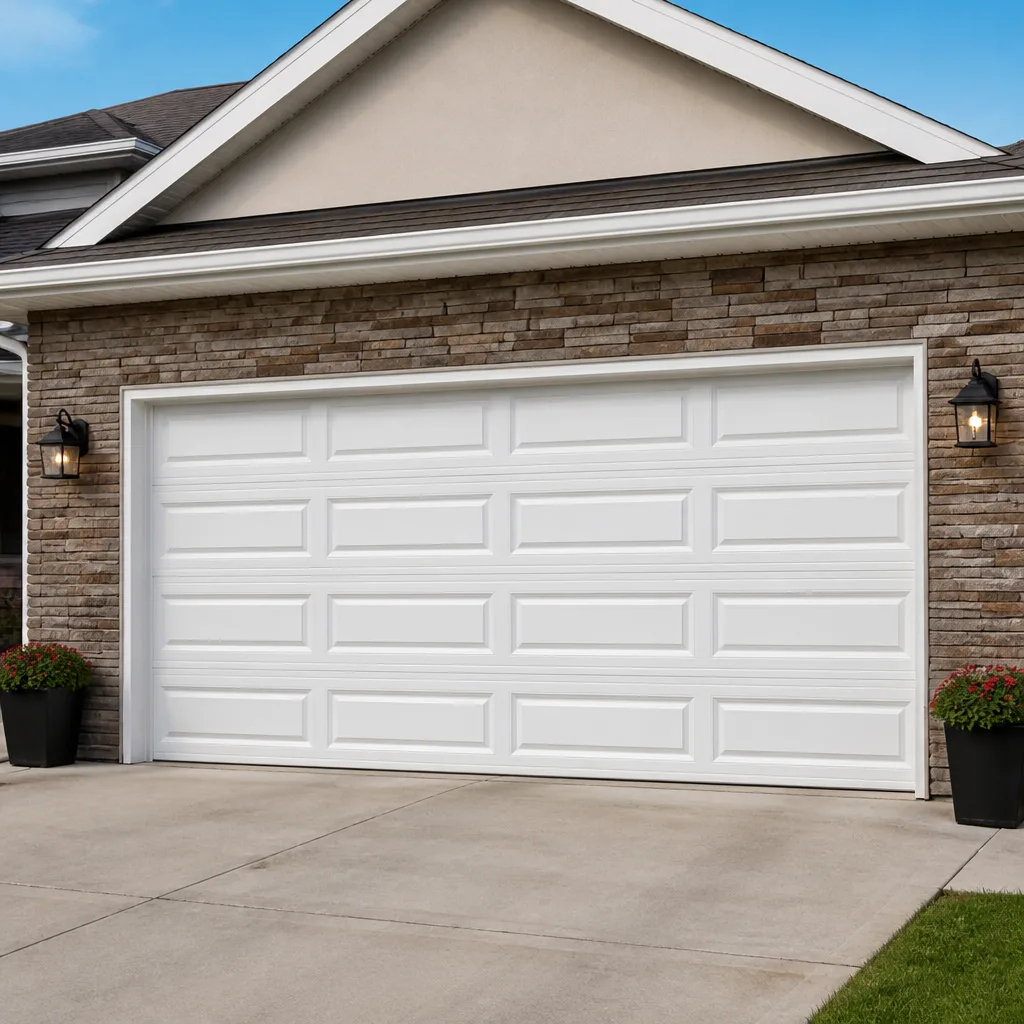 Raised-panel steel
 Carriage house
 Modern flush
 Full-view glass
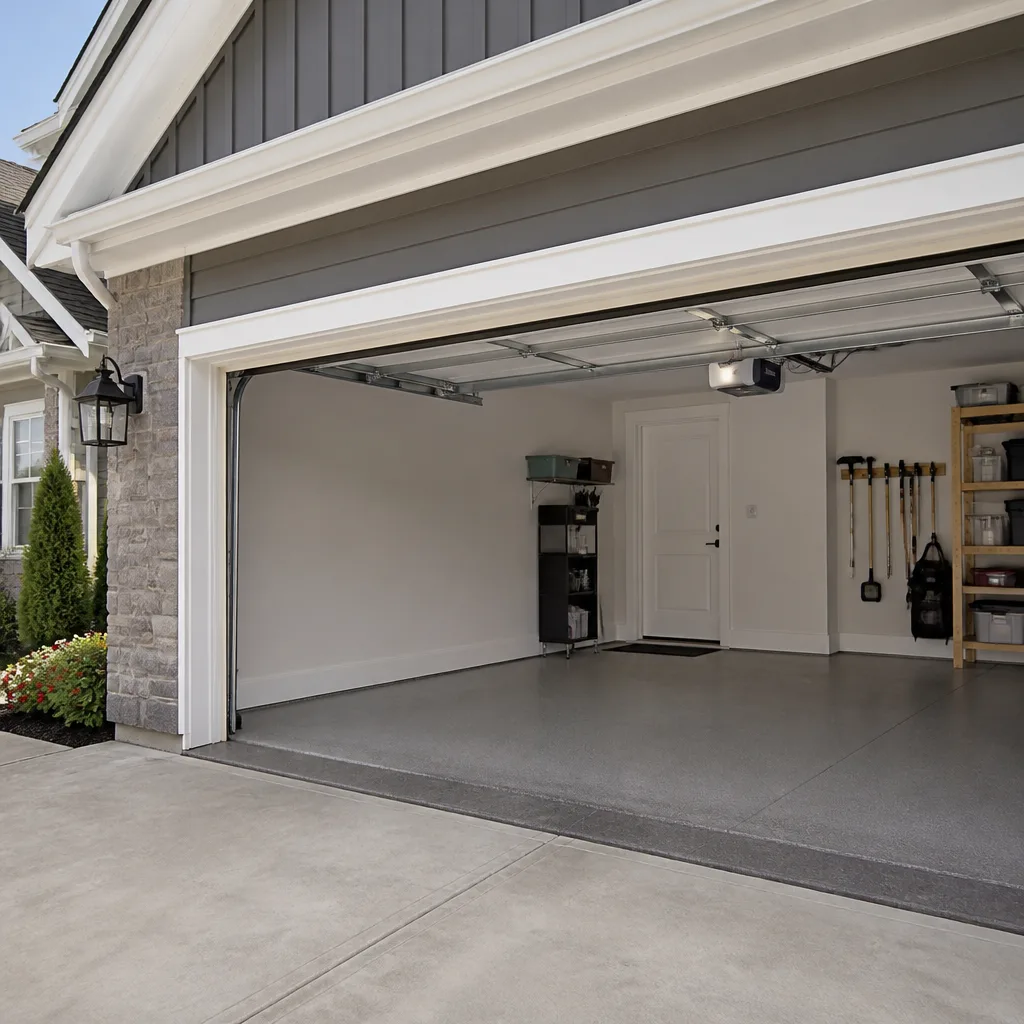 LiftMaster openers
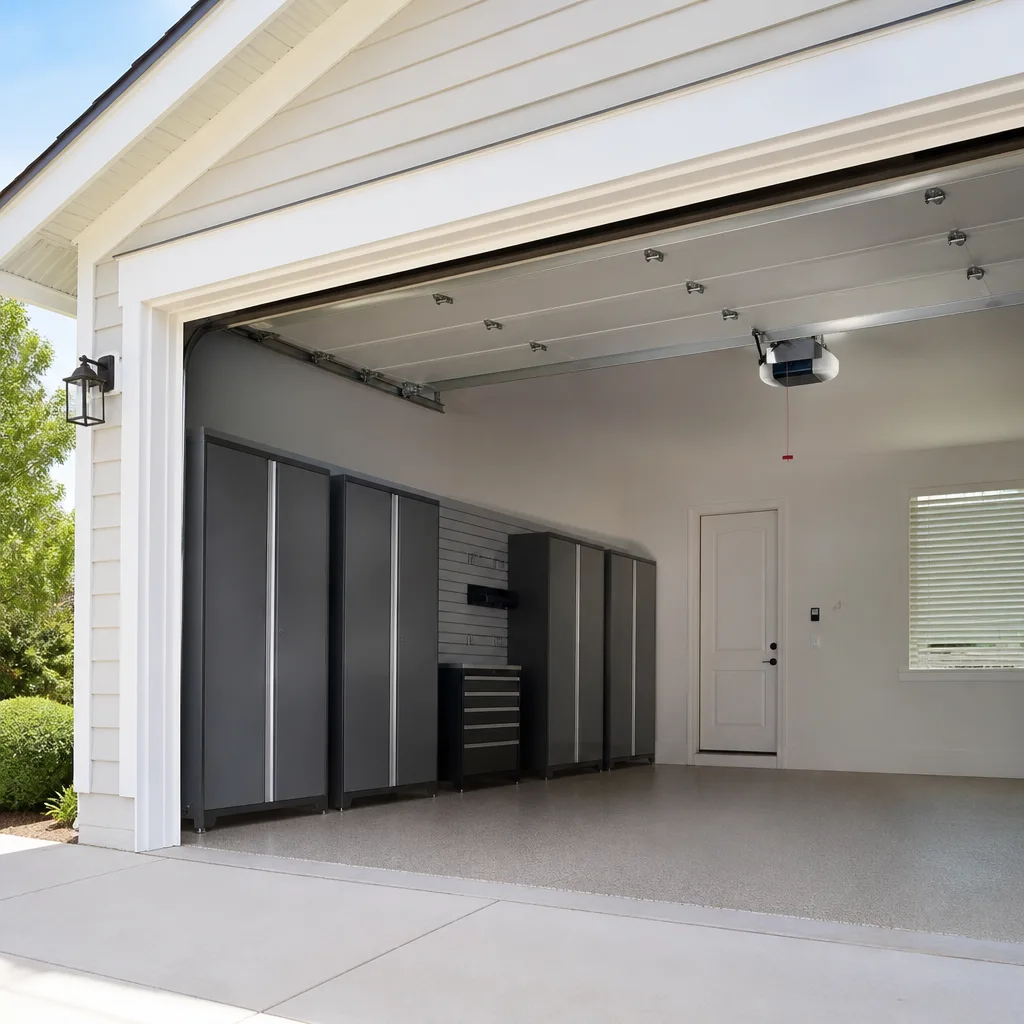 Chamberlain openers
Full 25-point door and opener safety check with every visit - springs, cables, rollers, tracks, and your LiftMaster or Chamberlain opener included
You get a price before we start. It does not change when the truck arrives.
Get your free estimateGarage Door Emergency Preparedness Guide for Whittier Homes
Most Whittier homeowners assume their garage door will work when they need it most. That assumption tends to fail at exactly the wrong moment: when the ground has just stopped shaking, or when an evacuation order comes through and the opener decides not to respond. The 1987 Whittier Narrows earthquake caught thousands of residents off guard, not because their doors were structurally destroyed, but because the power was out and the manual release cord had never been tested. This guide walks through the specific failure points that matter in Whittier, how to prepare for them before they happen, and what to do when you’re standing in front of a door that won’t move.
Quick Answer
Garage door emergency preparedness in Whittier means knowing how to operate your manual release cord when power is out, understanding California’s battery backup requirement for openers, and having a plan for post-earthquake and wildfire evacuation scenarios. You should test your manual release at least once a year and inspect your door’s balance, rollers, and tracks after any significant ground shaking. If the door won’t open manually, don’t force it. Call (877) 752-8607 for a free estimate and a technician who can diagnose the problem safely.
Styles & brands we work with
- Raised-panel steel
- Carriage house
- Modern flush
- Full-view glass
- LiftMaster openers
- Chamberlain openers
Table of Contents
- How to Use the Manual Release Cord When Power Is Out
- California’s AB 1447 Battery Backup Law and What It Means for Whittier Homes
- Post-Earthquake Inspection: What to Check Before Operating Your Door
- Wildfire Evacuation: Getting Out of the Garage Fast
- When the Garage Door Is Your Only Exit and It Won’t Move
- Building a Yearly Testing and Maintenance Routine
- Common Mistakes to Avoid
- When to Call a Professional
How to Use the Manual Release Cord When Power Is Out
The manual release cord is the red handle hanging from the opener rail, usually near the motor unit or a few feet back from the door. Pulling it disconnects the door from the opener carriage so you can lift the door by hand. That sounds simple, and in theory it is. In practice, there are a few things that catch Whittier homeowners off guard.
First, the cord doesn’t always release cleanly. On a door that hasn’t been manually operated in years, the release mechanism can stick. You may need to pull the cord down and slightly back toward the door to get the trolley to disengage. Don’t yank it sideways. A sharp side pull can bend the release arm or damage the trolley.
Second, once the door is released, it should lift with moderate effort. If it feels unusually heavy, or if it only moves partway and then stops, that’s a spring problem, not an opener problem. The springs carry most of the door’s weight. Without functional springs, a double-wide garage door can weigh well over 100 pounds, and trying to muscle it open can pull the door off its tracks or cause injury. We’ve seen homeowners in Whittier hurt themselves this way after power outages, and it’s one of the reasons we always tell people to test the manual release before an emergency, not during one.
Here’s the step-by-step sequence:
- Confirm the door is fully closed before disengaging the opener. Releasing the opener while the door is raised can let it come crashing down if springs are worn.
- Firmly grip the red release handle and pull down, then toward the door. You should hear a click or feel the trolley release.
- Lift the door by the handle or bottom edge. It should move smoothly. If it doesn’t, stop and assess.
- To re-engage the opener, pull the release cord down and toward the motor, then press the wall button or remote. The trolley should re-connect on the next cycle.
Some opener models behave differently. LiftMaster and Chamberlain units with automatic locking mechanisms may require the door to be manually pushed closed before the lock re-engages. Genie systems with a belt drive tend to release more easily but can be harder to re-engage if the trolley is out of alignment. If you have a Clopay door with a LiftMaster opener, the combination works fine together, but the release feel differs from a Chamberlain paired with a different rail type. The important thing is to know your exact setup before you need it.
California’s AB 1447 Battery Backup Law and What It Means for Whittier Homes
Since July 2019, California law (AB 1447) requires most newly installed or replaced automatic garage door openers to include a battery backup system. That means if your opener was installed after that date and it complies with the law, it should continue to operate at least a few times during a power outage, even without house power. If your opener predates 2019, you may not have that capability.
This matters a lot in Whittier, where the Garage Door Service Whittier team regularly encounters older homes with original openers that have no backup power at all. In a post-earthquake power outage, those openers are dead weight. The homeowner’s only option is the manual release, and if that hasn’t been maintained, the situation escalates.
What AB 1447 means practically is simple: if you’re installing a new opener or replacing an old one in Whittier, the unit you buy should have battery backup built in. The battery sits inside the motor housing or in a separate box, and it charges while the opener is connected to house power. When power fails, the opener draws from the battery. Most batteries are good for several open and close cycles, which is enough to get a car out and clear the garage once.
If you’re not sure whether your current opener has a battery backup, check the motor unit for a battery indicator light or a label that mentions backup power. LiftMaster, Chamberlain, and Genie all make battery-equipped models, but they only help if the battery is charged and the opener itself is functional. A dead opener battery is no different from a dead wall switch. Batteries wear out over time, usually within a few years, and they should be tested. Press the wall button while the opener is unplugged from the outlet. If the door moves, the battery works. If not, the battery has failed and the opener will not work during an outage.
A note on generator backups: if you use a portable generator to power parts of the house during an extended outage, make sure the garage door opener circuit is on it or that the battery backup is functioning. A generator feeding the opener won’t help if the opener itself is damaged. And never run a generator indoors or in the garage. That’s a carbon monoxide hazard, not a door solution.
Post-Earthquake Inspection: What to Check Before Operating Your Door
After any significant earthquake in Whittier, the instinct is to open the garage door to check on the outside world or get the car out. That instinct can cause more damage than the shaking itself. Before you press the opener button or grab the manual lift handle, walk through this checklist.
The first thing to look at is whether the door is still seated evenly in its tracks. If one side has shifted forward or backward, or if the door looks tilted within the opening, the tracks may have bent or the mounting brackets may have pulled loose from the wall. Operating a door with misaligned tracks can derail it entirely, and a derailed sectional door can fall.
Next, check the horizontal tracks near the ceiling. Look for visible bends, especially where the track curves from horizontal to vertical. Look at the wall anchors and lag bolts. In older Whittier homes, some garage door track anchors were installed with hardware that just doesn’t hold up to lateral shaking. If a bolt has pulled out, the track is no longer secure.
Check the springs. Torsion springs above the closed door should appear continuous, with no gap in the coil and no obvious sag. If a spring has snapped, you’ll often see a two-inch gap in the coil where the break occurred. A broken spring doesn’t always fall to the floor. Sometimes it stays in place and is only visible up close.
Check the cables on both sides of the door. The cables should be taut, running along the track and wound around the drums at the top. If a cable has jumped off a drum or is hanging loose, do not operate the door. A door with one broken cable or one unwound drum can rise unevenly and jam.
Finally, check the door’s balance manually. To do this safely, you’d release the opener and lift the door by hand about halfway. But after an earthquake, this test should only be done if everything else above looks normal. If the door stays at the halfway point without drifting up or down, the springs are doing their job. If it drops or flies up, the springs are improperly tensioned and the door needs professional attention.
We tell Whittier homeowners to do this inspection before touching the opener button after any quake strong enough to knock things off shelves. The worst outcomes we see after local seismic events are doors pulled off their tracks when homeowners hit the opener without checking first.
Wildfire Evacuation: Getting Out of the Garage Fast
Whittier sits close enough to wildfire-prone areas that evacuation orders are a real possibility during dry, windy seasons. In an evacuation scenario, seconds matter, and a garage door that operates slowly or unpredictably can be more than frustrating. It can block your exit route.
Most Whittier homes use the garage as the primary vehicle entry and exit. If the power is out, the opener won’t work unless you have a battery backup. If the fire has caused a local power shutoff, you may have zero electrical supply. That’s when the manual release becomes the only way out.
The problem is that the manual release cord isn’t second nature to most people. In a high-stress moment, with smoke approaching and family members in the car, fumbling with an unfamiliar cord is the last thing you want. That’s why we recommend an annual test. Once a year, pull the cord, lift the door by hand, and walk through the sequence. Do it during daylight, when you can take your time. The goal is muscle memory.
If your garage door opener has a battery backup that functions, use it. Even so, know where the manual release is and how it moves. We’ve met Whittier residents who installed battery backups and then never tested them, only to discover during an outage that the batteries were dead. A battery backup that hasn’t been tested is not a plan.
There’s another consideration: automatic garage door openers can be affected by heat. During a nearby wildfire, temperatures in a garage can climb high enough to cause electronic failure in an opener that’s been marginal for years. If your garage door opener repair needs attention, get it done before fire season. A weak capacitor or failing logic board that works fine on an ordinary day can quit under heat stress.
The practical evacuation plan is this: know how to get the garage door open without electricity, have a secondary exit from the house that doesn’t require the door, and never leave your car keys anywhere but in your pocket or a designated spot near the car. A car that can’t leave because the garage door won’t open is not a car that helps you evacuate.
When the Garage Door Is Your Only Exit and It Won’t Move
Some Whittier homes, particularly older ones on hillside lots, have garages that are the only practical vehicle exit. If the door is stuck during an emergency and you can’t get it open, the situation changes from inconvenient to critical. Knowing the difference between a safe manual operation and a dangerous forced attempt can prevent injury and property damage.
First, try the manual release. If the door moves freely by hand and you just need it open, lift it and secure it. A door in good condition should stay open on its own if the springs are properly tensioned. If the door wants to close again, the springs have lost tension and you should not rely on the door staying up. Keep people clear of the opening.
If the door won’t move after pulling the release cord, do not try to force it. Do not get a pry bar under the door. Do not have several people grab the bottom and heave. Forcing a door with a broken spring or derailed track can cause the door to fold, the panels to separate, or the cables to snap under load. The cables under tension can cause serious lacerations if they release suddenly.
Instead, look for what’s binding. Is the door crooked in the opening? That suggests a track issue. Is the door bowed or dented along the bottom? That suggests impact damage. Is the top panel pulled away from the rest of the door? That suggests the opener attempted to lift against an obstruction and strained the hardware.
If the door is stuck and you must exit, the safest move is usually to use another door from the house, if one exists. If the garage truly is the only exit and the situation is life-threatening, the appropriate action depends on the exact nature of the jam. A door that has come off one track can sometimes be lifted and guided back by two people, but only if the springs are intact. A door with a broken spring is not safe to lift. The weight is not manageable and the risk of dropping it is too high.
This is the point where a phone call matters. We answer 24/7. Fast dispatch from 7am to 7pm, Sunday through Friday. If you’re stuck and unsure, call first. A guide over the phone can help you determine if it’s safe to attempt a manual operation or if you should wait for a technician.
One more point: some Whittier garages have pedestrian doors on the side or back. Know whether yours does. In an emergency, a pedestrian door is always safer than trying to climb over or under a partially raised overhead door.
Building a Yearly Testing and Maintenance Routine
Preparedness isn’t a one-time event. It’s a yearly habit that takes about fifteen minutes and prevents the worst outcomes. Here’s what we recommend for every garage door repair and maintenance household in Whittier.
Test the manual release. Pull the release cord and lift the door by hand (with the opener disconnected). The door should move smoothly, stay up at the halfway point, and close without slamming. Re-engage the opener and confirm it cycles normally.
Test the battery backup. If your opener has one, unplug the opener from the wall outlet and press the wall button. The door should open. Plug it back in and let the battery recharge.
Check the safety sensors. Place an object, like a rolled-up towel, in the path of the door and press the close button. The door should reverse before contacting the object. Sensors misaligned by minor shaking can fail this test.
Inspect the springs and cables. Look for gaps in torsion spring coils and slack in cables. If anything looks off, don’t wait for an emergency to have it addressed.
Lubricate moving parts. Use a garage door-specific lubricant on the rollers, hinges, and springs once a year. Avoid WD-40, which doesn’t last. This reduces friction and makes manual operation easier if you ever need it.
Listen to the door. Run a full open-close cycle. Grinding, rattling, or shuddering tells you something is off. Many garage door opener repairs start with a noise the homeowner ignored for months.
Whittier’s mild climate means we don’t deal with freeze-thaw cycles or snow load, which is good news for doors. But the same stable weather can lull people into ignoring their doors for years. A door that operates fine in ordinary conditions can still fail under seismic stress or heat if basic maintenance has been skipped.
Common Mistakes to Avoid
- Never testing the manual release until you need it. The release mechanism sticks, the cord pulls awkwardly, and the door feels heavier than expected. The first time you use it should not be during an earthquake or evacuation.
- Assuming a newer opener has battery backup. AB 1447 applies to openers installed or replaced after July 2019, but not every unit sold since then includes backup. Some openers were grandfathered or installed before the requirement fully caught on. Check yours.
- Forcing a door that won’t open. A stuck door usually means a broken spring, a derailed track, or a cable issue. Forcing it causes more damage and can injure someone. Stop and assess.
- Ignoring slow or noisy operation. A door that’s been slowing down for months may have a failing opener motor or worn springs. In an emergency, that marginal condition becomes a failure. Fix it before it matters.
- Storing emergency supplies on top of the garage door path. Anything on the floor near the tracks, or stacked against the door itself, can interfere with manual lifting after the opener is released.
- Relying on one exit. If the garage is the only way out of your home in a vehicle and the door fails, you’re trapped. Know your secondary exit and keep it clear.
When to Call a Professional
Some garage door issues are DIY-friendly, like sensor alignment or lubrication. Others are not. Broken springs, damaged cables, bent tracks, and opener motor failures require a trained technician with the right tools and safety procedures. If your door has been through an earthquake and you see any visible damage, or if it won’t open or close after a power outage, don’t guess. Garage Door Service Whittier offers free estimates in Whittier. Call (877) 752-8607. We answer 24/7. Fast dispatch from 7am to 7pm, Sunday through Friday. We work on LiftMaster, Chamberlain, Genie, Clopay, and the other major brands, so whatever system you already have, we can diagnose it and get it moving again.
See the difference
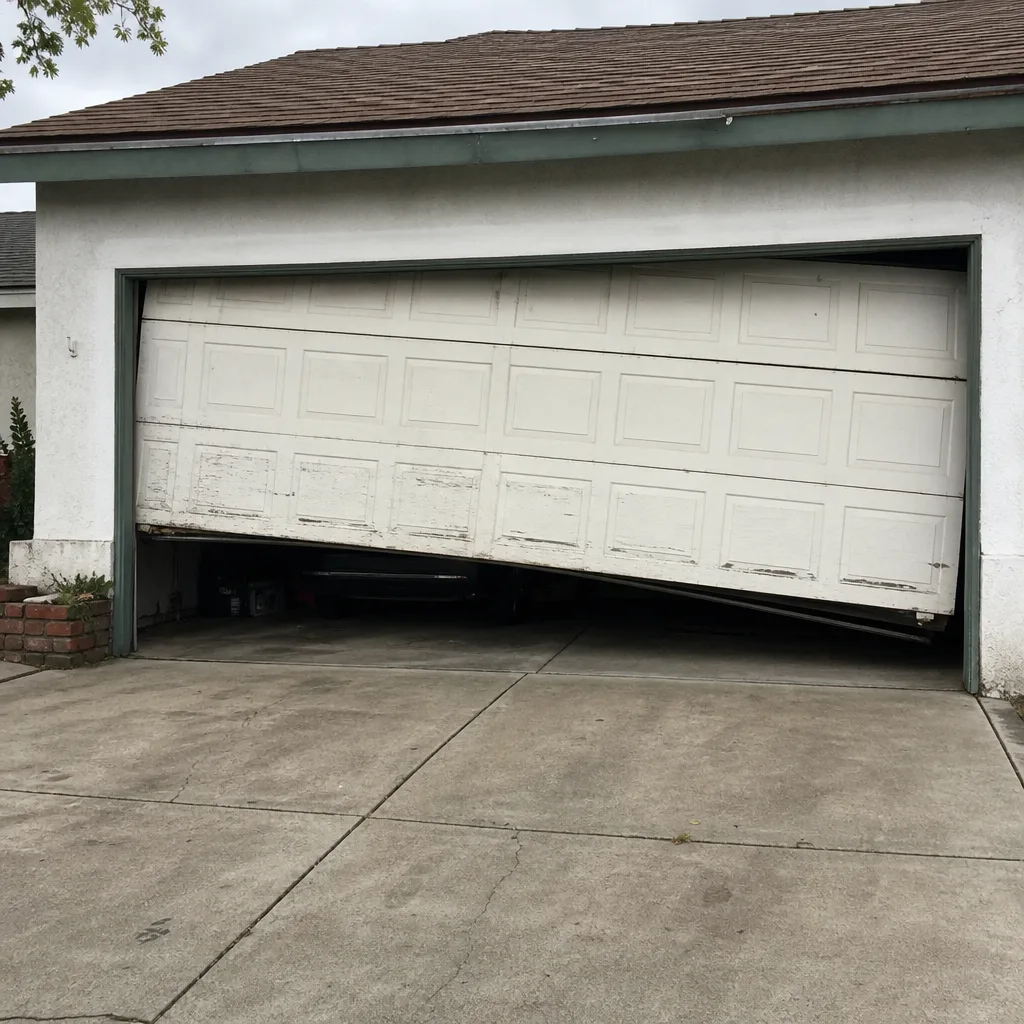 Before
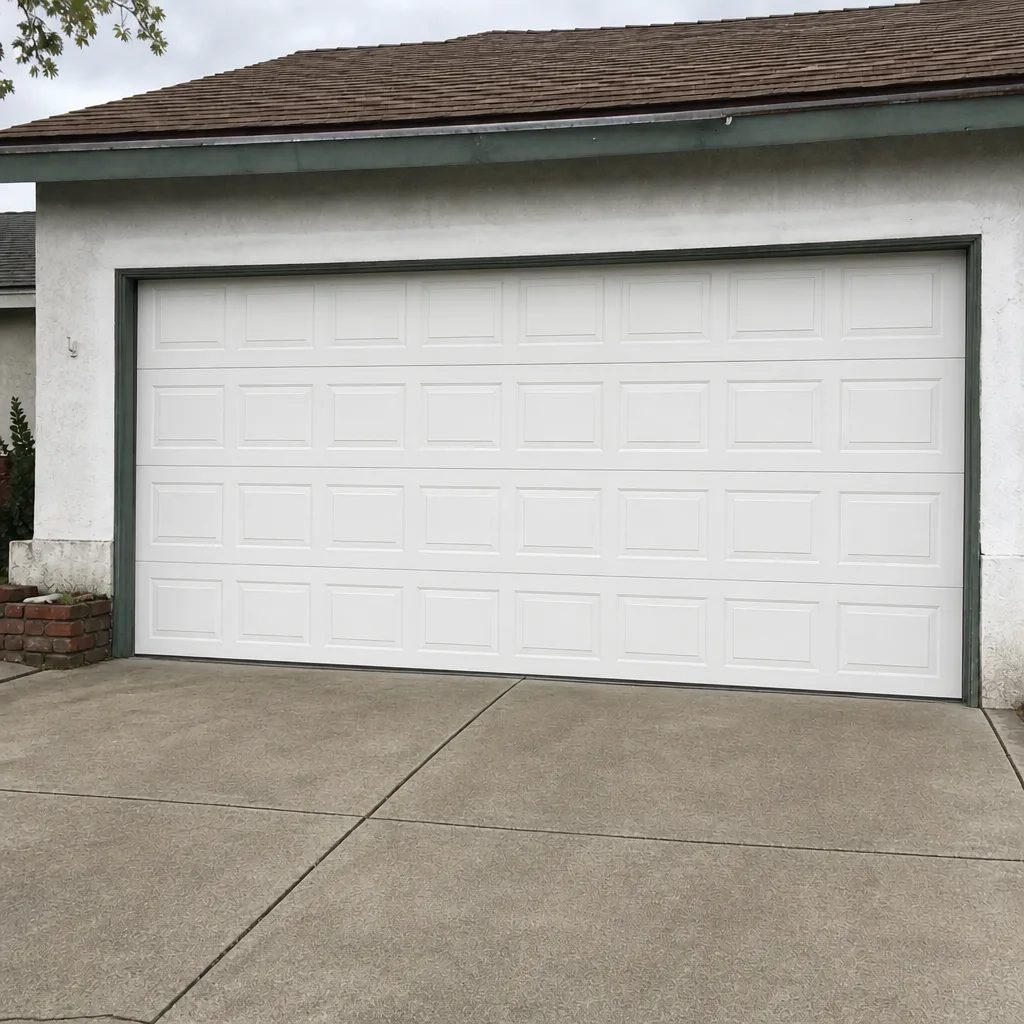 After
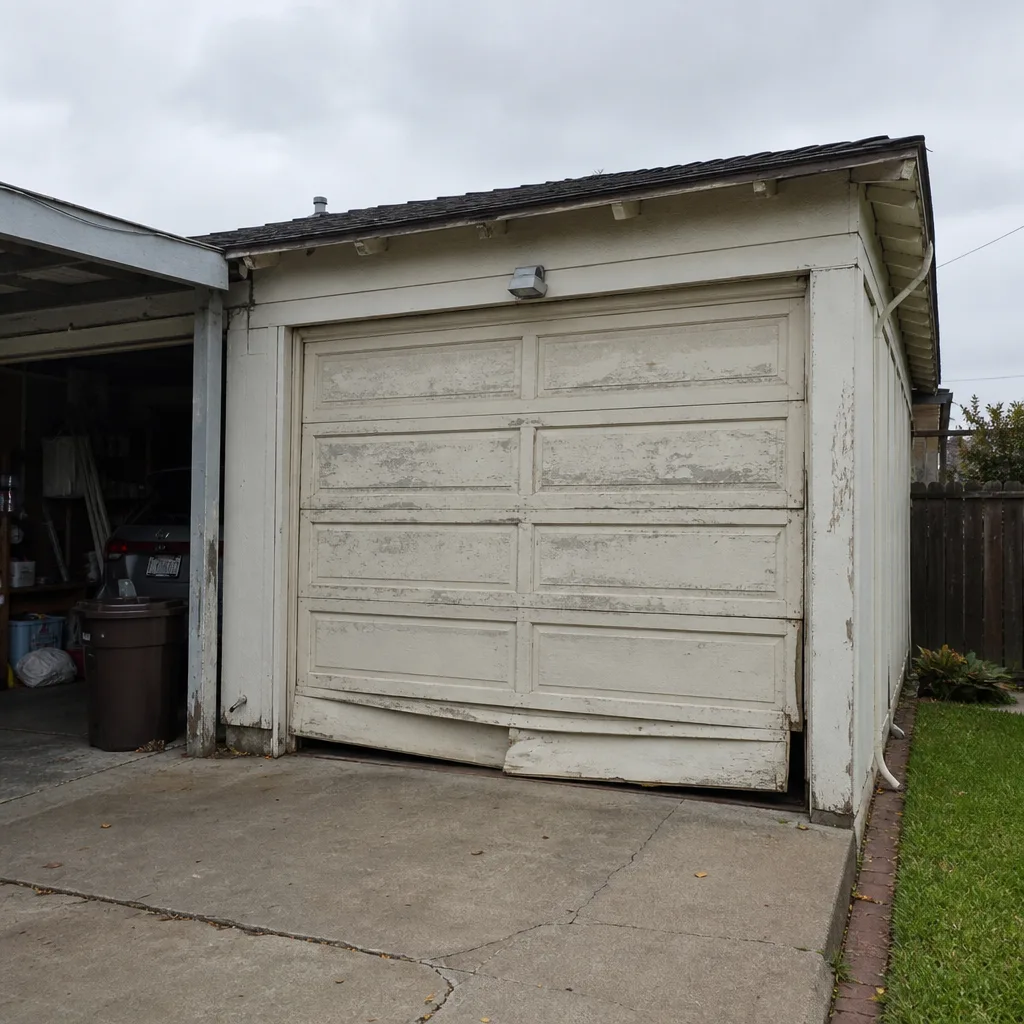 Before
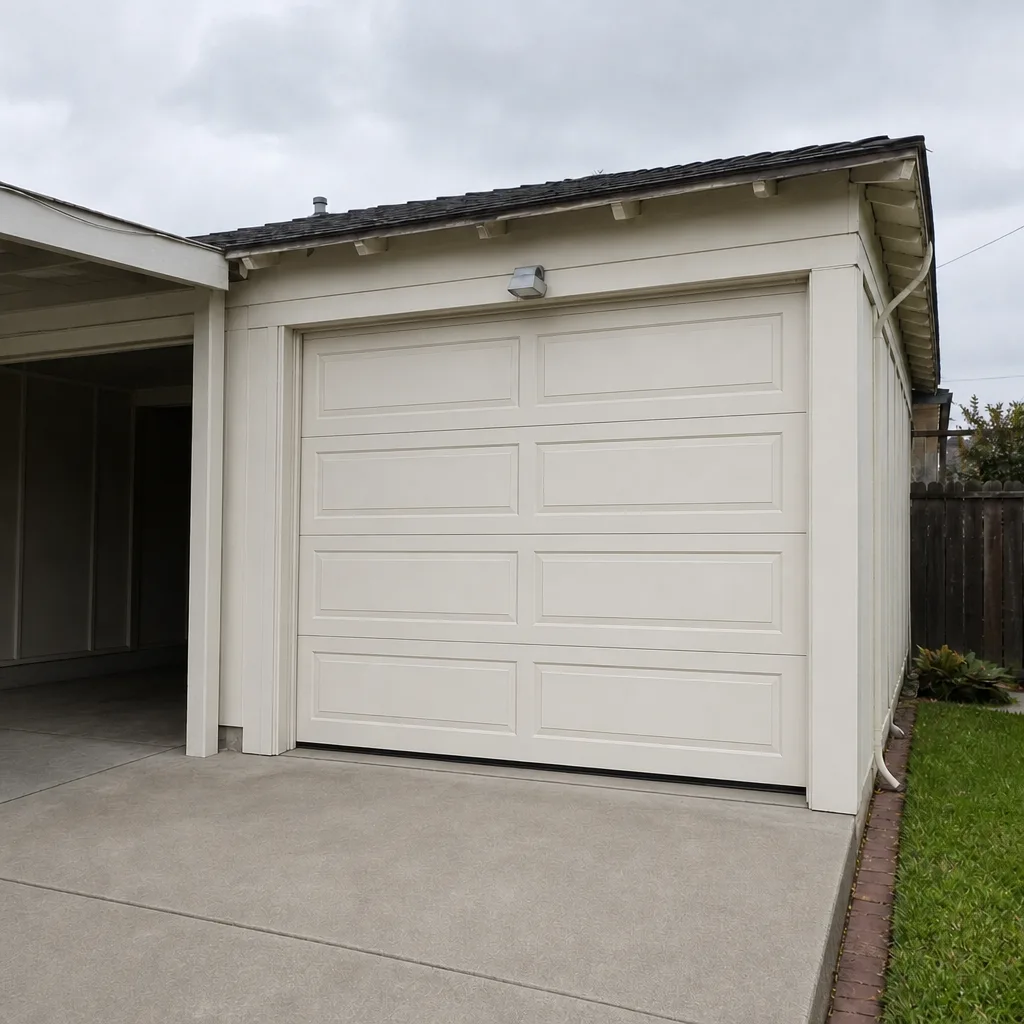 After
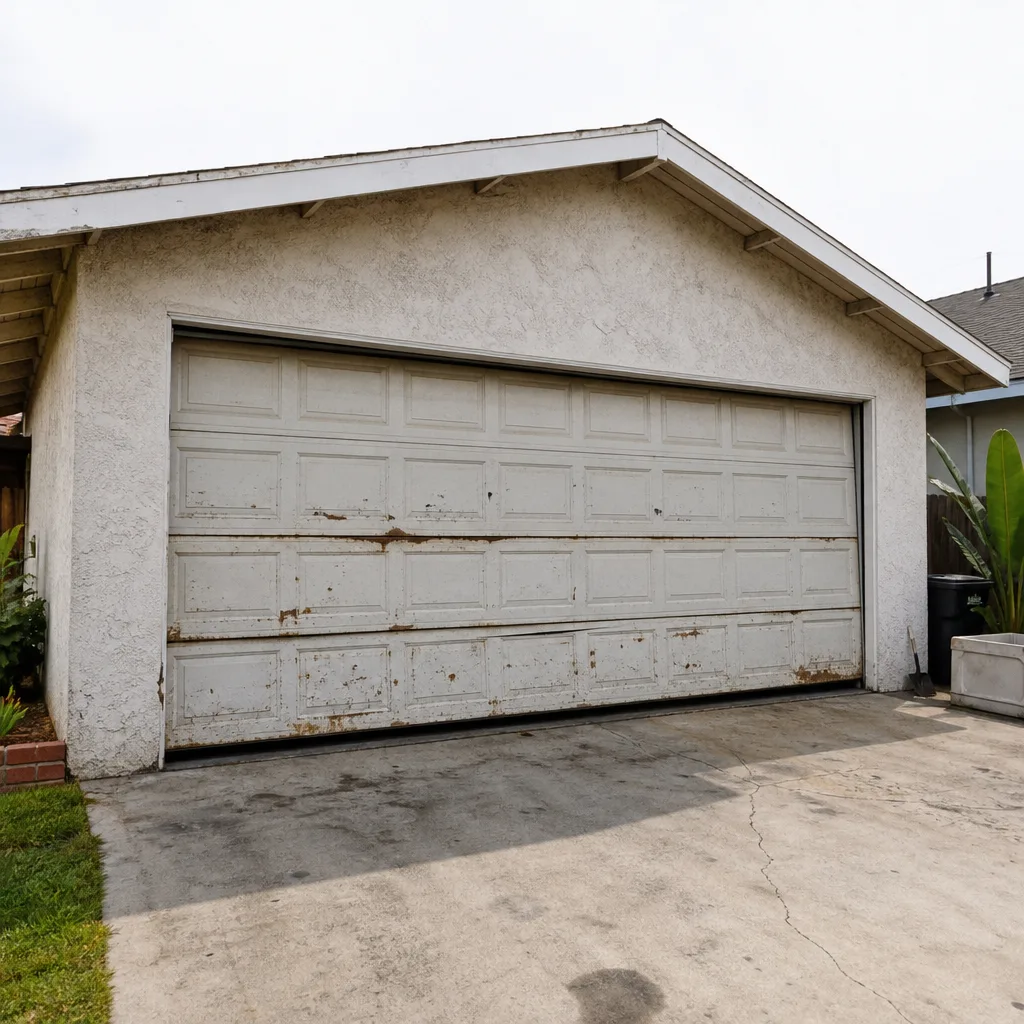 Before
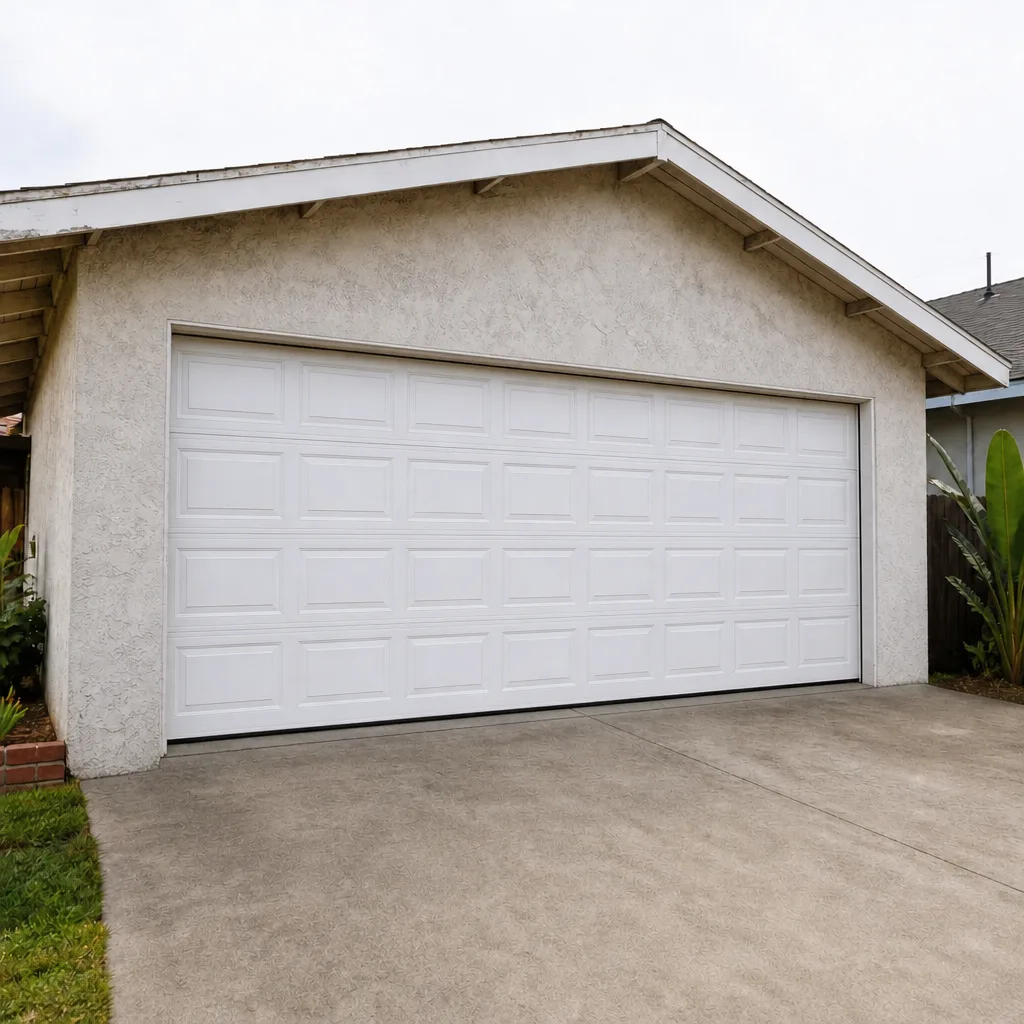 After
Frequently Asked Questions
Start with a visual inspection of the tracks, springs, cables, and the door’s positioning in the opening. Look for bends, loose bolts, snapped springs, and slack cables. If anything looks off, don’t operate the door. If everything looks normal, test the opener for smooth operation and listen for unusual noise.
Pull the red manual release cord hanging from the opener rail, usually near the motor unit. Pull down and toward the door to disengage the trolley, then lift the door by hand. If it feels heavy or won’t stay up, the springs may be broken and you should stop. Call (877) 752-8607 for help.
If your opener was installed or replaced after July 2019 in California, it likely has a battery backup as required by AB 1447. Check the motor housing for a battery indicator. To test, unplug the opener and press the wall button. If the door opens, the battery works. If not, the battery needs replacement.
Test it at least once a year. Pull the release, lift the door by hand, and run the opener through a re-engagement cycle. Annual testing builds the muscle memory you’ll need during a power outage or evacuation, and it reveals sticky-release problems before an emergency.
Yes. Opener electronics can fail under sustained heat, especially if the unit is already marginal. Capacitors, logic boards, and sensor systems can quit in high-temperature conditions. If your opener has been acting up, have it checked before fire season. Repair is often simpler and cheaper than replacing it later.
Use a pedestrian door from the garage if one exists. If not, call for guidance before forcing anything. A door with a broken spring or derailed track is not safe to lift manually. Let a technician assess the situation. Call (877) 752-8607. We answer 24/7. Fast dispatch from 7am to 7pm, Sunday through Friday. Estimates are free.
The Bottom Line
Garage door emergencies in Whittier rarely announce themselves. They happen when the ground shakes, when the power drops, or when an evacuation order comes faster than expected. The difference between a manageable situation and a dangerous one comes down to preparation: knowing your manual release, testing your battery backup, inspecting your springs and cables after seismic events, and respecting the limits of what a homeowner should attempt alone. Garage doors are all we do. Whether your spring snapped, your opener stalled, or it’s time for a full replacement, we work on the brand you already have. Get it diagnosed, get it fixed, get your car back in the garage.
Written by the team at Garage Door Service Whittier, serving Whittier since 2013.