
Last updated November 4, 2026
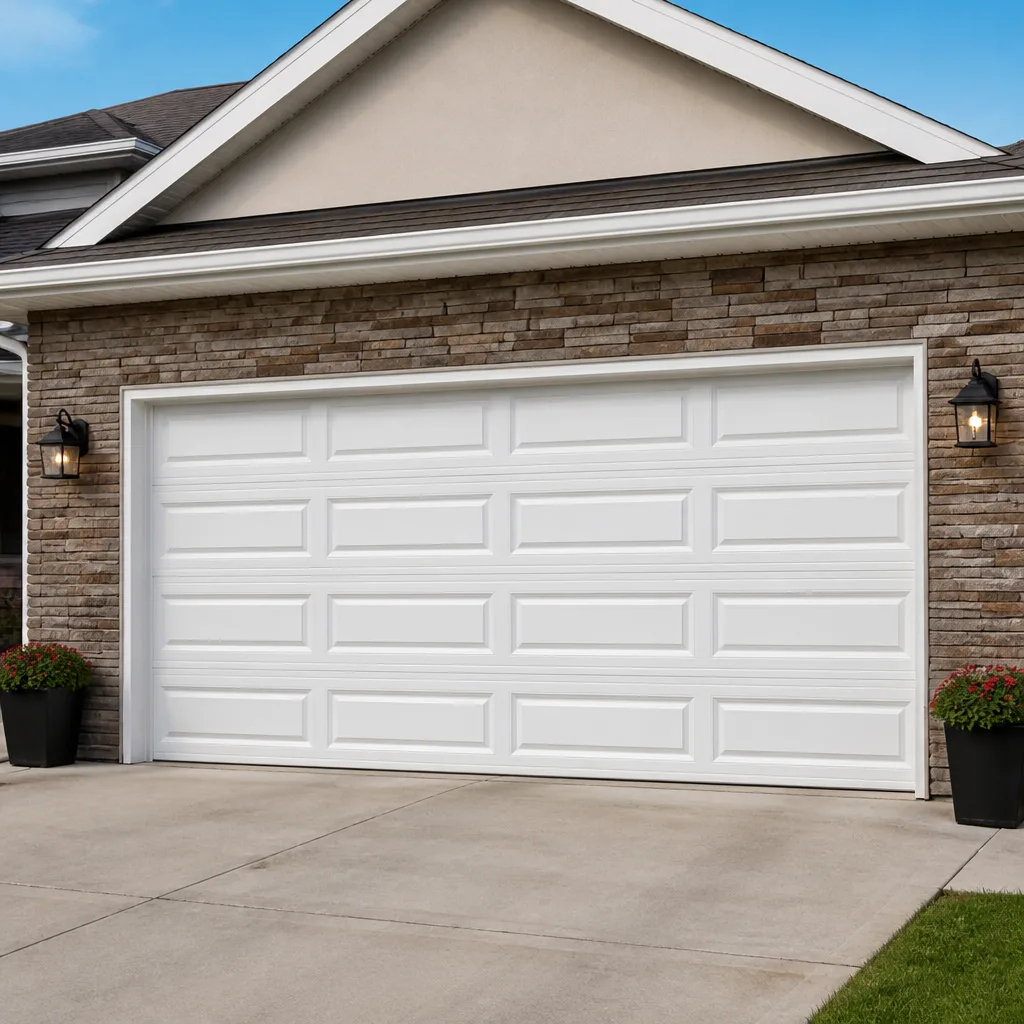 Raised-panel steel
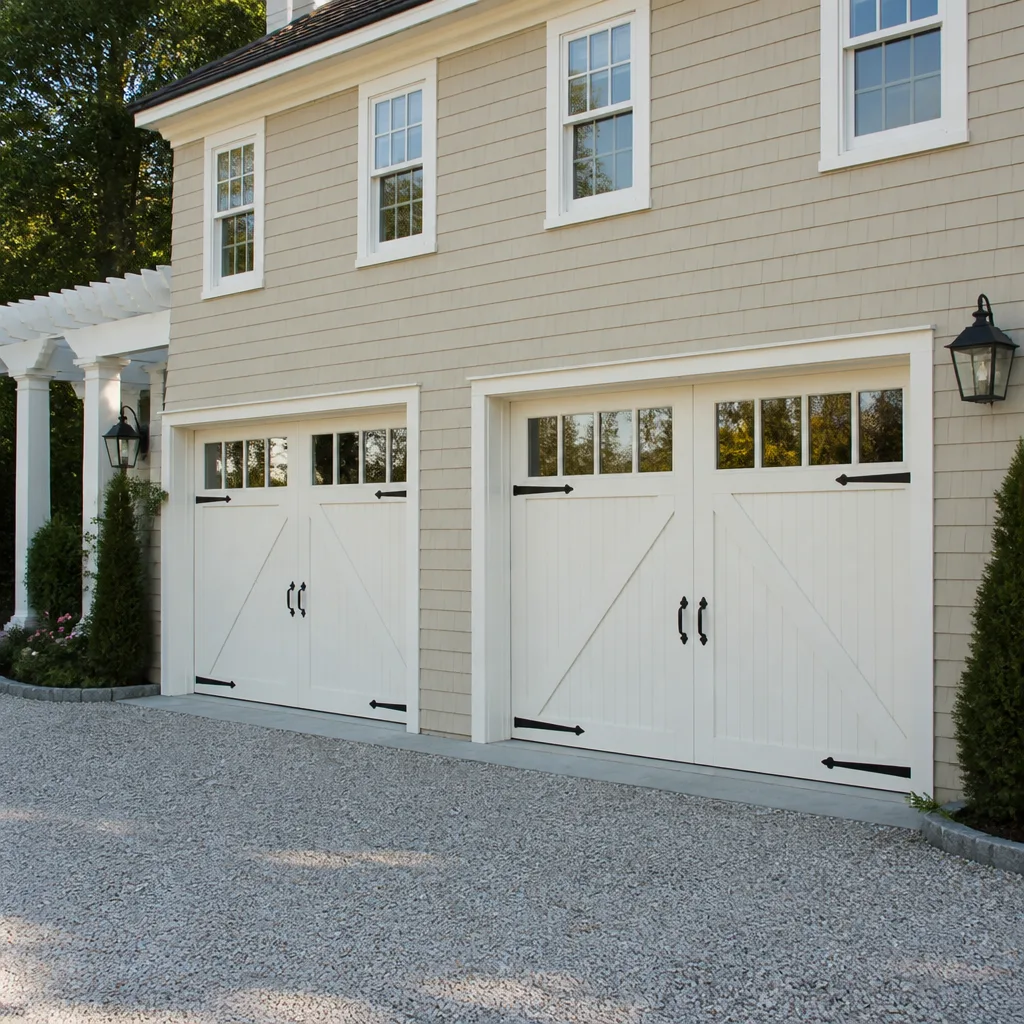 Carriage house
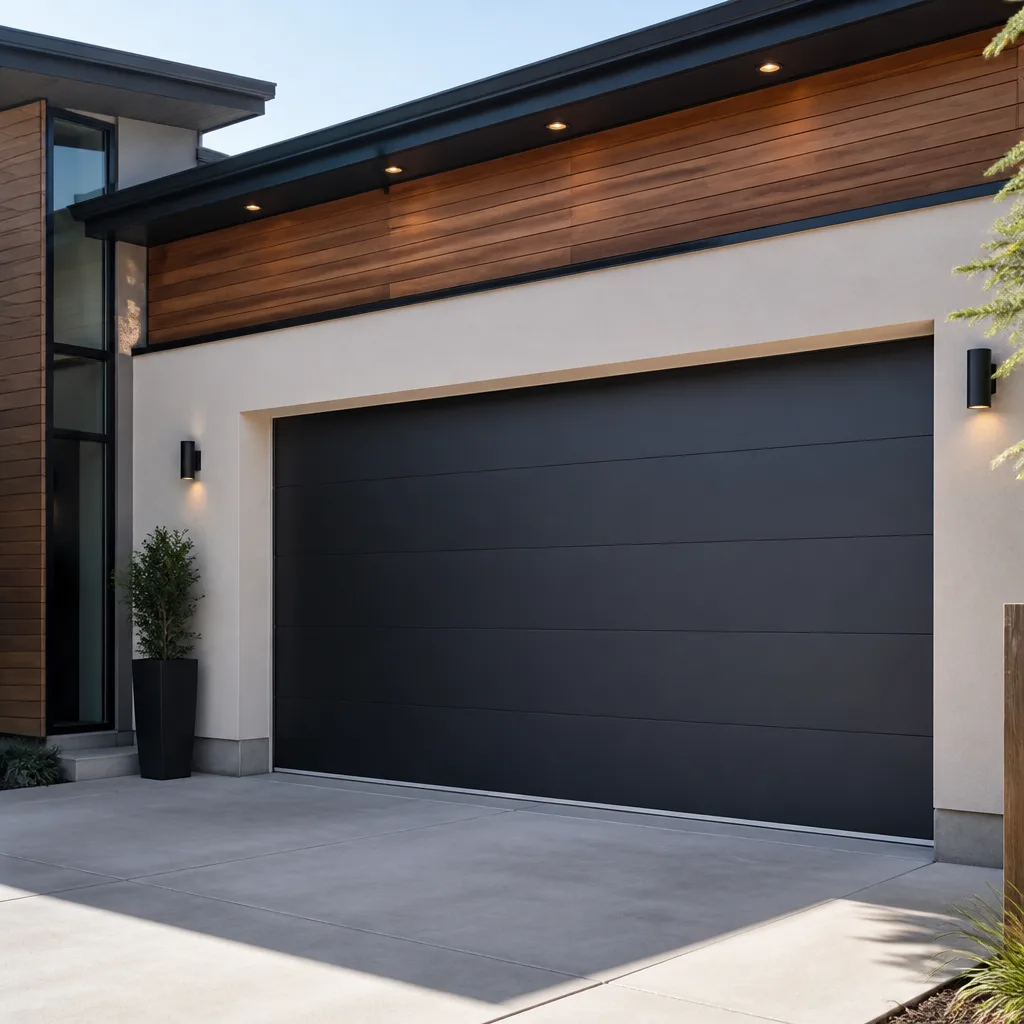 Modern flush
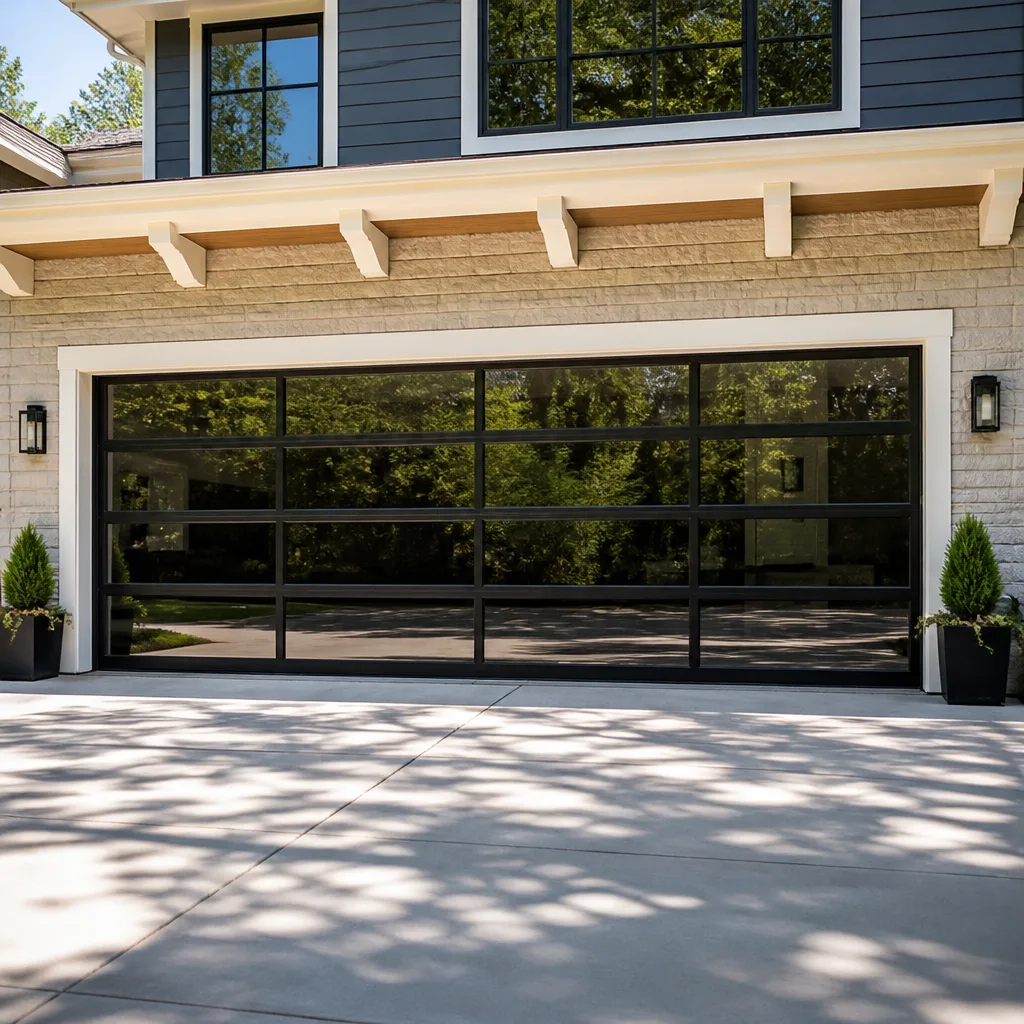 Full-view glass
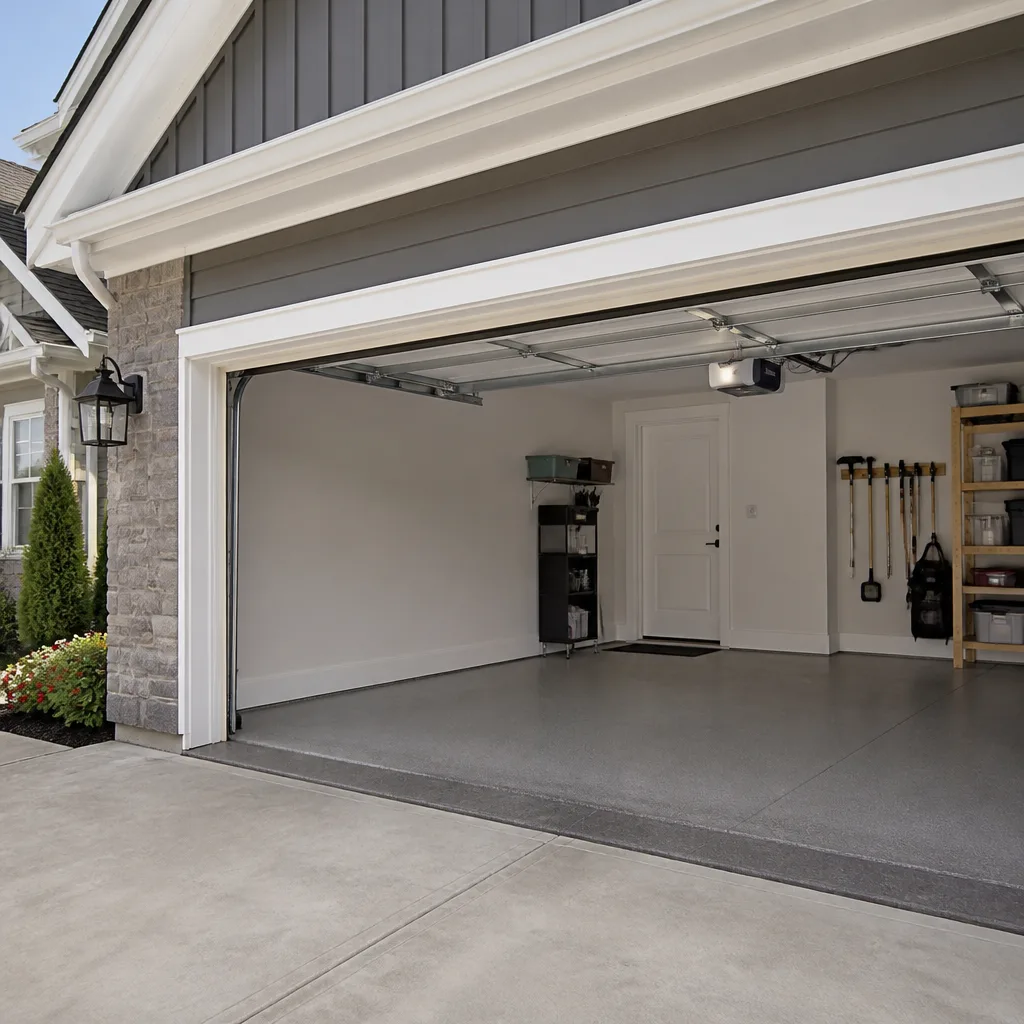 LiftMaster openers
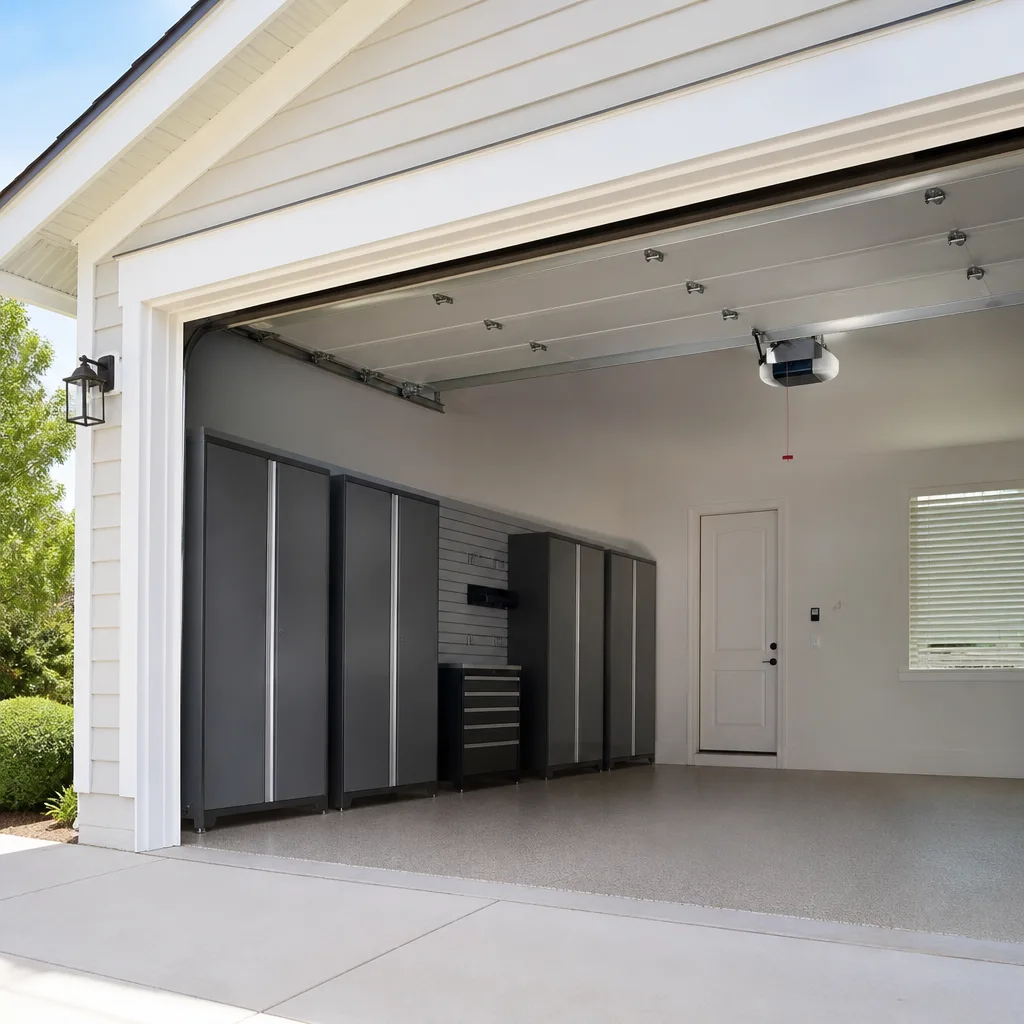 Chamberlain openers
Full 25-point door and opener safety check with every visit - springs, cables, rollers, tracks, and your LiftMaster or Chamberlain opener included
You get a price before we start. It does not change when the truck arrives.
Get your free estimateSeasonal Garage Door Care for Whittier: Year-Round Homeowner’s Guide
Most national garage door maintenance guides read like they were written for Minneapolis or Chicago. They warn about frozen tracks, ice buildup, and salt corrosion. Whittier doesn’t have those problems, so homeowners here tend to file garage door care under “not urgent.” That’s the mistake. Whittier has its own stress periods: the dry, gusty Santa Ana months that desiccate moving parts, the post-February ground shifts that knock tracks out of alignment, and the sustained heat that pushes opener electronics past their comfort zone. This guide covers the checkpoints that actually matter here, month by month, so your door doesn’t fail on the one morning you’re already late.
Quick Answer
Seasonal garage door care in Whittier means lubricating rollers and hinges before fall Santa Ana winds dry them out, inspecting the bottom seal before winter rains arrive, checking track alignment after February’s soil expansion settles, and ventilating or shading the opener motor during summer heat waves. Fast dispatch from 7am to 7pm, Sunday through Friday, from Garage Door Service Whittier means these seasonal checks turn into same-day fixes when a problem does surface.
Styles & brands we work with
- Raised-panel steel
- Carriage house
- Modern flush
- Full-view glass
- LiftMaster openers
- Chamberlain openers
Table of Contents
- Fall: Santa Ana Season and Dry-Air Wear
- Winter: Rain Prep and Bottom Seal Checks
- Spring: Post-Rain Track Alignment and Foundation Shifts
- Summer: Heat, Logic Boards, and Thermal Cutoffs
- The Whittier Month-by-Month Maintenance Calendar
- Common Mistakes to Avoid
- When to Call a Professional
- Frequently Asked Questions
Fall: Santa Ana Season and Dry-Air Wear
When Santa Ana winds start blowing through Whittier in September and October, the air gets dry. Really dry. Relative humidity can drop into the single digits for days at a time. For a garage door, that means every roller, hinge, and bearing that relies on residual grease or oil loses its buffer faster than it would in, say, a humid Gulf Coast climate. Metal-on-metal contact starts grinding. Plastic and nylon roller components get brittle. We hear this from homeowners every October: a door that worked fine in August suddenly sounds like a box of rocks when it opens.
What wears first? Hinges at the top and bottom of each panel, the roller stems where they sit in the hinge, and the torsion spring coils where they rub against themselves. Hairline cracks in a spring are already a full garage door repair waiting to happen. Dry air doesn’t cause springs to snap on its own, but it does accelerate the cycle of rust and metal fatigue that leads to a break. The single highest-value fall task is lubrication, and it’s cheaper than any spring replacement.
Five-Step Pre-Santa Ana Lubrication Sequence
- Disconnect the opener and open the door manually to feel for resistance or grinding.
- Wipe each roller, hinge pin, and bearing surface with a clean rag to remove old grease and dust.
- Apply a lubricant meant for garage door hardware, not WD-40, to the roller bearings, hinge pivots, and spring coils. Avoid spraying lubricant on the door tracks themselves, which just collects dust and makes rollers slip.
- Test the door twice manually, then reconnect the opener and run it through a full cycle.
- Listen. A properly lubricated door is quieter than a properly lubricated printer; a door that’s been dry for three Santa Ana seasons sounds like it’s arguing with itself.
If lubrication doesn’t quiet the door, the rollers or hinges are already too far gone. That’s a parts replacement, not a maintenance item. We work on the brand you already have, whether it’s a Raynor, LiftMaster, Chamberlain, or Genie system, so a diagnosis doesn’t start with a sales pitch for a new door. It starts with identifying which component is done.
Winter: Rain Prep and Bottom Seal Checks
Whittier’s winter is mild, but it does rain. The months between December and March bring the bulk of the year’s moisture, and the first place that moisture enters a garage is under the door. The rubber or vinyl bottom seal takes a beating in summer heat, and by the time the rain arrives it may have flattened, cracked, or pulled free of the metal retainer it sits in. A seal that’s even slightly compromised lets water pool under the door every time a storm passes through.
Water intrusion isn’t just about wet shoes. On a steel door from Clopay or Amarr, standing water along the bottom panel accelerates rust at the precisely the seam where the panel joins the bottom retainer. Rust there eats into the panel’s structural edge, and once that edge is compromised, the panel doesn’t hold hardware as well. A sagging bottom section is often the result of months of unnoticed moisture working its way in. In Whittier’s winter this isn’t a freeze problem; it’s a corrosion problem, and it’s entirely preventable.
How to Inspect a Bottom Seal Before January
- Close the door and look at the seam from inside the garage. Daylight visible under any section of the door means the seal isn’t contacting the floor.
- Run your hand along the seal from one side to the other. Crumbly, flattened, or twisted sections need replacement.
- Check the metal retainer the seal slides into. Bent retainers will never hold a new seal properly, which is why a quick fix at the seal often turns into a fuller repair at the panel.
- If your garage floor has settled and the seal has one compressed side and one gapped side, the floor itself is part of the problem. A thicker seal or a floor-mount threshold strip may be the answer.
Replacing a bottom seal on a standard 16-foot door is often a straightforward job, but it requires sourcing the correct profile. Garage door manufacturers use about a dozen different T-end, bulb, and bead shapes. Guessing on a universal seal from a home center is how you end up with a door that still leaks while looking like it’s been fixed. Our technicians carry the right profiles for the major brands, LiftMaster and Chamberlain included, so the seal fits the track the way the manufacturer intended.
Spring: Post-Rain Track Alignment and Foundation Shifts
After the last significant February rain, the ground around Whittier homes does something predictable: it shifts. Soils that absorbed water during the rainy weeks dry out unevenly, and the slab the garage door tracks and header are attached to can move a fraction of an inch. That doesn’t sound like much, but the vertical tracks on a garage door have about a quarter inch of clearance for the rollers. A small shift at the foundation becomes a bigger angle change at the top of the track, and now a door that opened smoothly in December binds or shudders halfway up in March.
You can spot early track misalignment before it becomes a snapped cable or bent track by doing two things. First, watch the door move through a full cycle while standing inside the garage. The gap between the roller and the track edge should stay consistent on both sides. If one side’s gap grows or shrinks as the door rises, the track is drifting. Second, stand outside and look at the panel lines. Doors that are binding slightly tend to show a crack of daylight or uneven panel spacing on one side. If you notice either, don’t keep running the opener and hoping it’ll self-correct. Binding put extra torque on the opener’s carriage and the cables, and over a few weeks that’s a broken cable, or worse, a snapped spring under load.
Spring is also the best time in Whittier to do a complete hardware inspection: every hinge bolt, bracket lag, and roller. The contractor who installed the door in 1990 may have used a bolt that’s now rusted halfway through. A 20-minute inspection catches these before the seasonal heat arrives and things start expanding.
Garage doors are all we do, and a spring after-rain track check is one of the most common calls we run in March and April. Often the fix is a small track adjustment at the bracket rather than a full track replacement. Left alone for another season, the same issue becomes a bent vertical track from the roller forcing itself through the bend.
Summer: Heat, Logic Boards, and Thermal Cutoffs
Whittier summers see sustained stretches of 90°F and above, and garage interiors run hotter than that. The average attached garage in the San Gabriel Valley can hit 110-120°F by mid-afternoon. That heat has a direct effect on two components: the opener’s logic board and the motor’s thermal cutoff switch. It’s the single most overlooked seasonal cause of garage door opener repair calls in July and August.
A logic board is a circuit board, and circuits don’t love sustained heat. Capacitors age faster in a hot environment. Solder joints expand and contract. The board’s plastic housing warps just enough to let dust in. None of this kills an opener immediately. What you’ll see instead is a slow accumulation of odd behavior: the remote works from 20 feet but not 30, the keypad resets itself once a month, the opener opens but won’t close unless you hold the wall button. By the time you’re calling someone, the board is already marginal.
The thermal cutoff is simpler. When the motor gets too hot, a temperature switch trips and the opener refuses to run until it cools down. That’s a design feature, not a defect. But if it trips at 3pm every day in August and the homeowner needs to leave at 3:10, the opener has become a daily frustration. Some homeowners resolve this by replacing the opener with a newer unit with better heat tolerance. Others solve it by improving garage ventilation or shading the motor unit from direct sun. The right answer depends on the specific opener. We carry experience across the major opener brands, LiftMaster and Chamberlain included, and we can diagnose a thermal cutoff from a dying capacitor in one visit.
Summer Opener Check: Five Things to Verify
- Does the opener run noticeably slower in the afternoon than in the morning? That’s often early heat-related resistance in the door’s moving parts, not the motor itself.
- Does the unit smell warm or have dust caked around the vents? A clogged motor housing traps heat and pushes the cutoff to trip sooner.
- Does the opener’s light flicker or the remote need multiple button presses? Logic board heat degradation often shows up as intermittent behavior first.
- Is the garage door balanced? A door that’s heavy on one side makes the motor work harder, which makes it run hotter, which makes the cutoff trip sooner.
- Is the opener old enough that a replacement part costs more than a new unit? A technician can tell you this quickly, and we don’t push new equipment just to sell it.
The Whittier Month-by-Month Maintenance Calendar
Here’s a practical, Whittier-specific maintenance calendar. Use it as a checklist rather than a homework assignment.
January
- Check the bottom seal. This is the rainiest month of the year in Whittier, and a gap here is already causing damage.
- Inspect the door’s bottom panel for rust spots or bubbling paint on steel doors.
- Lubricate hinges if December rain brought humidity swings.
February
- Focus on the track hardware. Rainfall peaks around this month, and soil beneath the slab is at its most saturated. Any existing foundation weakness shows up now.
- Listen for creaking during the door’s travel. A door that creaks in February often binds more seriously in March as the ground dries.
March
- Do a full track alignment check after February’s wet period. This is the highest-value inspection of the year in Whittier.
- Test the auto-reverse feature by placing a 2×4 on its flat side in the door’s path. The door should reverse within two seconds of contact.
April
- Give the garage a deep clean. Santa Ana debris has been accumulating and can clog the photo-eye sensors.
- Check the opener’s remote batteries and reprogram any keypads that have drifted.
May
- Warm-season prep: inspect the opener’s motor housing for dust buildup. A quick compressed-air blowout now saves a thermal cutoff headache later.
- Verify the spring’s balance by disconnecting the opener and lifting the door manually. It should stay open about three feet off the ground on its own; if it drops or rises, the spring tension is off.
June through August
- Summer is heat stress season. Watch for thermal cutoff trips and remote range degradation, especially after 2pm.
- Keep the garage vented or shaded if possible. Even opening the pedestrian door for an hour in the evening helps shed trapped heat.
- Lubricate more often in dry heat. The August air in Whittier is drier than a Midwest winter to your garage hardware.
September
- Monsoon season (when it happens) meets lingering summer heat, which is rough on rubber seals. Inspect the bottom seal again, not for rain but for heat cracks.
- Prepare for Santa Ana season: order any needed lubrication and replacement rollers now, before the seasonal rush.
October through November
- The Santa Ana months. Lubricate every roller and hinge, not because it feels dry, but because by the time it feels dry, the damage is already started.
- Inspect weatherstripping around the door’s perimeter. Santa Ana winds carry fine dust that sneaks through small gaps all day long.
December
- Final rain prep before January. Replace the bottom seal if it shows any sign of compression.
- Wipe down tracks with a dry cloth; moisture from winter fog combines with existing dust to create a gummy paste inside the track, which binds rollers.
Common Mistakes to Avoid
- Using WD-40 on rollers and hinges. It’s a solvent, not a lubricant. It cleans gunk off but leaves the metal bare, which accelerates wear in Santa Ana season. Use a garage-door-specific spray lube.
- Lubricating the tracks. The tracks are meant to be dry. Lubricant on a track just collects dust and turns into sludge, which makes rollers bind in Whittier’s dry months.
- Ignoring a slow door in July. A door that runs slower in summer heat is telling you something about the motor, the balance, or the rollers. By August, the same issue is a thermal cutoff trip at the worst possible time.
- Replacing one spring when two are bad. A torsion spring pair is designed to work together. Replacing only one puts uneven tension on the system and often leads to a second break within months. This is a matched-pair repair, always.
- Assuming “mild weather” means no maintenance. Whittier doesn’t have punishing winters, but it has punishing dry spells and temperature swings. The door that fails in fall is often the one that was ignored in summer.
- DIY bottom seal replacement with the wrong profile. Universal seals are not universal. A seal that doesn’t fit the retainer pops out within weeks, and the door leaks worse than before. Bring the old seal or the door model to a pro.
- Running the opener when the door is binding. If the door shudders or hesitates halfway up, continuing to open and close it under power strains the cables and the opener carriage. Stop, disconnect, and diagnose before the track bends or the cable snaps.
When to Call a Professional
Some seasonal maintenance tasks are safe and quick for a homeowner: wiping down tracks, replacing remote batteries, filling a small crack in weatherstripping. Others aren’t. A snapped torsion spring is a genuinely dangerous repair; the spring is under hundreds of pounds of tension and can cause serious injury if released incorrectly. A bent track, a misaligned chain drive, or a door that’s heavier on one side also warrants a trained hand. And when the problem is the opener’s logic board or thermal cutoff, DIY diagnosis usually means buying parts that don’t fix the symptom. If any of the seasonal checks in this guide turn up a problem beyond simple lubrication or cleaning, Garage Door Service Whittier offers free estimates in Whittier. Call (877) 752-8607. We answer 24/7. Fast dispatch from 7am to 7pm, Sunday through Friday.
Frequently Asked Questions
Twice a year at minimum, but we recommend three times in Whittier’s climate: once before Santa Ana season in September, once after the winter rains in April, and once more during the worst of the summer dry heat in July. The dry air here strips lubricant faster than most climates, and a door that’s been properly lubricated will outlast one that hasn’t by years.
You can, if you have the correct seal profile for your door. The challenge is that manufacturers use a variety of T-end, bulb, and bead shapes, and a universal seal sold at a home center often doesn’t seat correctly in the retainer. If you don’t know the door brand or model, a technician can match the seal profile in minutes. Call (877) 752-8607 for an exact quote, and estimates are free.
That’s usually the motor’s thermal cutoff switch doing its job. When the garage heats up to 110°F or more, the motor housing retains heat, and the safety switch trips to prevent damage. If it happens regularly, the door may also be out of balance, forcing the motor to work harder and run hotter. A quick balance check and motor inspection identifies which issue you’re dealing with.
Track misalignment after the February rain cycle. The soil under and around the garage slab expands when saturated, then contracts as it dries, and that shifts the track brackets just enough to cause binding. It’s more common than spring breaks and opener failures in this area, and it’s almost always correctable with a track adjustment rather than a replacement.
The seasonal schedule is the same. What changes is the diagnostic approach when something goes wrong: a LiftMaster logic board shows heat failure differently than a Genie, and a Chamberlain chain drive needs different tension adjustments than a Raynor belt drive. We’re certified to service all the major brands, and we work on the system you already have rather than pushing you toward a new one.
First, check the photo-eye sensors at the bottom of the door. Santa Ana winds blow dust and debris that can block the beam or knock a sensor out of alignment, and the door will refuse to close. If the sensors are clean and the door still won’t move, check the power supply to the opener, then disconnect the opener and try lifting the door manually. If it’s stuck or heavy, you likely have a broken spring or a jammed roller. Call (877) 752-8607 for a diagnosis; estimates are free and we don’t pressure you into parts you don’t need.
The Bottom Line
Whittier’s garage doors don’t face the seasonal extremes that dominate national maintenance guides, but they face their own: the desiccating Santa Ana months, the post-rain ground shifts, and the relentless inland heat that grinds on openers and springs. The homeowner who performs the seasonal checks in this guide will catch small problems before they become expensive ones. And when a problem does surface, the fix doesn’t require replacing the whole system just because a spring snapped or a logic board failed. Garage Door Service Whittier works on the brand you already have. Lubricate before October, inspect the seal before January, check the tracks before March, and keep the opener cool through August. That’s the entire seasonal playbook for a Whittier garage door.
Written by the team at Garage Door Service Whittier, serving Whittier since 2013.
See the difference
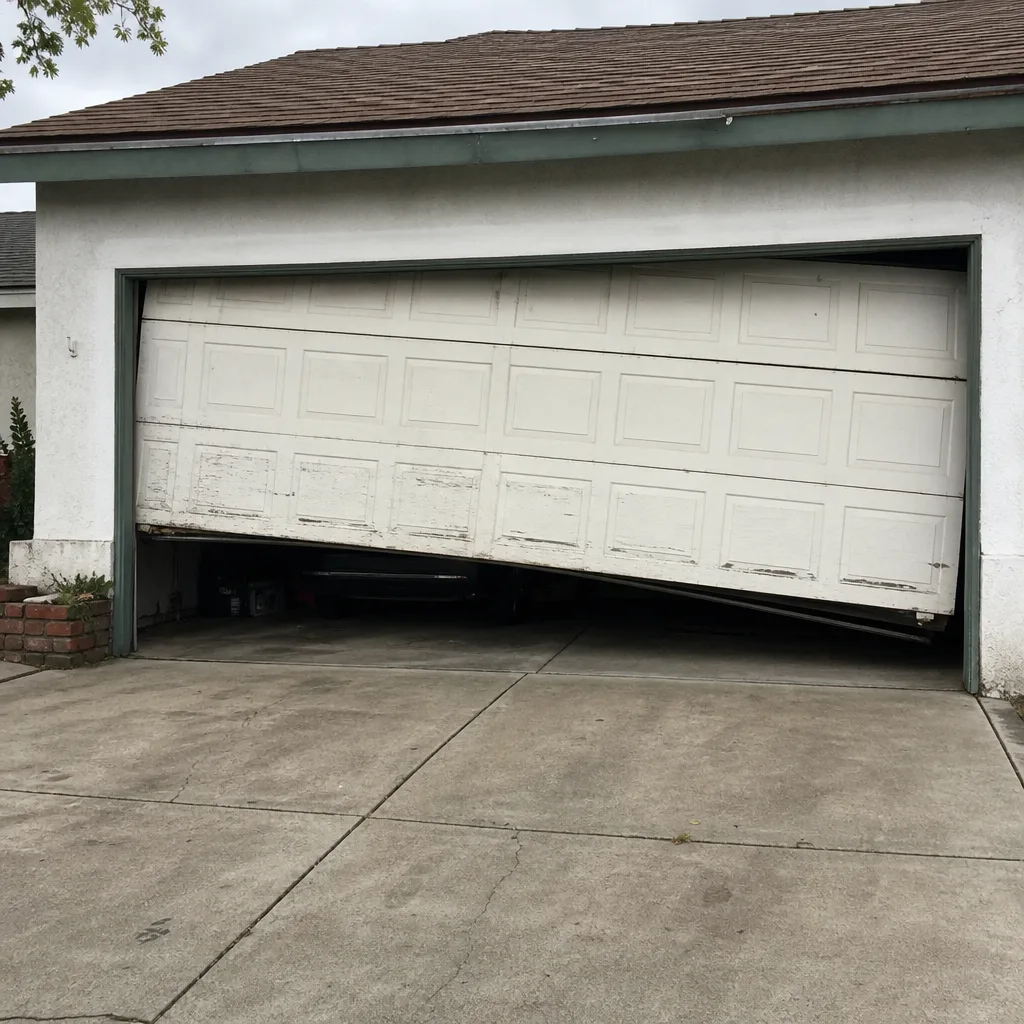 Before
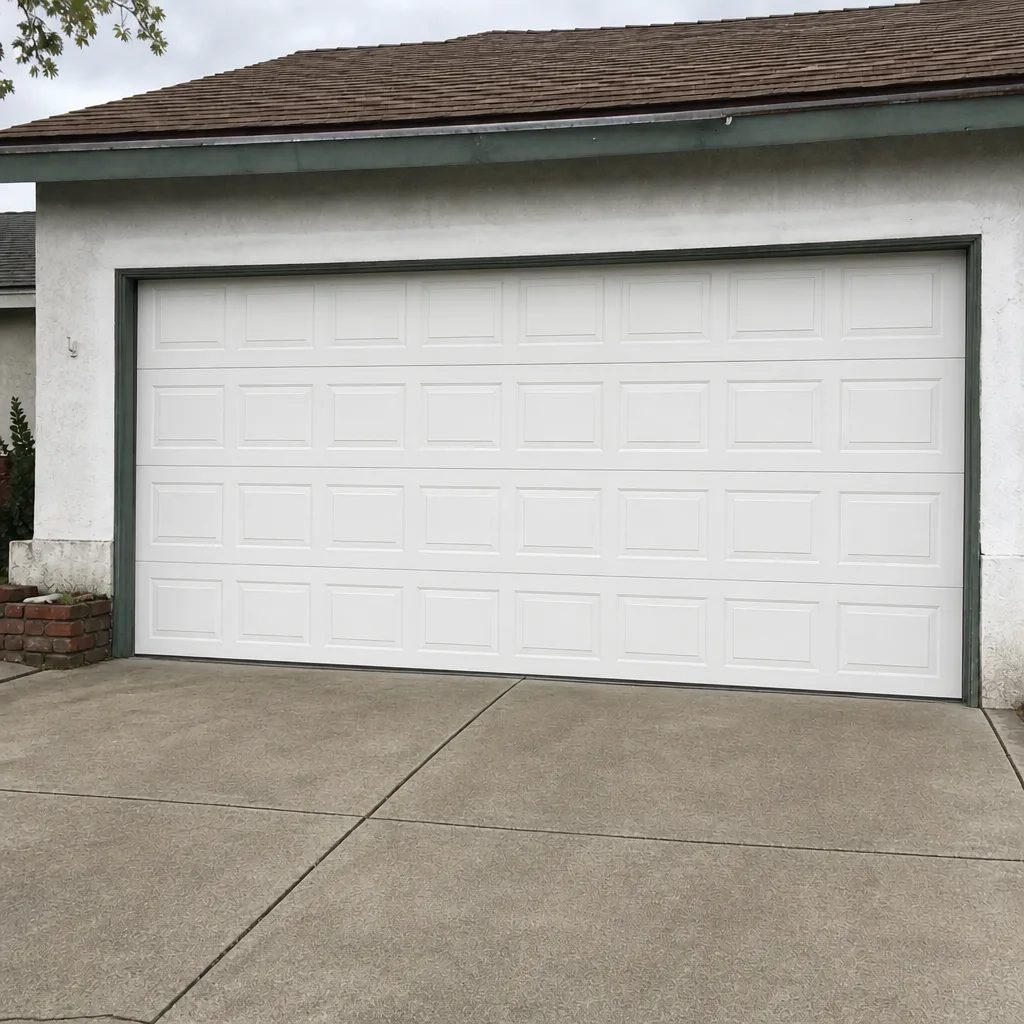 After
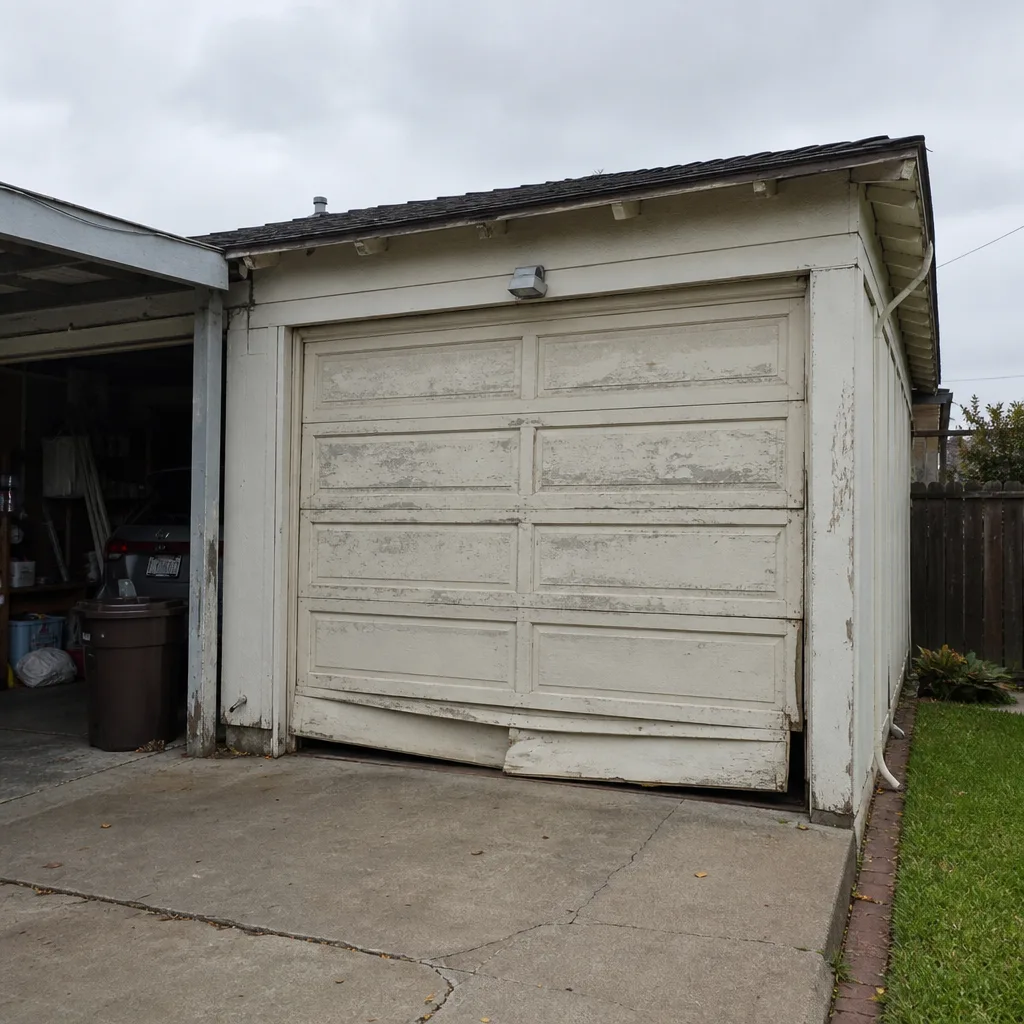 Before
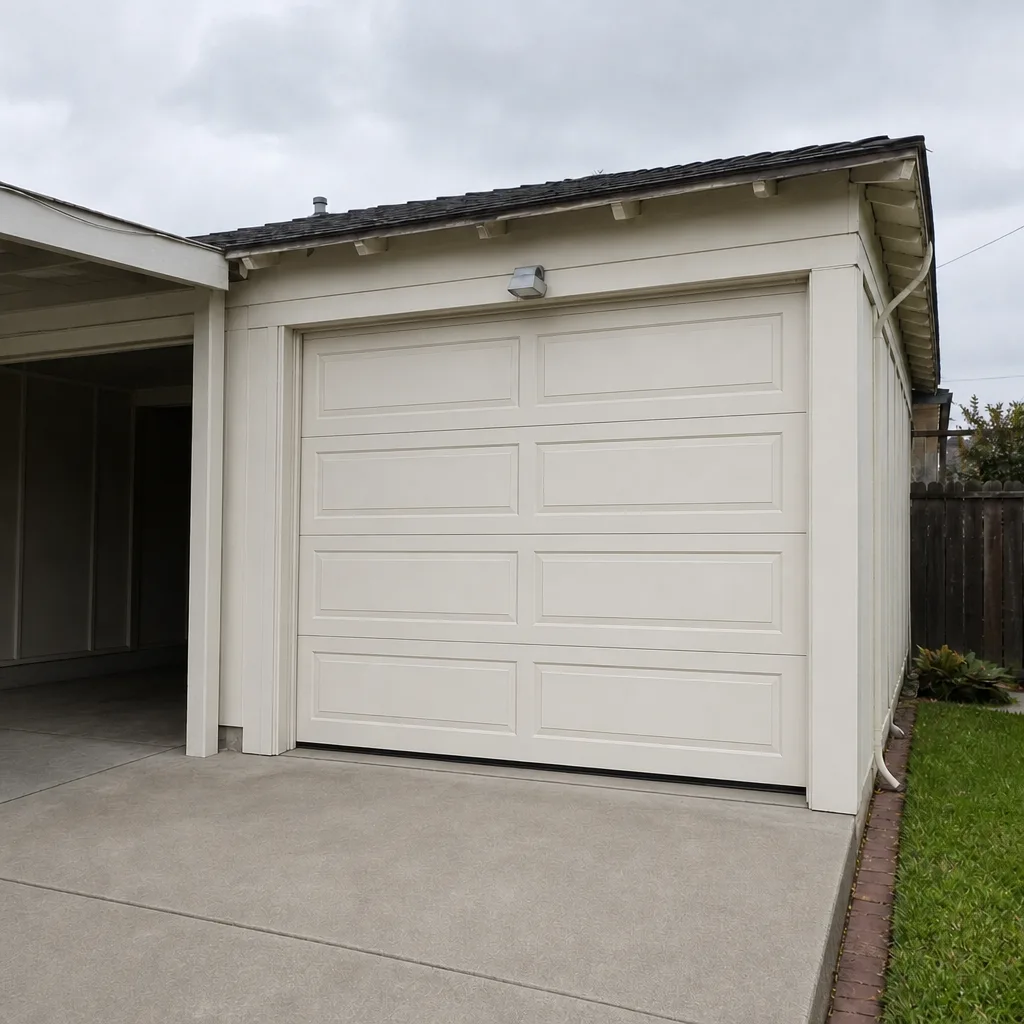 After
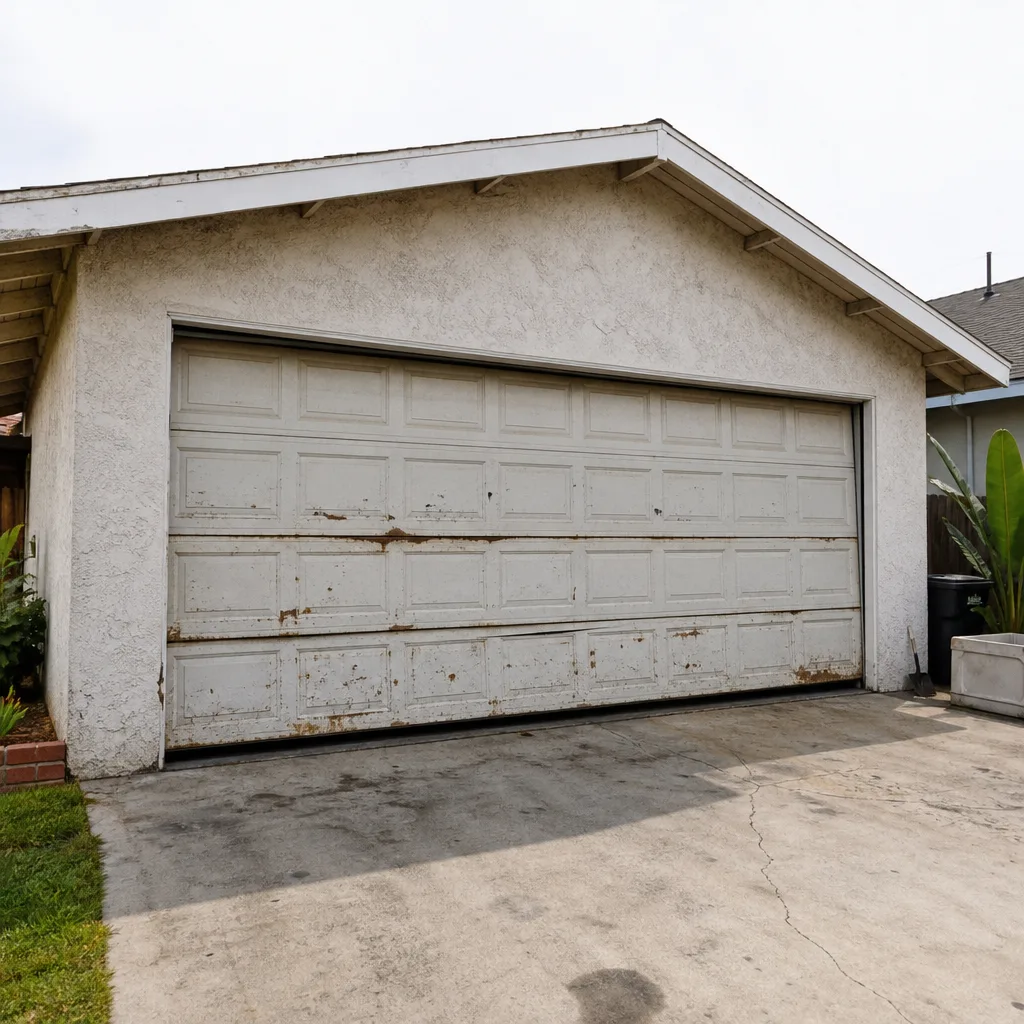 Before
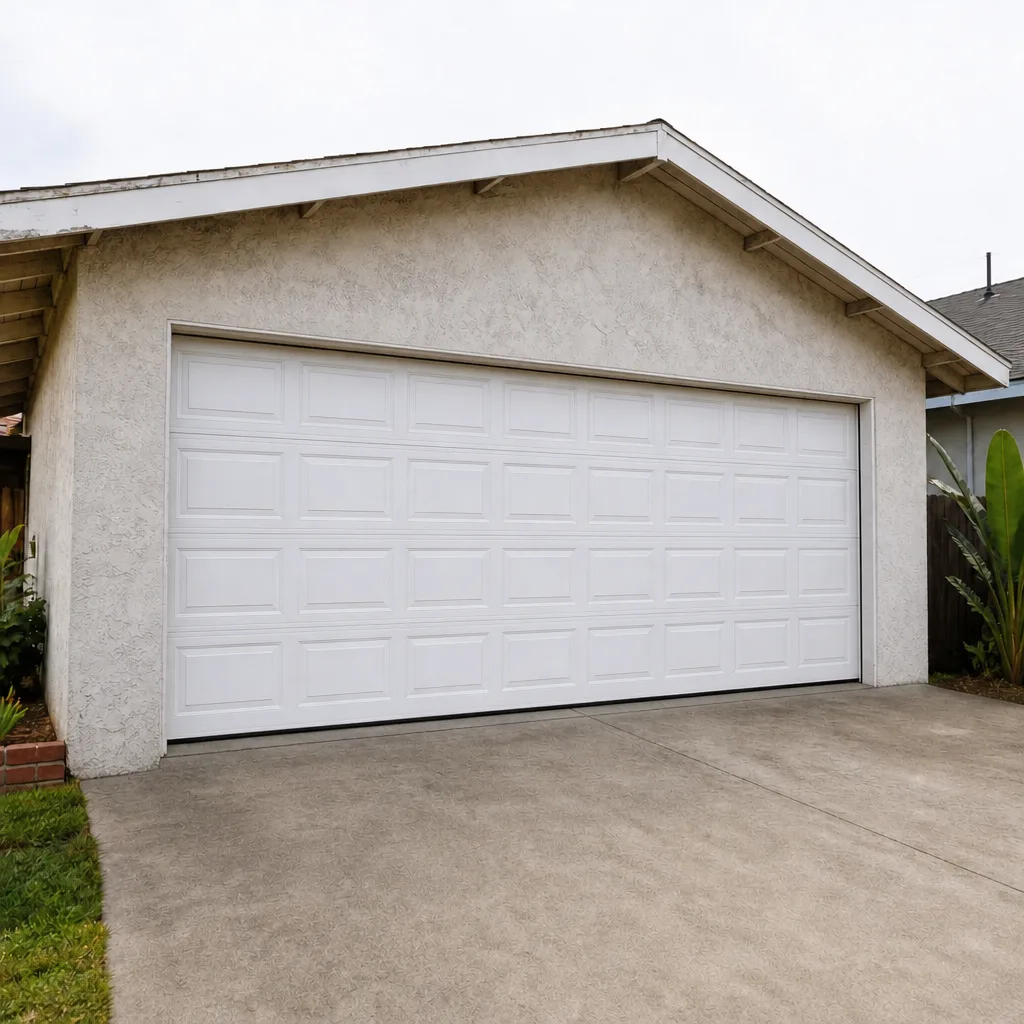 After