
Last updated November 4, 2026
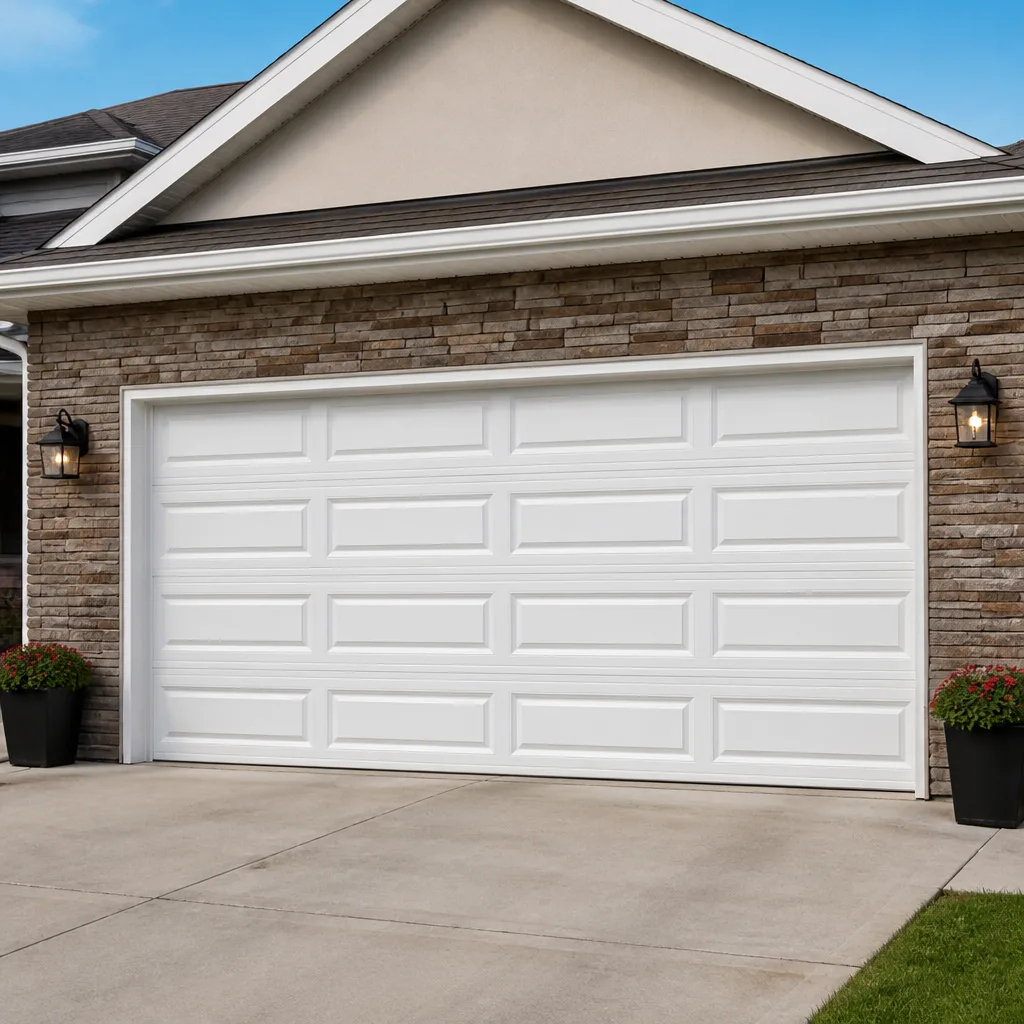 Raised-panel steel
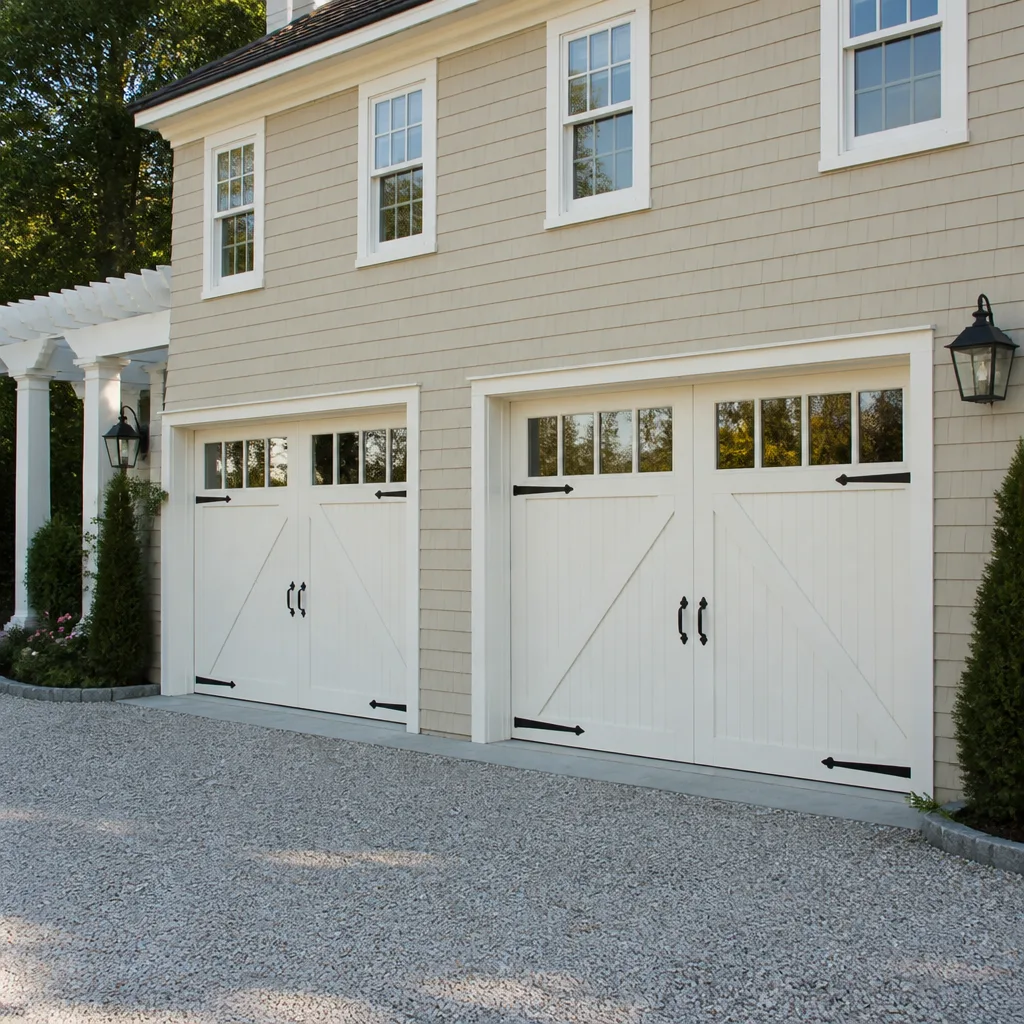 Carriage house
 Modern flush
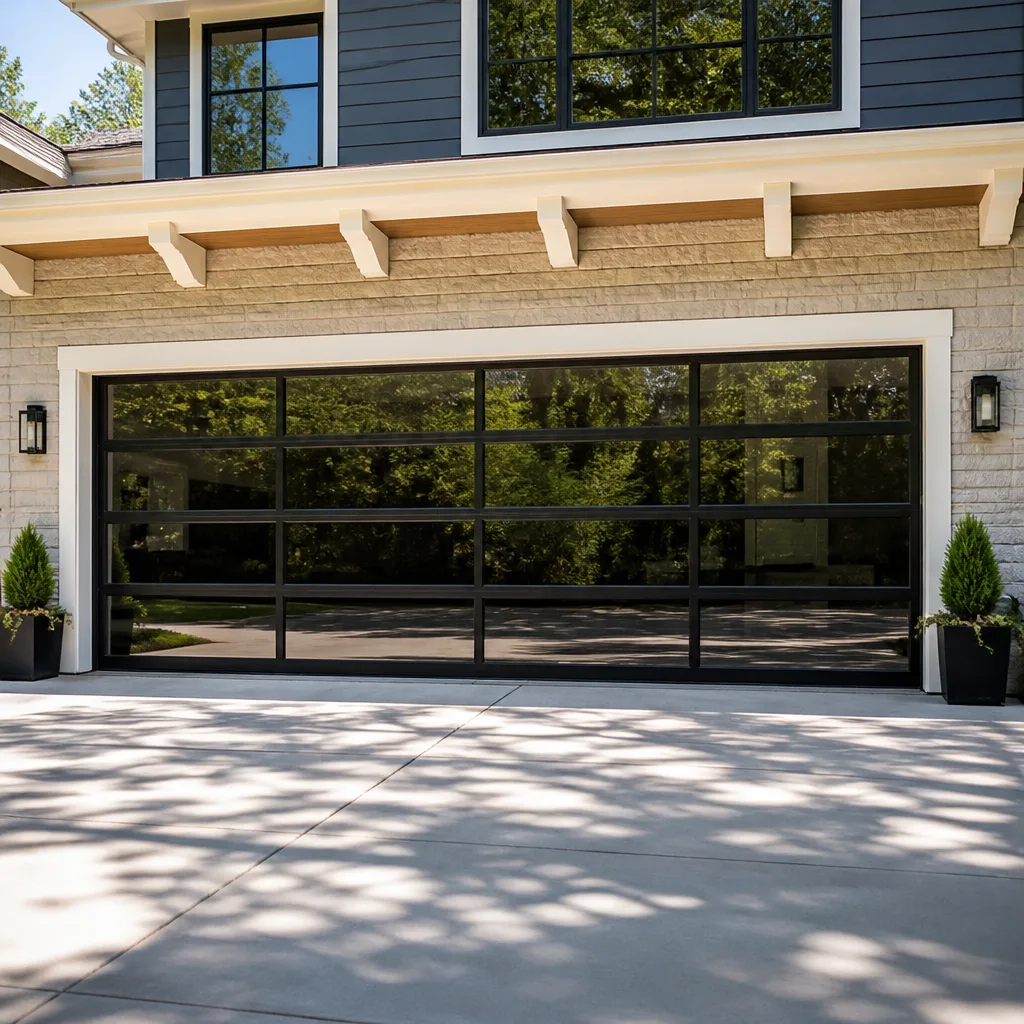 Full-view glass
 LiftMaster openers
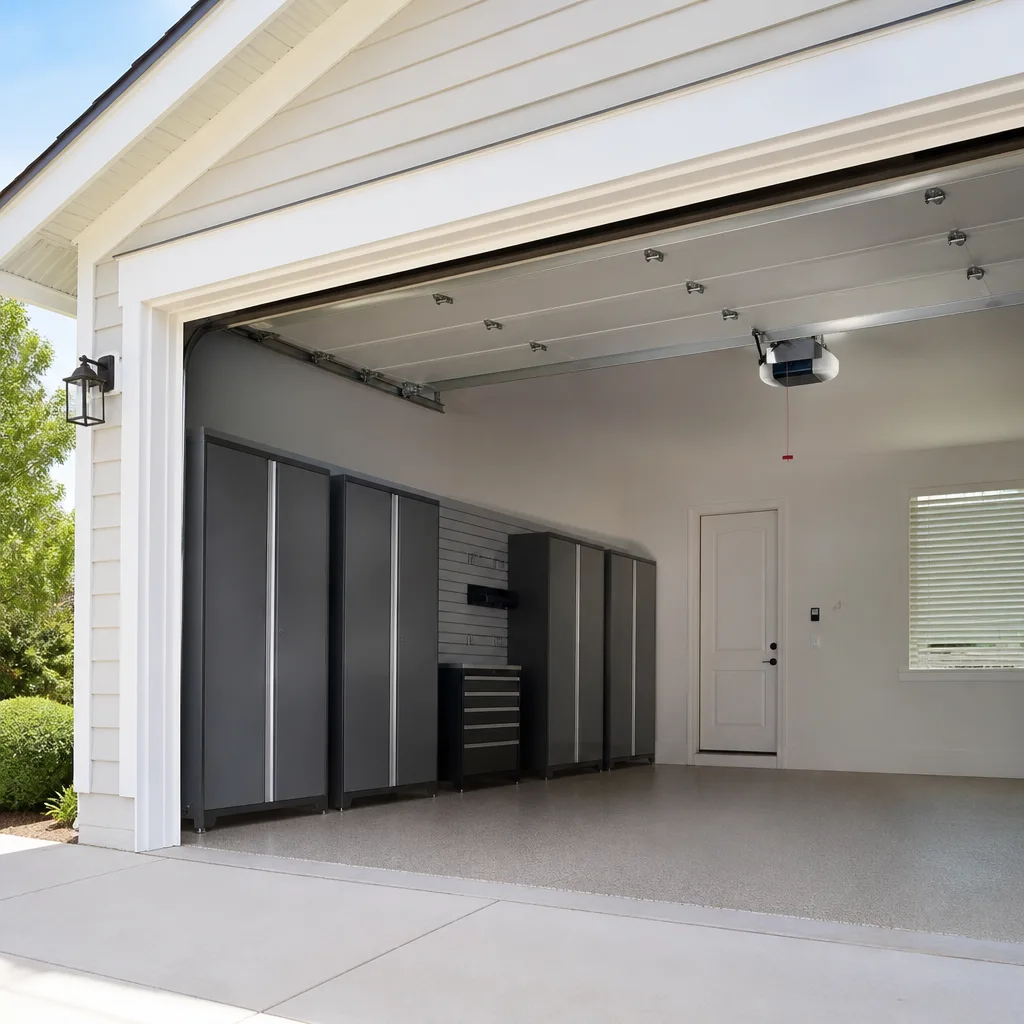 Chamberlain openers
Full 25-point door and opener safety check with every visit - springs, cables, rollers, tracks, and your LiftMaster or Chamberlain opener included
You get a price before we start. It does not change when the truck arrives.
Get your free estimateDIY vs Professional Garage Door: The Whittier Homeowner’s Decision Guide
Most Whittier homeowners approach a garage door problem the same way: open YouTube, watch a six-minute tutorial, and figure they can handle it. Sometimes that’s true. Other times, that decision leads to a hospital visit. The real question isn’t whether you’re handy. It’s whether the specific task carries genuine injury risk, requires specialized tools, or could void a warranty if done slightly wrong. This guide separates the jobs you can safely do yourself from the ones where calling a professional isn’t just easier, it’s the only responsible choice. We’ll walk through each common repair task, the physics behind the dangerous ones, and what things actually cost in Whittier.
Quick Answer
Most garage door maintenance tasks in Whittier, like tightening hardware or replacing weatherstripping, are safe DIY projects. Torsion spring replacement, cable work, and anything involving the door’s counterweight system should always be handled by a trained professional because the stored energy in a wound spring can cause severe injury. Opener installation sits in between: mechanical repairs are often DIY-appropriate, but electrical wiring and torque calibration are professional work.
Styles & brands we work with
- Raised-panel steel
- Carriage house
- Modern flush
- Full-view glass
- LiftMaster openers
- Chamberlain openers
Table of Contents
- Which Garage Door Tasks Are Actually Safe to DIY
- Why Torsion Springs Are Dangerous (And Never a DIY Job)
- Garage Door Opener Installation: The Warranty Trap
- Honest Cost Comparison: DIY vs Professional in Whittier
- California Liability: What Happens If Your DIY Door Hurts Someone
- Tools You’ll Need (And What Professionals Have That You Don’t)
- Common Mistakes to Avoid
- When to Call a Professional
- Frequently Asked Questions
Which Garage Door Tasks Are Actually Safe to DIY
The honest answer is that plenty of garage door work in Whittier is safe for a capable homeowner. The key is understanding which parts of the system are under tension and which are not. If the part doesn’t store energy, doesn’t require lifting the full weight of the door, and doesn’t touch electrical wiring, you can probably handle it. We’ve had customers call us for simple lubrication jobs they thought were major mechanical failures, and we’ve also had customers try to fix dangerous spring problems because a video made it look easy.
Here’s the breakdown of tasks that are genuinely DIY-appropriate for most Whittier homeowners:
- Lubricating rollers, hinges, and tracks – Use a silicone-based lubricant, not WD-40. Takes 20 minutes.
- Tightening loose bolts and screws – The vibration of daily use loosens hardware over time. A socket wrench handles this.
- Replacing weatherstripping – The bottom seal on a garage door wears out every few years. It slides into a track and requires no special tools.
- Cleaning and inspecting tracks – Wipe down tracks with a rag, check for dents, and make sure nothing is obstructing the rollers.
- Testing the auto-reverse safety feature – This is a two-minute check every homeowner should do monthly.
- Replacing batteries in remotes and keypads – If your opener works from the wall button but not the remote, it’s almost always a battery.
None of these tasks require touching the spring system, cables, or the motor. They’re about keeping your existing equipment functioning, not fixing a failure. If you’re comfortable with basic household tools and can follow the manufacturer’s manual, these are safe weekend projects for any Whittier home.
Why Torsion Springs Are Dangerous (And Never a DIY Job)
Here’s what most DIY tutorials gloss over: a torsion spring on a closed garage door is holding hundreds of pounds of stored energy. When that spring is wound, it’s under tension. If it snaps while you’re working on it, or if the winding bar slips, that energy releases instantly. The result is a metal bar or spring fragment moving with enough force to break bones, cause deep lacerations, or worse. This isn’t an exaggeration and it isn’t a scare tactic. It’s physics, and it’s why experienced technicians treat spring work with real respect.
The winding process itself is the problem. Torsion springs are wound using two metal bars inserted into a winding cone. You wind the spring a quarter turn, reposition the bar, wind another quarter turn, and repeat. If a bar slips while you’re mid-wind, the spring unwinds violently. A homeowner without training on how to brace their body, where to position their face and hands, and how to maintain control of both bars throughout the process has no way to react safely when that happens.
We worked on doors in Whittier where homeowners successfully replaced a spring after watching hours of tutorials. We’ve also arrived at homes where a homeowner tried and couldn’t finish the winding, leaving a dangerous half-wound spring over a closed door. The margin between those two outcomes is training and repetition. A professional garage door repair technician winds and unwinds springs weekly. The body memory of how the spring behaves can’t be learned from a video.
Extension springs, the kind that stretch along the horizontal track on older doors, have the same danger profile. They store energy when stretched, and if one breaks while you’re underneath it, the spring and cable can become projectiles. The only safe advice is this: if the repair involves a spring, call a professional. No amount of money saved is worth the risk.
Garage Door Opener Installation: The Warranty Trap
Installing a new garage door opener seems more approachable than spring work. You unbox the unit, bolt it to the ceiling, connect the rail, and program the remote. Plenty of Whittier homeowners have done this successfully. But there’s a catch that most people don’t realize until it’s too late: a homeowner-installed opener can void the manufacturer warranty if the torque settings aren’t calibrated correctly.
Openers from brands like Chamberlain and Genie include force settings that control how much power the motor applies when opening and closing the door. These settings need to match the actual weight and balance of your specific door. If the door is heavier than the opener expects, the motor strains and the drive gears wear prematurely. If the setting is too low, the door won’t close reliably. Calibrating this correctly requires a torque gauge or, at minimum, a careful process of testing the door’s balance with the opener disconnected.
The other warranty issue is installation documentation. Many opener manufacturers ask for proof of professional installation when processing a warranty claim for a failed motor. They know that a correctly calibrated opener rarely fails, while an improperly installed one fails early. If you install the opener yourself and it fails within the warranty period, you may be stuck paying for a replacement out of pocket.
For Whittier homeowners specifically, there’s a local consideration too. The city’s older homes, especially in the Hadley neighborhood or along the older sections of Greenleaf, often have doors that were installed decades ago and may not be perfectly balanced anymore. A new opener installed on an unbalanced door will burn through its motor quickly. A professional checks door balance before mounting the opener, something a DIY installation often skips.
Honest Cost Comparison: DIY vs Professional in Whittier
Let’s look at the actual numbers for three common jobs. The goal here is to help you make a clear-eyed decision about when DIY actually saves money and when it doesn’t.
Bottom Seal Replacement
- DIY cost: $15-$40 for the seal material, about 45 minutes of work
- Professional cost in Whittier: $80-$150 including the seal and labor
- Verdict: DIY is reasonable. This is a low-risk job that requires no special tools.
Garage Door Opener Troubleshooting and Repair
- DIY cost: $20-$60 for replacement parts like sensors or remotes, 1-3 hours of diagnostic time
- Professional cost in Whittier: $100-$250 depending on the specific failure
- Verdict: Depends on the issue. Battery replacement is obviously DIY. A door that reverses when closing could be a sensor alignment issue (DIY) or a logic board failure (professional). garage door opener repair specialists can diagnose quickly because they’ve seen the failure pattern before.
Torsion Spring Replacement
- DIY cost: $50-$100 for a pair of springs, plus the cost of winding bars, plus the risk of serious injury
- Professional cost in Whittier: $180-$340 for a single spring, $300-$500 for a matched pair replaced together
- Verdict: Not a DIY job. The savings do not justify the risk, and a professional has the right springs in the truck, not just whatever Amazon delivered.
One more honest note: when you do a job yourself, your time has to be worth something. A bottom seal that takes you two hours because you’re watching videos and figuring it out as you go isn’t really saving much. And if you make a mistake, the professional repair costs more than it would have originally because the technician now has to undo your work first.
California Liability: What Happens If Your DIY Door Hurts Someone
California homeowners insurance typically covers injuries that happen on your property, including injuries caused by a garage door. But there’s a caveat, and it matters. If the injury happened because of a repair you performed yourself, the insurance company may investigate whether the repair met basic safety standards. If they determine the door was left in an unsafe condition, they could deny the claim or subrogate it back to you personally.
This isn’t unique to garage doors, but garage doors are a special case because they’re the largest moving object in most homes. A door that’s improperly spring-balanced can crash down in seconds. A door with a failed auto-reverse feature can pin a child or pet. If a court finds that a DIY repair contributed to the injury, the financial exposure goes well beyond what a professional repair would have cost.
The other California-specific factor is renters and landlords. If you rent a home in Whittier and attempt a garage door repair, you may be violating the terms of your lease, which typically assigns property maintenance to the landlord. And if you’re a landlord who treats a tenant’s garage door repair as a DIY project, you’re taking on liability for any injury that results. The professional route, with documentation of what was done and when, creates a paper trail that DIY work simply doesn’t have.
Tools You’ll Need (And What Professionals Have That You Don’t)
For the DIY-appropriate tasks we listed earlier, you need basic household tools: a socket set, a screwdriver set, a lubricant can, and a step ladder. That’s about it. The reason professional work costs what it does isn’t because the tools are exotic. It’s because the right tools for major repairs are specialized and expensive.
A professional winter in Whittier doesn’t exist, but the tools stay the same year-round. Here’s what a technician brings to a spring replacement or opener calibration that most homeowners don’t own:
- Winding bars – Specific diameter steel bars that fit the winding cone precisely. Using a screwdriver or rebar is how injuries happen.
- Torque gauge – Measures the actual force required to lift your specific door, ensuring the opener settings are correct.
- Spring measurement tools – A spring has a specific wire diameter, inside diameter, and length. Using the wrong spring is dangerous, and guessing is worse.
- Bearing maintenance tools – Worn bearings are often the root cause of a noisy door, and replacing them properly requires tools most homeowners don’t have.
We work on the brand you already have. That’s our approach at Garage Door Service Whittier, and it means we stock parts and tools that cover LiftMaster, Chamberlain, Genie, Clopay, Amarr, and Raynor systems. A homeowner facing a specific brand’s quirk doesn’t have that breadth. The first time you encounter a Genie screw-drive rail or a Chamberlain belt-drive tensioner, you realize why the professional exists.
Common Mistakes to Avoid
- Using the wrong lubricant. WD-40 is a solvent, not a garage door lubricant. It strips away the grease that actually protects your rollers and hinges. Use a silicone or lithium-based lubricant instead.
- Assuming the opener is broken when the door is off balance. If your door is hard to open manually, the spring is likely the problem, not the opener. Replacing the opener won’t fix it, and the new opener will fail early from the added strain.
- Trying to adjust a spring by eye. A spring that looks slightly loose may be exactly where it needs to be. A spring that’s over-wound by a quarter turn can cause the door to fly up unexpectedly. There’s no way to measure this without the right tools.
- Replacing one spring and leaving the old one. Springs are installed as a matched pair. If one broke, the other has seen the same number of cycles and is likely close behind. Replacing both extends the service life and keeps the door balanced.
- Dismissing a noisy door as normal. A garage door that grinds, squeals, or clanks is telling you something. It might be a bearing failure, a loose chain, or a worn roller. Ignoring it means a bigger repair later.
- Forgetting that Whittier gets hot. Our summers push garage temperatures past 100 degrees. That heat accelerates wear on plastic gears and rubber seals. If a plastic gear in your opener is original from years ago, it’s more brittle than you think.
When to Call a Professional
If your garage door is making a sound you haven’t heard before, or if it’s moving unevenly, or if you can see a gap in a spring, that’s the moment to call. The same goes for any time you feel the door’s weight when you pull the release cord. A balanced door should be nearly weightless to lift manually. If it feels heavy, something in the spring system has failed or is failing. Don’t guess. Don’t try to adjust it. Don’t watch another video. Call a professional who has done this exact repair hundreds of times. Whittier homeowners can reach us for a free estimate at (877) 752-8607. We answer 24/7. Fast dispatch from 7am to 7pm, Sunday through Friday.
Frequently Asked Questions
Garage door spring replacement in Whittier typically costs $180 to $340 for a single spring, and $300 to $500 for a matched pair, which is how springs are usually replaced. The final price depends on the specific spring size and door weight. The written estimate you get before work starts is the price you pay. Call (877) 752-8607 for an exact quote.
You can, but the torque calibration is the part most DIY installs get wrong. An opener that isn’t calibrated to your door’s actual weight will strain and fail early, and the manufacturer may not honor the warranty without professional installation documentation. If you’re comfortable with the mechanical mounting but unsure about the tuning, consider having the calibration done professionally.
In our experience, broken springs are the most common repair across Whittier, followed closely by opener failures and worn rollers. The mild climate doesn’t cause many weather-related problems, but daily use cycles add up. Most residential springs are rated for about 10,000 cycles, which translates to roughly seven to ten years of typical use.
No. The estimate you receive before work starts is the price you agree to, and that’s what you pay. If the technician finds additional issues while working, they’ll explain them and get your approval before doing anything else. Nothing is added to the bill without your sign-off.
Yes. We service equipment from LiftMaster, Chamberlain, Genie, Clopay, Amarr, and Raynor, among others. Our trucks carry a broad range of common parts, and we’re brand-agnostic: we fix what you have rather than pushing you toward a replacement you don’t need.
We answer 24/7. A call outside dispatch hours is booked into the next opening, Sunday through Friday, 7am to 7pm. Call (877) 752-8607 whenever the door fails, and we’ll get you scheduled as soon as the next technician is available.
The Bottom Line
The DIY vs professional decision for garage doors comes down to risk, not skill. You can safely lubricate, tighten, and replace weatherstripping on your own. You should never touch a spring, cable, or the counterweight system. Opener installation sits somewhere in between, and the warranty issue tips it toward professional calibration for most Whittier homeowners. The cost difference on a simple job is real, but the cost of a mistake, in dollars and injuries, is far larger. When the task involves stored energy, use a professional. Your garage door is the largest moving object in your home. Treat it with the respect that deserves.
Written by the team at Garage Door Service Whittier, serving Whittier since 2013.
See the difference
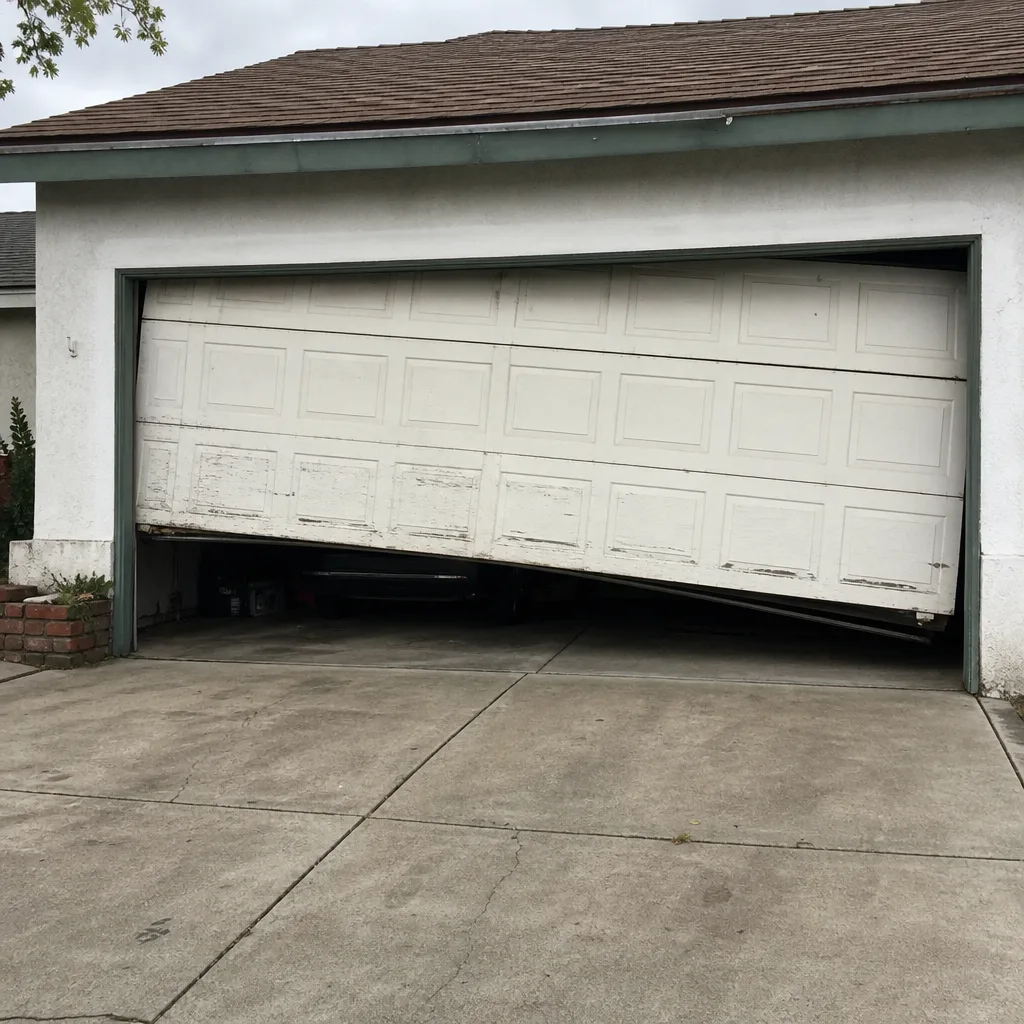 Before
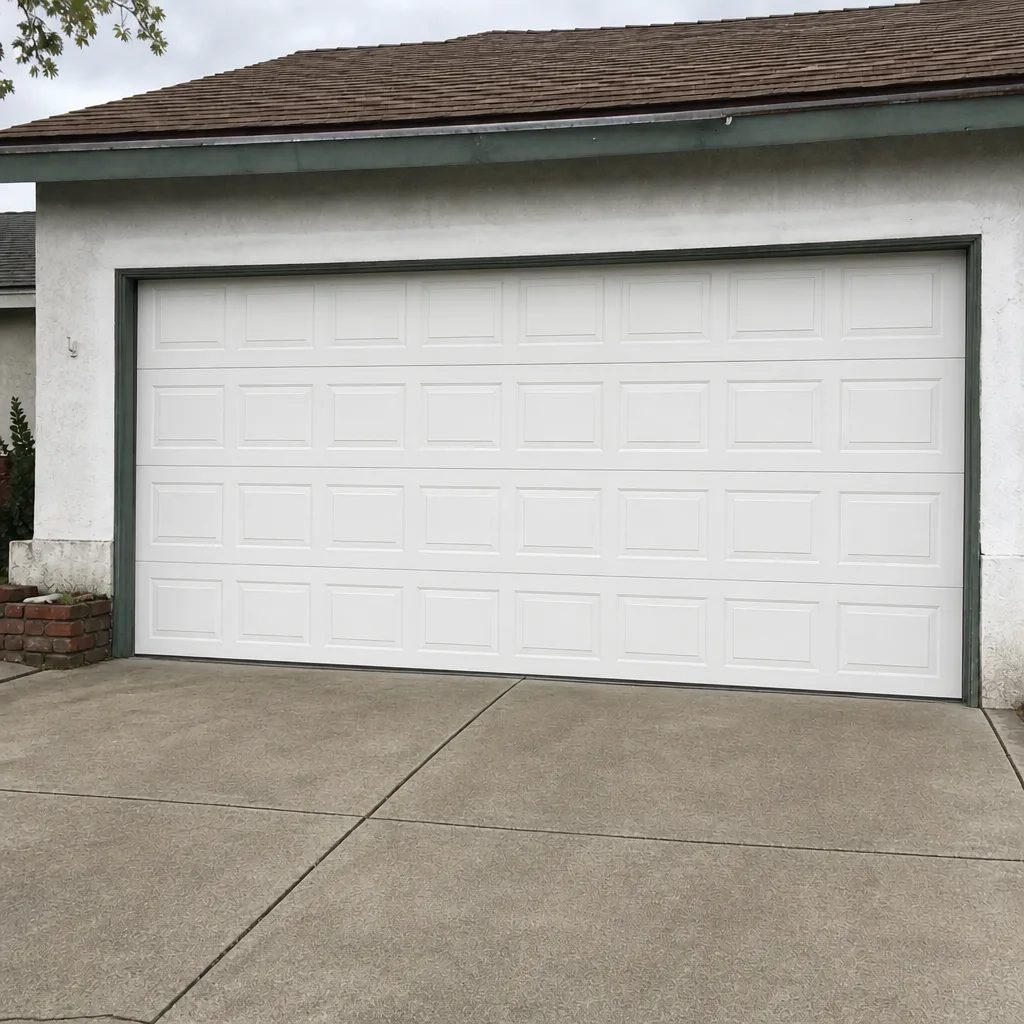 After
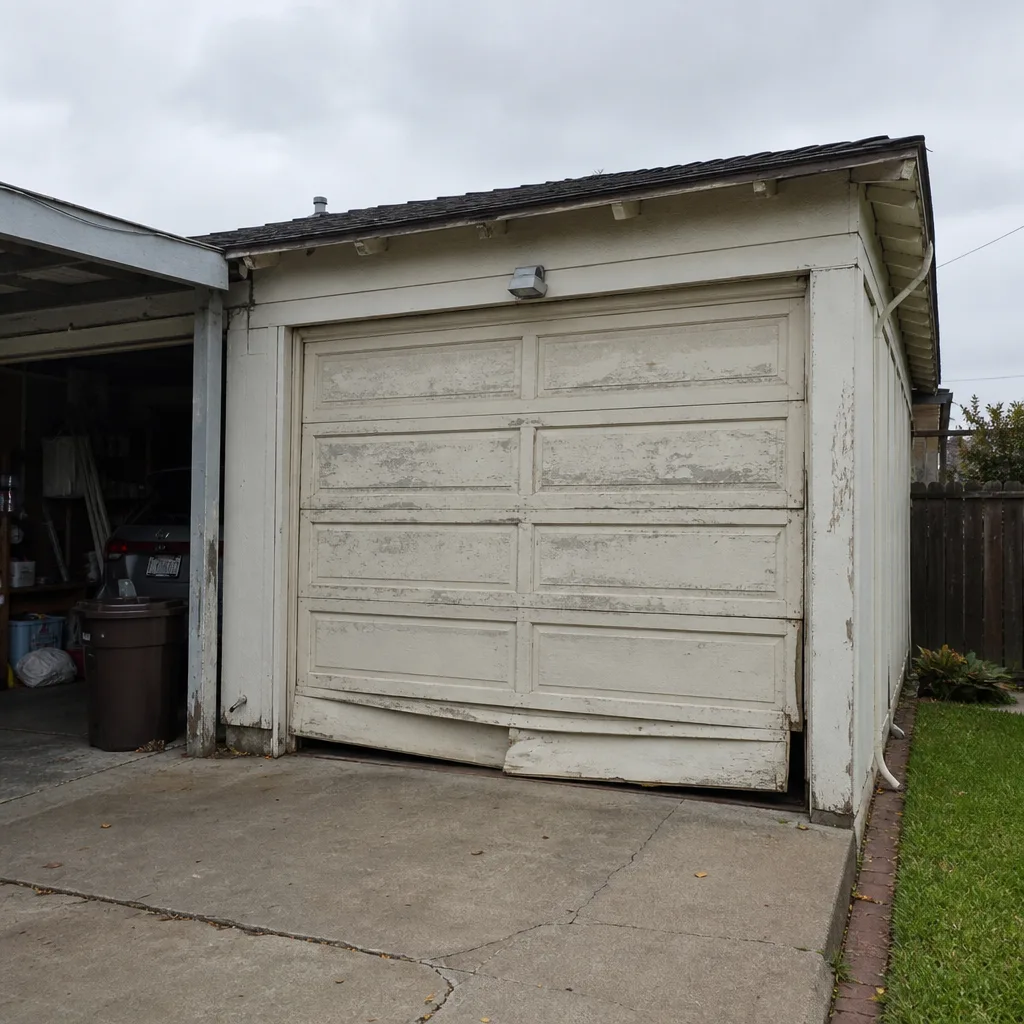 Before
 After
 Before
 After