
Last updated November 4, 2026
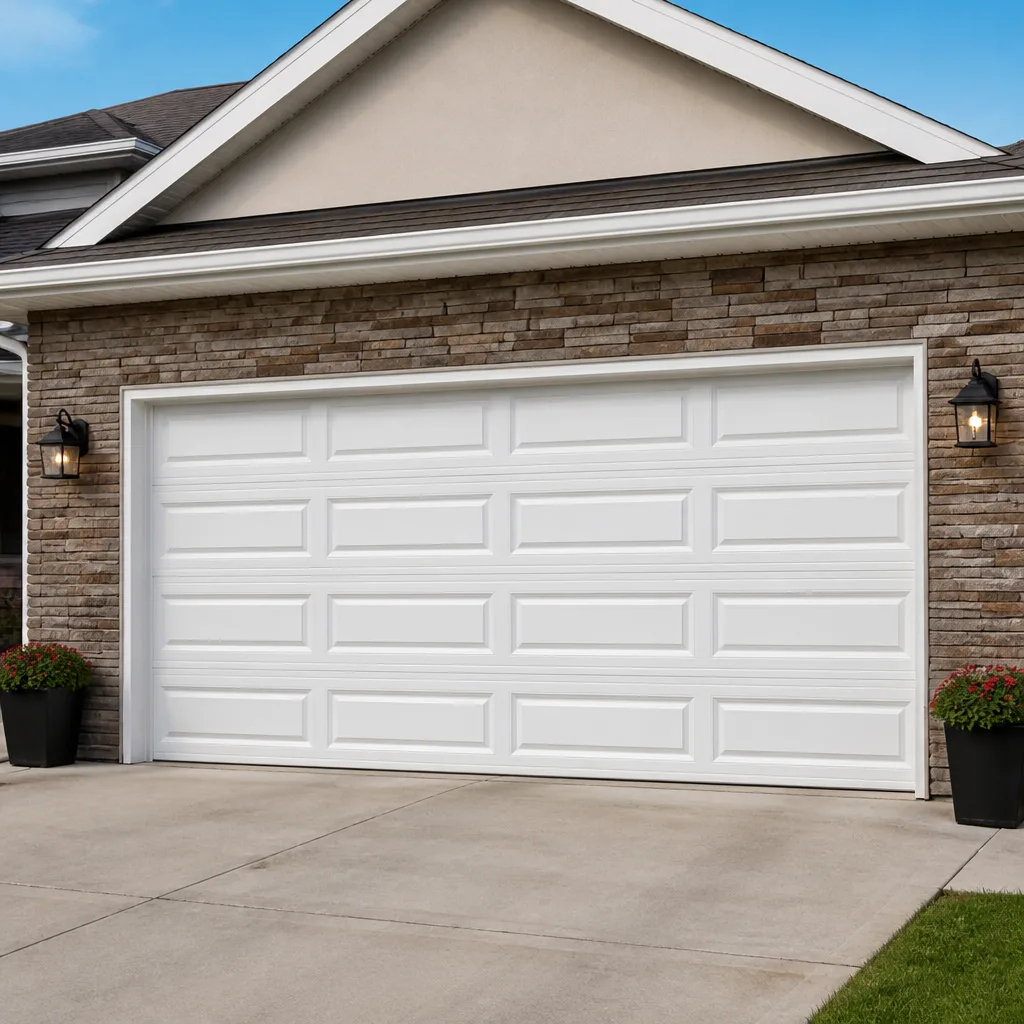 Raised-panel steel
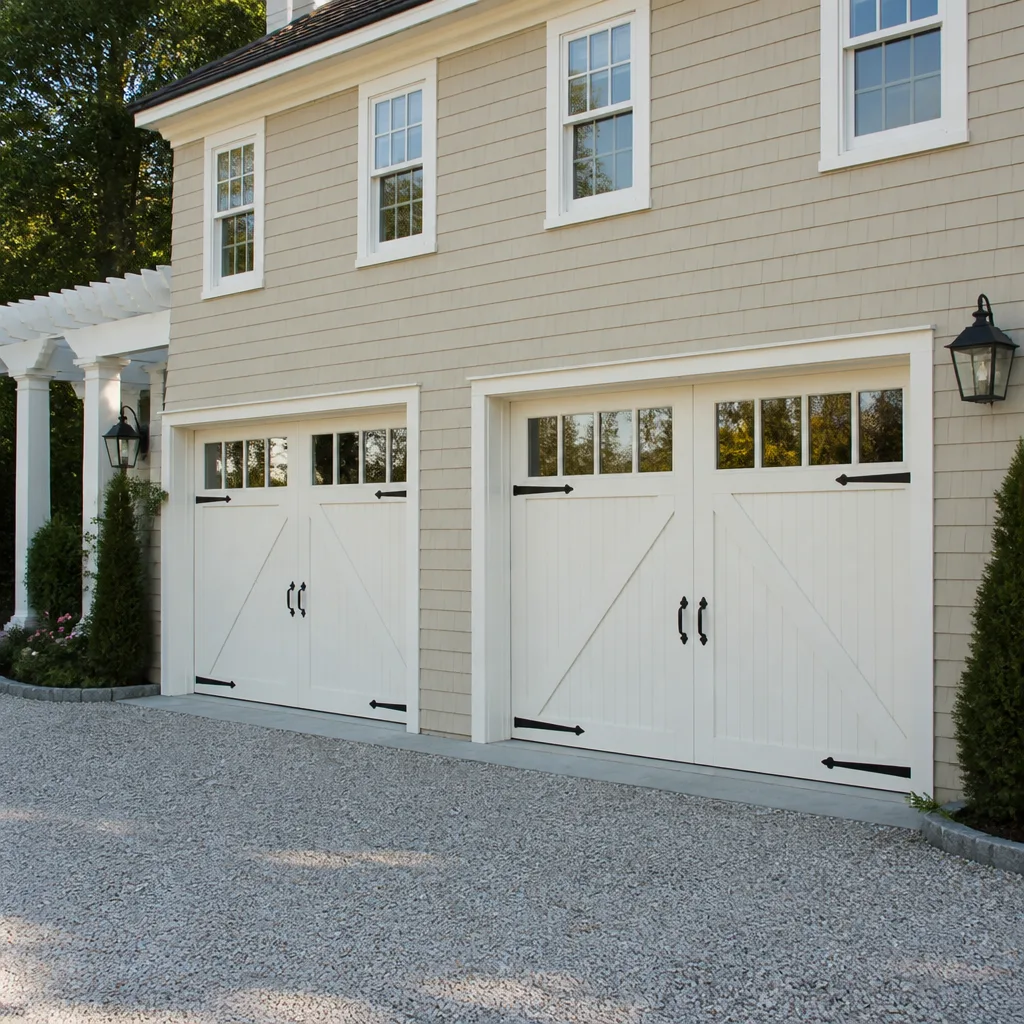 Carriage house
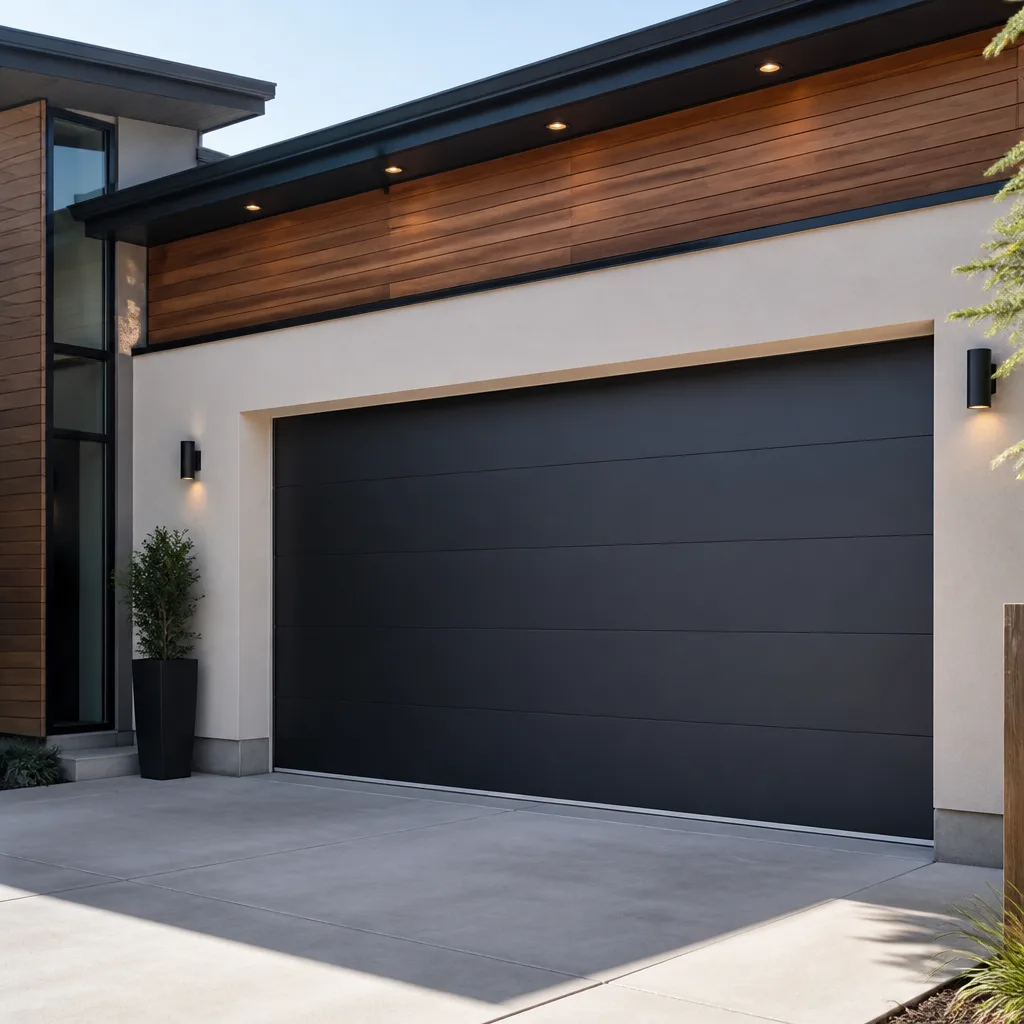 Modern flush
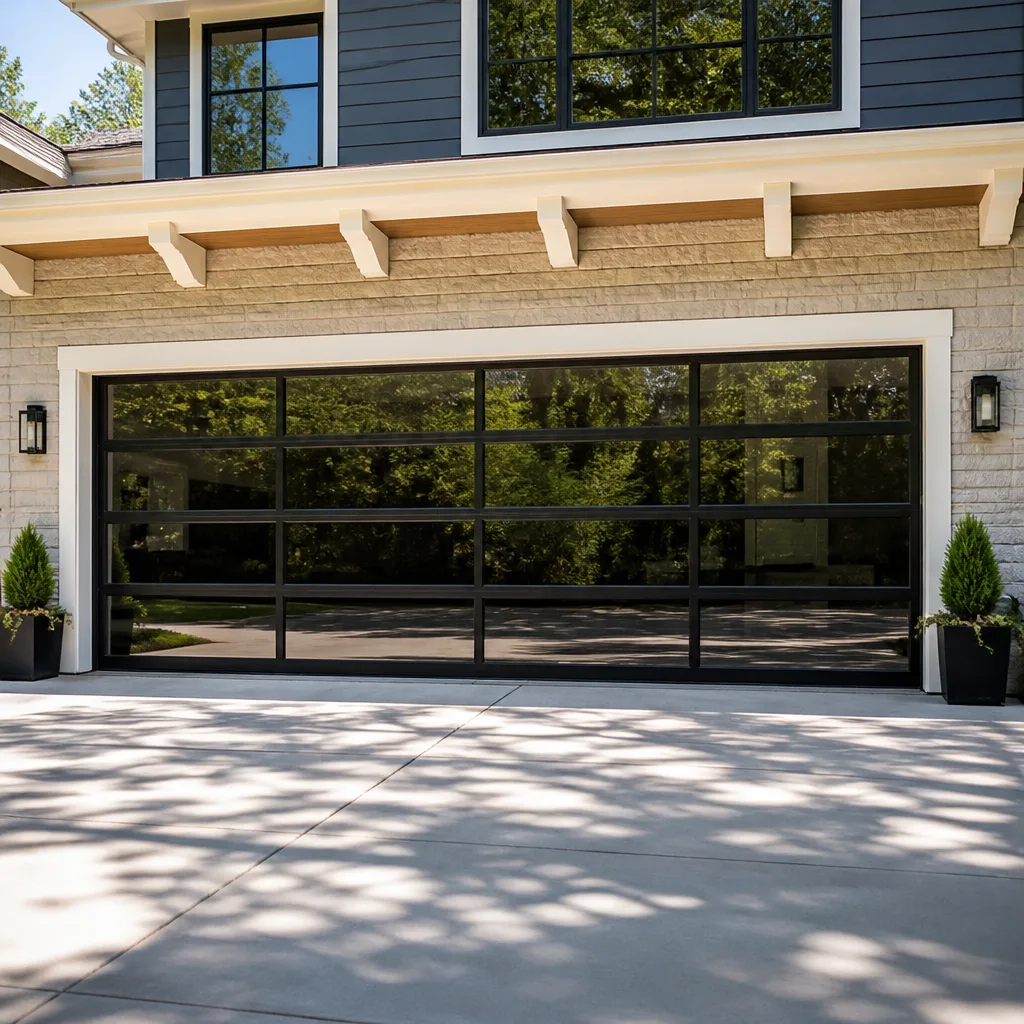 Full-view glass
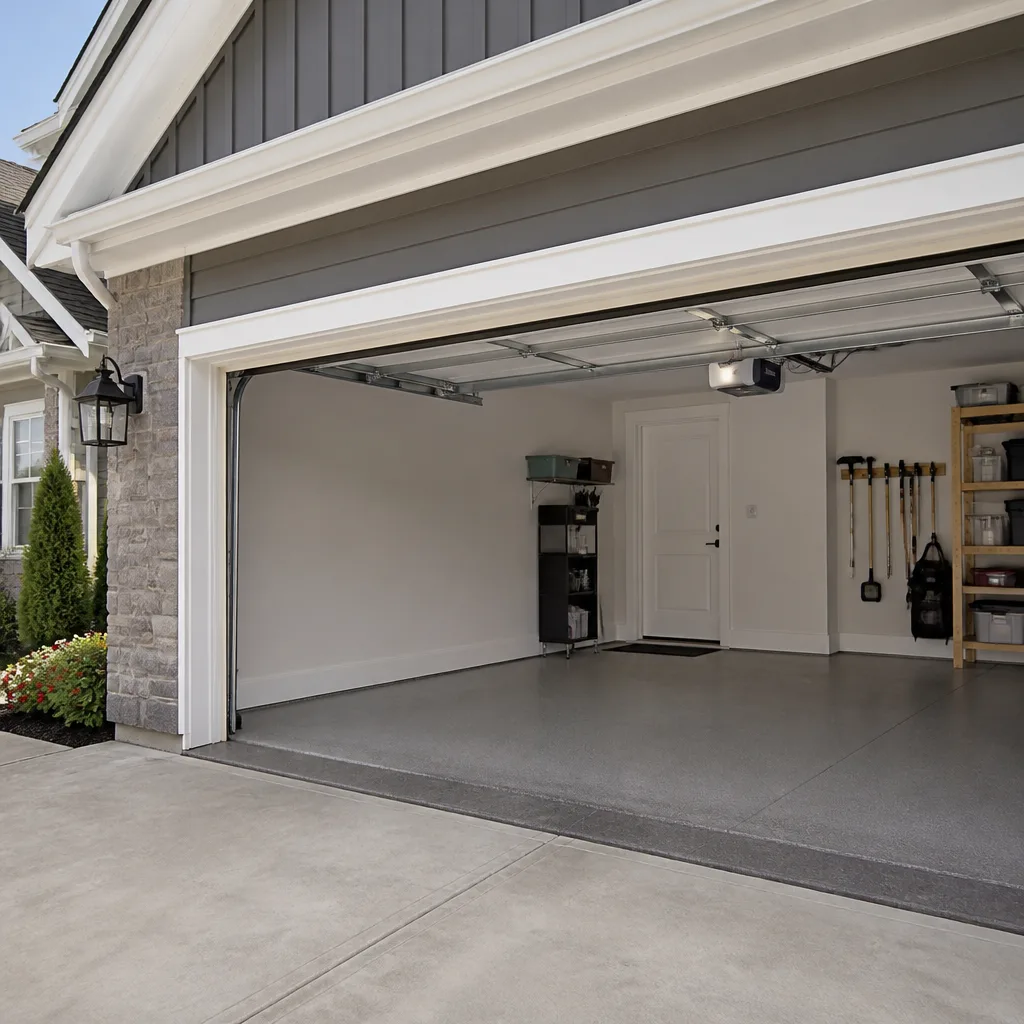 LiftMaster openers
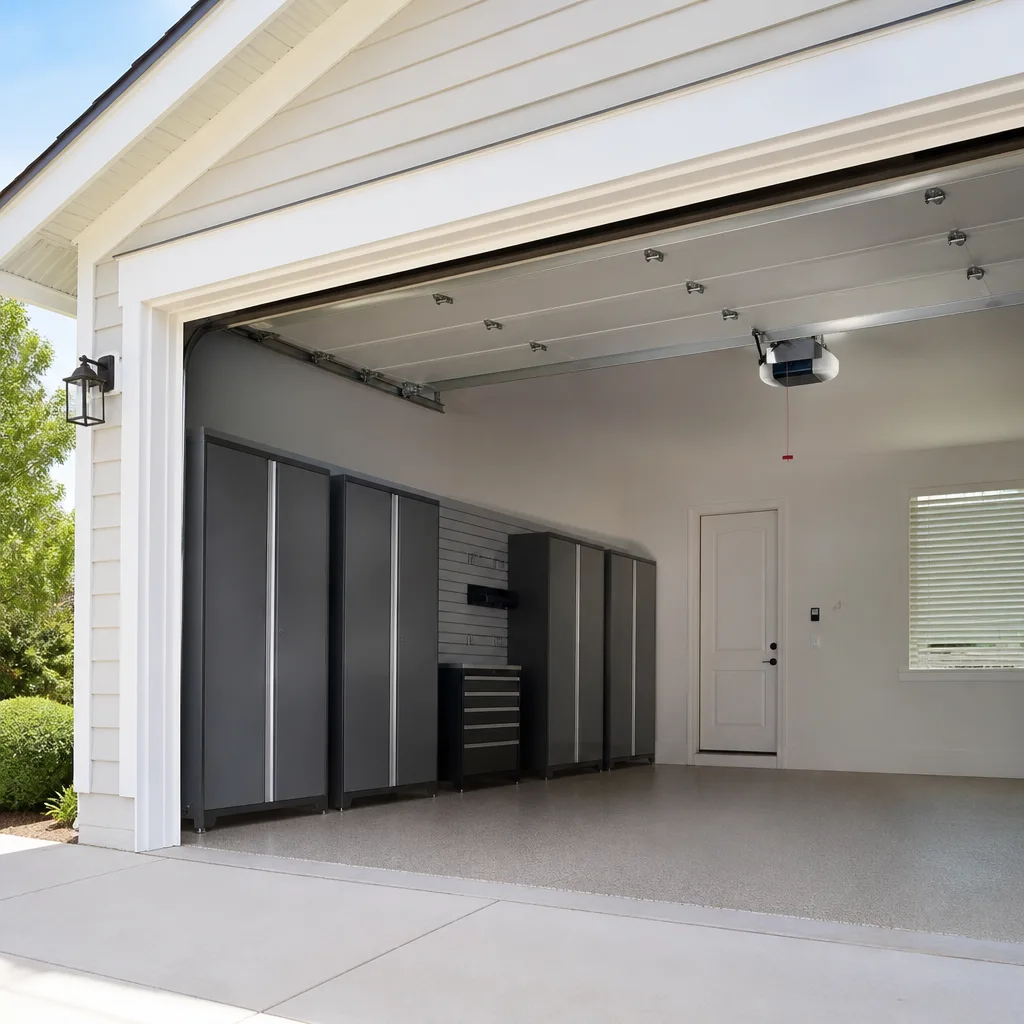 Chamberlain openers
Full 25-point door and opener safety check with every visit - springs, cables, rollers, tracks, and your LiftMaster or Chamberlain opener included
You get a price before we start. It does not change when the truck arrives.
Get your free estimateThe Complete Guide to Garage Doors in Whittier
Most homeowners in Whittier treat their garage door as an appliance, something closer to a refrigerator than a structural system. That mindset is exactly why a $40 roller replacement becomes a $400 track repair, and why a frayed cable turns into a door that slams down on a car. The garage door is the largest moving part of your home. In most Whittier houses built before 1990, it’s also one of the least-updated systems, yet it cycles 1,500-plus times a year without a second thought. This guide walks through how garage doors actually work, what fails on them in the San Gabriel Valley’s specific conditions, and how to make decisions you won’t regret paying for.
Quick Answer
A garage door in Whittier is a system of springs, cables, tracks, rollers, panels, and an opener that works together under constant tension. Most failures come down to one of three things: a broken spring, a malfunctioning opener, or panels and tracks that have taken too much wear on an older home’s framing. Knowing which layer of the system has failed determines whether you need a simple garage door repair, a specialized opener fix, or a full replacement.
Styles & brands we work with
- Raised-panel steel
- Carriage house
- Modern flush
- Full-view glass
- LiftMaster openers
- Chamberlain openers
Table of Contents
- How a Garage Door System Actually Works
- How Whittier’s Older Housing Stock Shapes Your Options
- Single-Layer, Double-Layer, and Triple-Layer Doors
- What the 2019 AB 1447 Law Changed for Whittier Homes
- Framing and Header Issues in Older Whittier Homes
- Repair, Replace Panels, or Replace the Whole Door: A Decision Map
- Common Mistakes to Avoid
- When to Call a Professional
- Frequently Asked Questions
How a Garage Door System Actually Works
Think of a garage door not as one piece but as a set of parts that all depend on each other. The panels are the visible face. The rollers and tracks guide the door as it moves. The springs do the heavy lifting. The cables transfer that lifting force to the door itself. The opener is just the motor that starts the movement. When one part fails, the others absorb the extra stress, and that’s when small problems compound.
The springs are the most misunderstood part. A garage door in Whittier that weighs 150 to 300 pounds is not lifted by the opener motor. The springs counterbalance the weight so the opener only has to nudge the door along. When a spring snaps, the door becomes dead weight. That’s the loud bang homeowners sometimes hear from inside the house. The opener may still try to lift the door, but without the spring’s counterbalance, the motor strains, the cables can jump the drums, and the door can come off its tracks.
Here’s the sequence of a normal cycle:
- The opener motor engages and pulls or pushes the trolley along the rail.
- The trolley pulls the door up while the springs unwind and release stored tension.
- The rollers follow the tracks, curving the door from vertical to horizontal position.
- When closing, the springs wind back up, storing energy for the next open cycle.
When any part of this sequence is off, even slightly, the whole system works harder. A door that jerks halfway up, a door that closes unevenly, a door that groans, or a door that opens three inches and stops are all signs of a system fighting itself. The fix isn’t always the opener. In our experience, homeowners often replace a perfectly good opener when the real problem is a worn roller or a spring that lost its tension.
How Whittier’s Older Housing Stock Shapes Your Options
Whittier’s housing stock is not like the newer developments further east in the Inland Empire or the tract builds in North Orange County. A large portion of the homes here went up between the 1940s and the 1980s. That matters for garage doors in ways most guides never mention. The opening sizes, the header construction, the side clearance, and even the type of opener you can install are all shaped by how the garage was originally framed.
Older Whittier garages tend to fall into a few categories. Many are single-car garages with an 8-foot-wide by 7-foot-tall opening. Some are the old “California bungalow” style where the garage was added later, often set back from the house with a narrower driveway approach. Others are mid-century homes with detached garages that have been through multiple door replacements already, each one leaving behind screw holes, shims, and slight modifications to the jambs.
What that means for a homeowner: the door you buy today has to fit the opening you already have, not the opening you wish you had. Retrofitting a wider opening or a taller one involves structural work on the header. That’s not a door replacement, that’s a construction project. In most cases, the smart move is to work with the existing framing and choose a door that fits it properly rather than forcing a modern size into an older opening.
The other thing we see in Whittier’s older homes is opener compatibility. Some pre-1990 garages have low ceilings or tight side clearances. A modern jackshaft opener, which mounts on the wall beside the door instead of hanging from the ceiling, can be a better fit in those garages. But not every door setup supports a jackshaft unit. The spring assembly and the door’s balance have to be correct first. We work on whatever system is already installed, because swapping one part without understanding the rest of the setup is how you end up with a door that never quite works right.
Single-Layer, Double-Layer, and Triple-Layer Doors
The R-value conversation gets a lot of attention in garage door marketing, but the truth is it matters differently in Whittier than it does in coastal cities or mountain towns. Here in the San Gabriel Valley, the heat is dry and the nights cool down. Insulation is less about keeping out freezing air and more about keeping the garage from turning into an oven in August, especially if there’s a room above the garage or the garage is attached to the house.
Here’s what the three door types actually are:
- Single-layer: One sheet of steel. No insulation, no backing. Lightweight, inexpensive, but thin. It dents more easily and transfers heat straight through. Common on older Whittier homes because that’s what was standard for decades.
- Double-layer: A steel outer skin bonded to an insulated backing, usually polystyrene. Better impact resistance, lower heat transfer, and quieter operation. This is the practical middle ground for most detached garages in Whittier.
- Triple-layer: Two steel skins with insulation sandwiched between them. This is the strongest and quietest option. For attached garages, especially in Whittier’s two-story homes where bedrooms sit above the garage, a triple-layer door makes a noticeable difference in temperature and noise.
One thing to be clear about: the R-value printed on a door is not a magic number. A triple-layer door with polyurethane insulation will typically outperform a double-layer door with polystyrene, even if the R-value labels look similar. Why? Because polyurethane fills the cavity completely and bonds to both steel skins, adding structural rigidity. Polystyrene boards are cut to fit, which can leave small gaps at the edges.
For most Whittier homeowners, the decision comes down to where the garage is. A detached garage in back? A single-layer or double-layer door is usually fine. An attached garage with living space above? Spend the extra on a triple-layer. You won’t see the difference in a spec sheet, but you will feel it in the room upstairs.
Brand-wise, we’ve installed and serviced plenty of doors from Wayne Dalton and Clopay in these situations, and the same principles apply across the board. It’s about the construction, not the logo. A well-built double-layer door will outperform a cheap triple-layer every time.
What the 2019 AB 1447 Law Changed for Whittier Homes
In 2019, California passed Assembly Bill 1447, which changed the rules for garage door opener installations across the state. The law’s core requirement is that all newly installed residential garage door openers must have battery backup capability. That means if the power goes out, the opener can still operate the door, at least for a limited number of cycles.
Why this matters in Whittier specifically: our power outages are not usually the storm-related outages you see in other parts of the country. They come from heat waves, grid strain, or the occasional Santa Ana wind event that knocks out equipment. When the power drops, a garage door without battery backup traps your car inside unless you know how to use the emergency release, and many homeowners don’t. The emergency release cord is the red handle hanging from the opener rail. Pulling it disconnects the door from the opener so you can lift it by hand. But that only works if the door is properly balanced. If it’s not, lifting a 200-pound door by hand is a job for two people, or a herniated disc waiting to happen.
So what does AB 1447 mean for a homeowner today?
- If you have an opener installed before 2019, it doesn’t have to be replaced. The law applies to new installations, not existing equipment.
- If you’re replacing your opener now, the new unit should have battery backup. Most current models from LiftMaster, Chamberlain, and Genie include it as a standard or optional feature.
- If you’re buying a home in Whittier and the garage has an older opener, you’re not required to upgrade. But it’s worth considering whether you want the convenience and safety of a battery backup unit the next time the opener fails.
This is also a reminder that garage door opener repair is its own discipline. Some companies treat openers as an afterthought, a box they swap out when the door won’t move. But the opener has its own logic board, sensors, gears, and remotes that all fail in their own ways. Diagnosing whether the problem is in the door or the opener is the first fork in the road, and getting it wrong means spending money on the wrong fix.
Framing and Header Issues in Older Whittier Homes
The header is the horizontal beam that spans the top of the garage door opening and carries the load from above. In newer homes, headers are typically engineered lumber or steel. In older Whittier homes, the header might be a pair of old-growth 2x12s nailed together, or worse, a single 2×6 that someone thought was good enough in 1962.
Why this matters for a garage door replacement: the header determines the height of the opening and how much clearance you have for the tracks and spring assembly. Standard garage door systems need about 12 inches of headroom above the opening for the tracks to curve properly. Some older garages have less. When there isn’t enough headroom, you need a low-headroom track system, which changes the angle of the door as it opens and requires a different spring configuration.
Side clearance is the other issue. Standard torsion spring systems need about 3 to 4 inches of clearance on each side of the opening for the drums and cables. Some older Whittier garages have the door opening tight against a corner or a wall, leaving almost no side room. That’s when a technician has to get creative with spring placement or track spacing. It’s also why the same model of door can install easily on one house and fight you the whole way on the next.
We’re not telling you to go measure your header. We’re telling you that older homes almost always have some framing quirk. A good installer in Whittier expects that and plans for it. A bad one shows up with a standard kit and starts drilling. One of the reasons we focus on garage doors only is that these quirks are what we deal with every day. A generalist doesn’t know to look for a sagging header or a jamb that’s drifted out of square, and the door suffers for it.
Repair, Replace Panels, or Replace the Whole Door: A Decision Map
Every garage door problem in Whittier ultimately lands in one of three buckets: fix the parts that move, replace the panels that are damaged, or replace the entire door. Making the right call requires looking at more than just the visible damage. Here’s the decision map we use.
Step 1: What actually failed? If the door won’t open, the problem is usually a spring, cable, roller, or opener. These are repairable in most cases. A snapped spring gets replaced. A frayed cable gets replaced, often in pairs. A bad roller gets swapped. None of these require replacing the door itself.
Step 2: Is the damage cosmetic or structural? If the door opens and closes fine but has a dent or a cracked section, that’s a panel replacement question. But panel replacement only makes sense if the door is still being manufactured. You can still get panels for current models from Clopay, Amarr, and Wayne Dalton. If the door is a discontinued model from 20 years ago, you may not be able to match the panel, and a mismatched section will always look like a patch.
Step 3: What’s the cumulative wear? This is the one most homeowners miss. A door with one failed part and otherwise good bones is a repair candidate. A door with a rusted bottom panel, worn rollers, tired springs, and an opener from the early 2000s is a different story. You can replace parts one at a time, but you’ll be back every year or two with another failure. At some point, the honest answer is that a new door costs the same as three years of piecemeal repairs and buys you a decade of quiet operation.
Step 4: What does your home need? If the garage is attached and you have rooms above it, an upgrade to a triple-layer door changes the comfort of the home. If you’re planning to sell in the next few years, a clean new door improves curb appeal immediately. If it’s a detached garage that just stores tools and a car you drive daily, a functional repair is often the smartest money.
We’ve walked Whittier homeowners through this decision more times than we can count. The ones who make the best decision are the ones who see the door as a system, not an appliance. That’s the whole point of this guide.
Common Mistakes to Avoid
- Ignoring a noisy door. A door that screeches or grinds is telling you something. A cycle that takes place 1,500-plus times a year multiplies small wear fast. A $40 roller replacement becomes a $400 track repair if the roller seizes and the door keeps cycling against it.
- Lubricating the wrong parts. Whitworth homeowners sometimes grab a can of WD-40 and spray everything. Wrong move. Rollers and hinges need a light garage door lubricant, the tracks should stay clean and dry, and the springs need only a light coat. Greasing the tracks attracts grit and makes the problem worse.
- Replacing the opener first. When the door won’t move, the opener is the easiest thing to blame. But a broken spring will stop the door even with a brand-new opener. Diagnose before you spend.
- Mismatching panel replacements. Even if you find a panel with the same dimensions, the color and texture won’t match a door that’s been in the Southern California sun for a decade. If the door is discontinued, a panel patch will always show.
- Forcing a new door into an old opening. Whittier’s older garages don’t always have the headroom or side clearance that modern doors assume. If a door doesn’t fit, the answer isn’t stronger shims. It’s a low-headroom track system or a door sized for the actual opening.
- Skipping the balance check. A door that’s out of balance wears out openers, rollers, and hinges faster. After any spring work, the balance should be checked by hand. It’s a two-minute test that catches problems early.
- Treating the door as a DIY weekend project. The panels are simple. The springs are under tension. The wrong move with a winding bar sends a chunk of metal through the air at high speed. There are some parts of this job where a trained professional is the only safe choice.
When to Call a Professional
Call a professional the moment you hear a spring snap, see a cable fraying, or notice the door hanging crooked on one side. Those are not maintenance issues. Those are failures in progress. A spring under tension, a cable under load, or a door that’s lost its balance all carry real risk of injury and property damage if handled wrong.
You should also call before buying a replacement door. The measurements that matter aren’t just the width and height of the opening. They include the headroom above, the clearance on both sides, the depth of the garage, and the condition of the framing. Getting any of those wrong means buying a door that doesn’t fit or paying for drywall and framing work you didn’t plan for.
If you’re in Garage Door Service Whittier territory, we offer free estimates on repair and replacement work. We work on the brand you already have, whether it’s a Craftsman opener or a Raynor door. Call (877) 752-8607 and we’ll give you a straight answer about what’s wrong and what it takes to fix it.
Frequently Asked Questions
A single torsion spring replacement typically runs between $180 and $340, but springs are almost always replaced in matched pairs because they wear evenly. A pair usually costs roughly twice that range. The exact price depends on the spring size, the door weight, and the labor involved. We quote the price before any work begins, so there are no surprises on the invoice. Call (877) 752-8607 for a free estimate.
Yes, most spring and roller failures can be repaired the same day if parts are available on the truck. We answer 24/7 and offer fast dispatch from 7am to 7pm, Sunday through Friday. When a door won’t open, we know you need it fixed now, not next week.
Replace a single panel only if the door is still in production and the damage is isolated to that section. If the door is discontinued, the color won’t match, and a mismatched panel will always look like a repair. If the door has multiple issues including worn rollers, tired springs, and an aging opener, a full replacement is usually the better long-term investment.
No. The 2019 California law applies to newly installed openers, not existing ones. If your opener predates the law and still works, you can keep it. When it does fail and you replace it, the new unit should include battery backup capability, which is standard on most current models.
A triple-layer door with polyurethane insulation is the strongest choice for an attached garage with living space above it. It reduces heat transfer in the summer and cuts down on noise. For a detached garage, a double-layer door with polystyrene insulation is usually a good balance of cost and performance.
Yes. We service equipment from LiftMaster, Chamberlain, Genie, Clopay, Amarr, Wayne Dalton, Craftsman, and Raynor. You don’t need to swap brands to get a repair done. If the system you own can be fixed, we’ll fix it. If it’s beyond saving, we’ll tell you that straight and show you replacement options.
The Bottom Line
A garage door in Whittier is a system, not an appliance. The springs, cables, tracks, rollers, panels, and opener all work together, and when one part fails, the rest absorb the strain. Older homes here present specific challenges: tighter headroom, less side clearance, and framing that’s been in place since the mid-century. Understanding those realities helps you make better repair and replacement decisions. Whether you need a spring replaced, an opener diagnosed, or a full door installed, the same principles apply: diagnose first, understand what you have, and get the price in writing before the work starts. If you’re not sure where to start, call us at (877) 752-8607. We answer 24/7. Fast dispatch from 7am to 7pm, Sunday through Friday.
Written by the team at Garage Door Service Whittier, serving Whittier since 2013.
See the difference
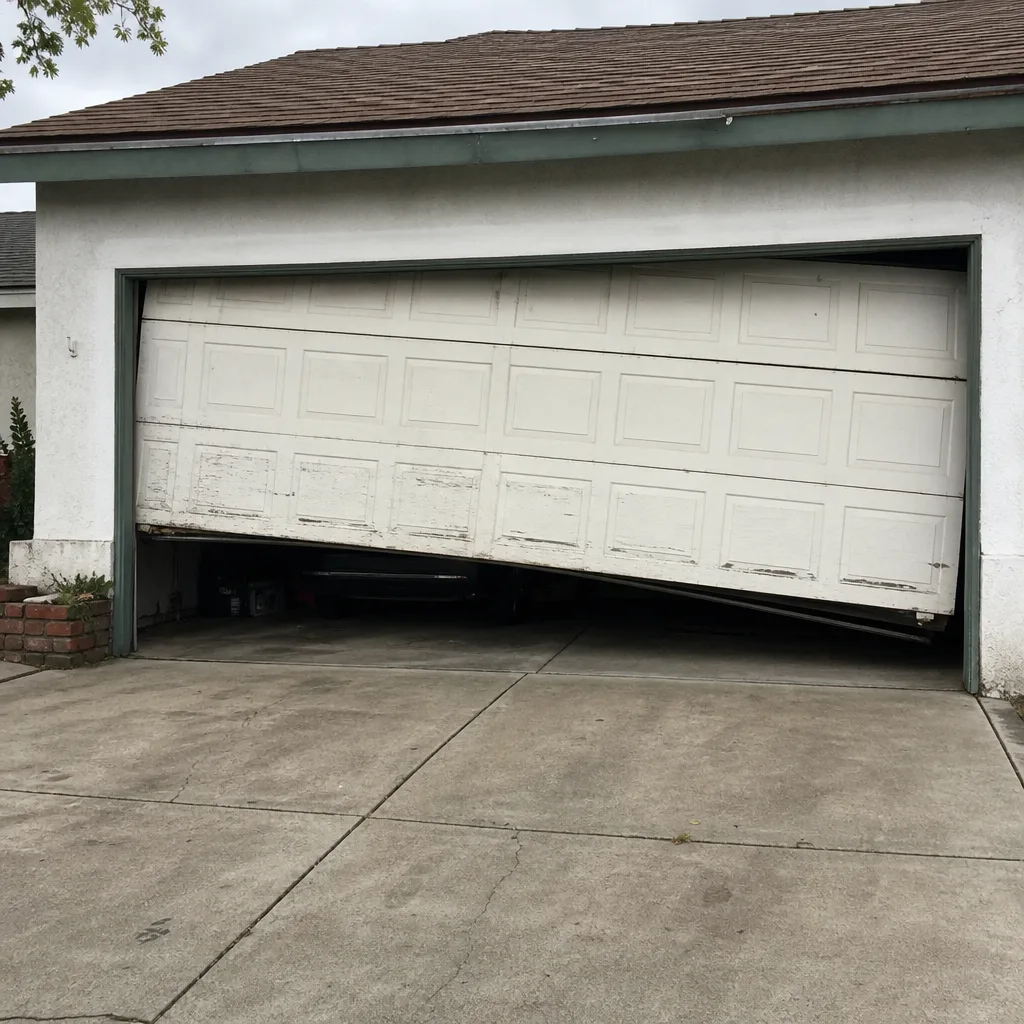 Before
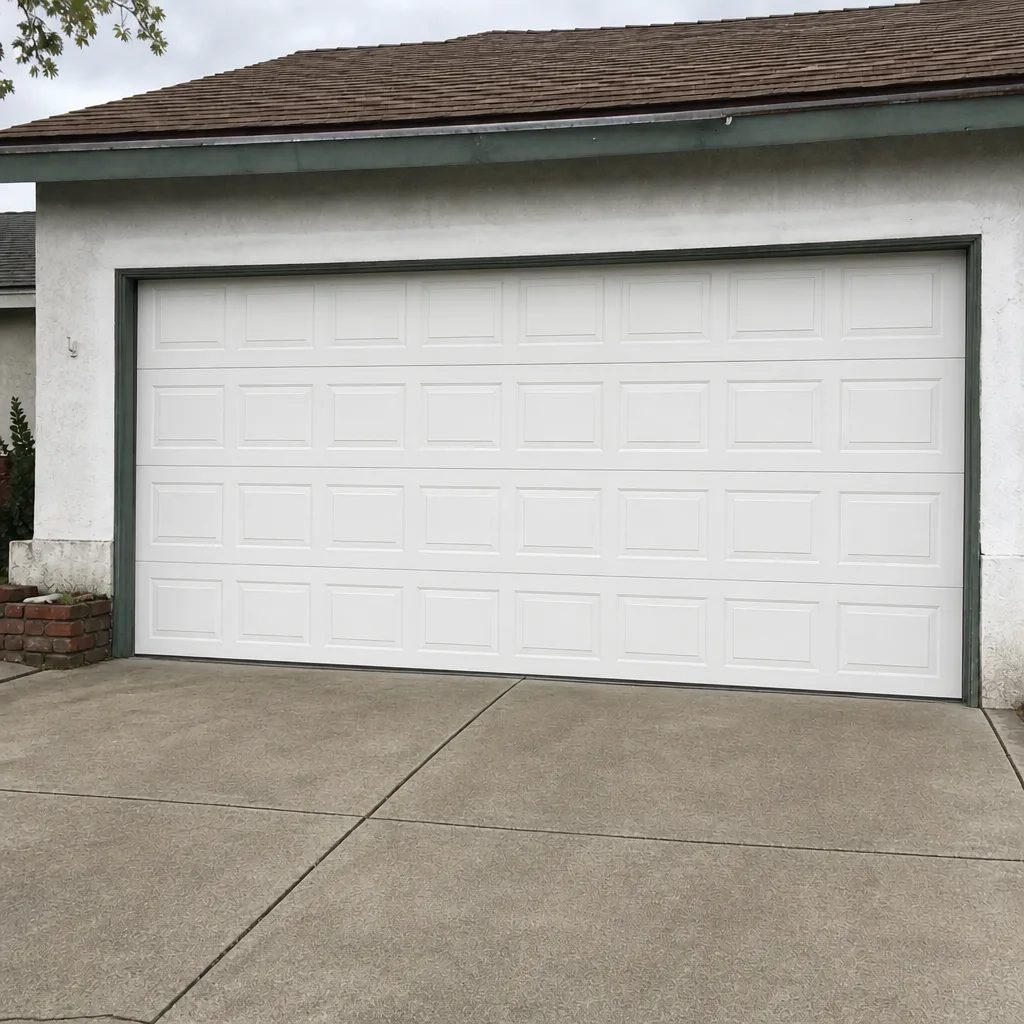 After
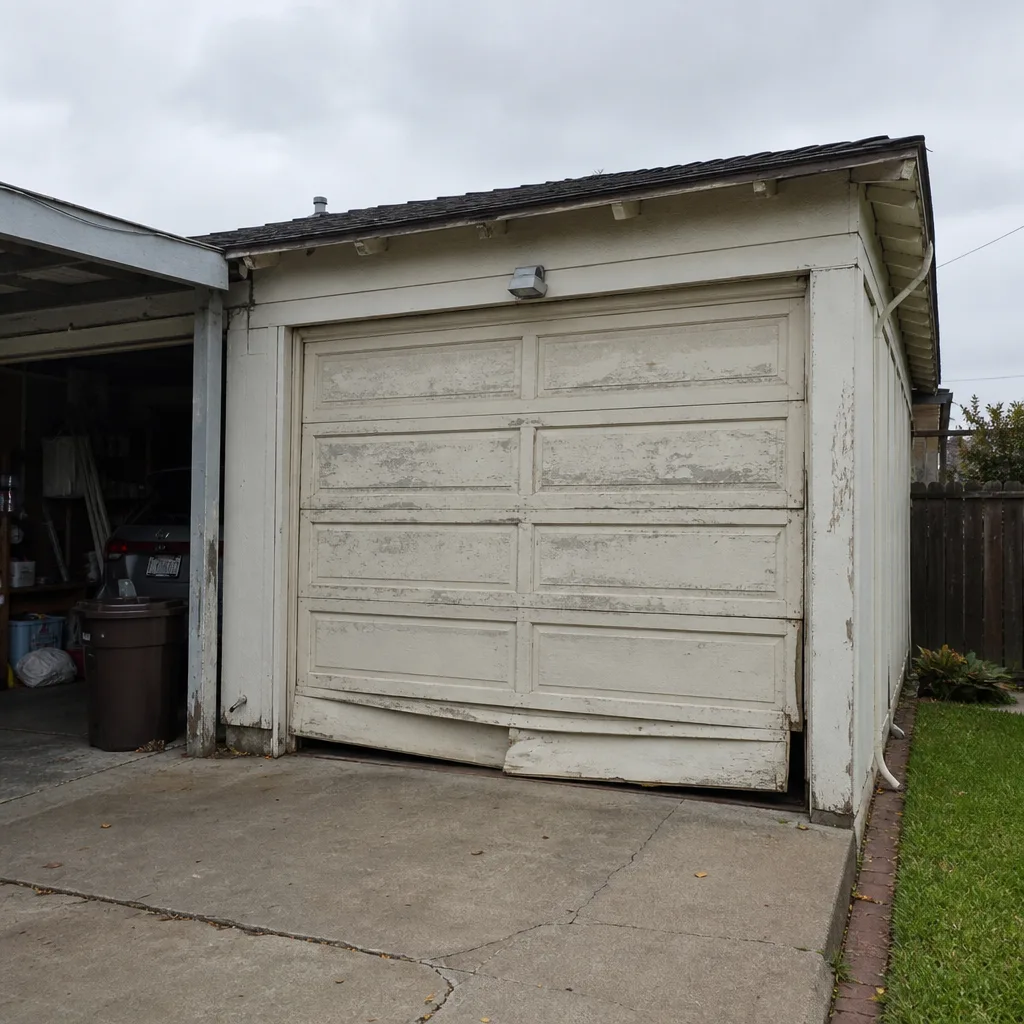 Before
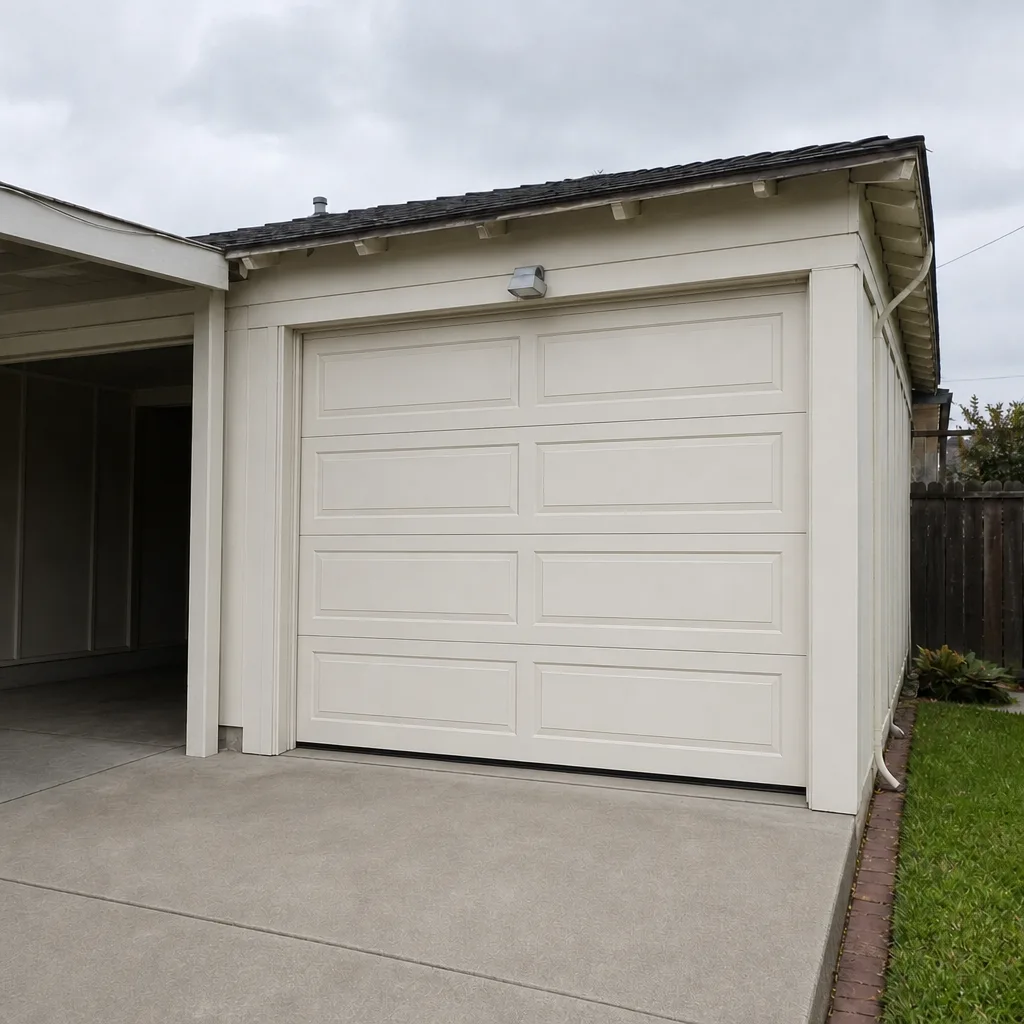 After
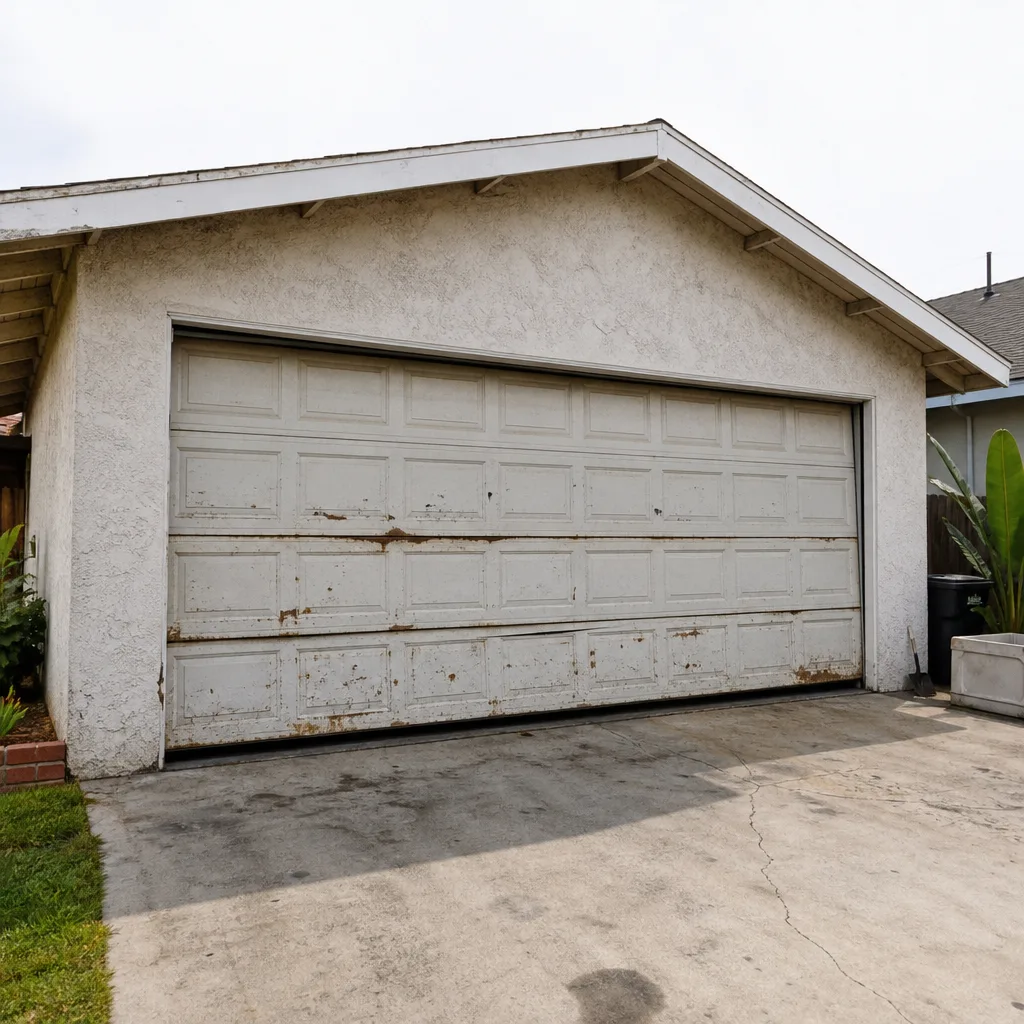 Before
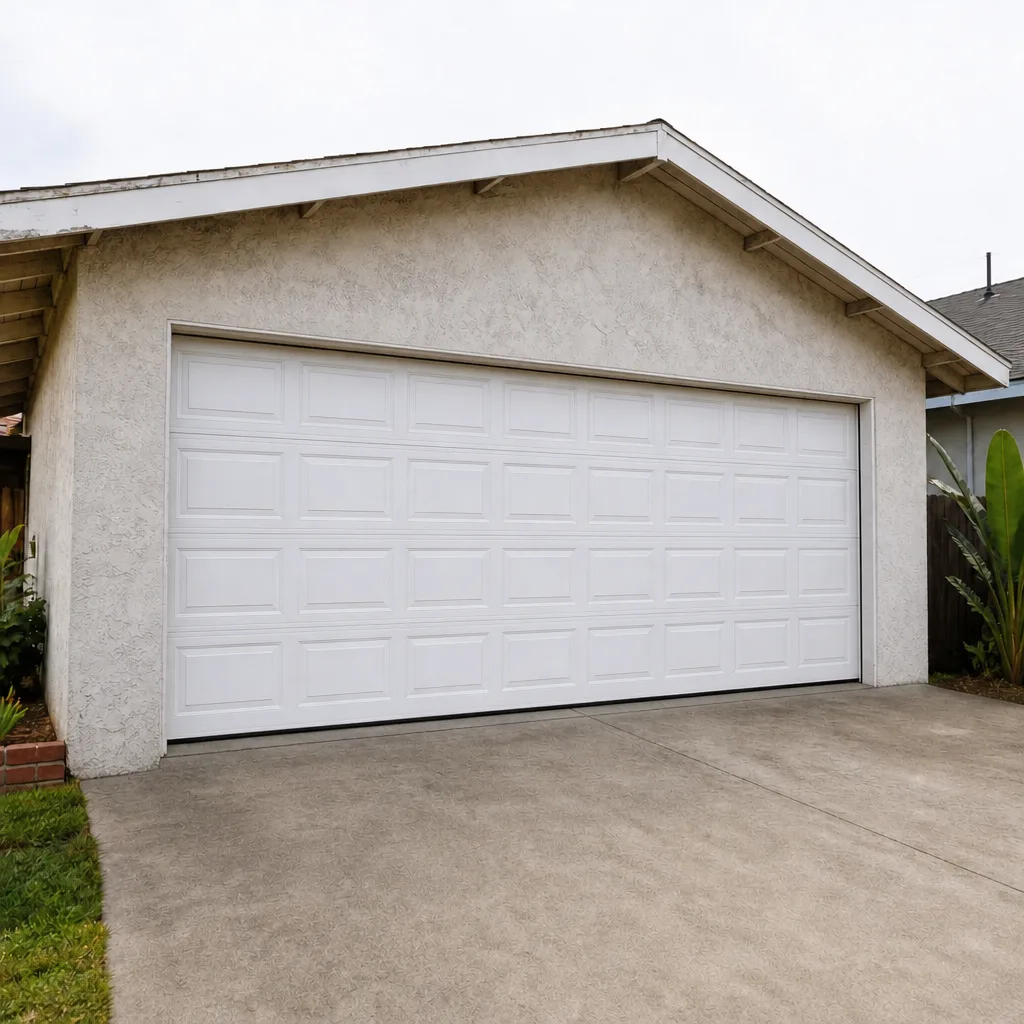 After